
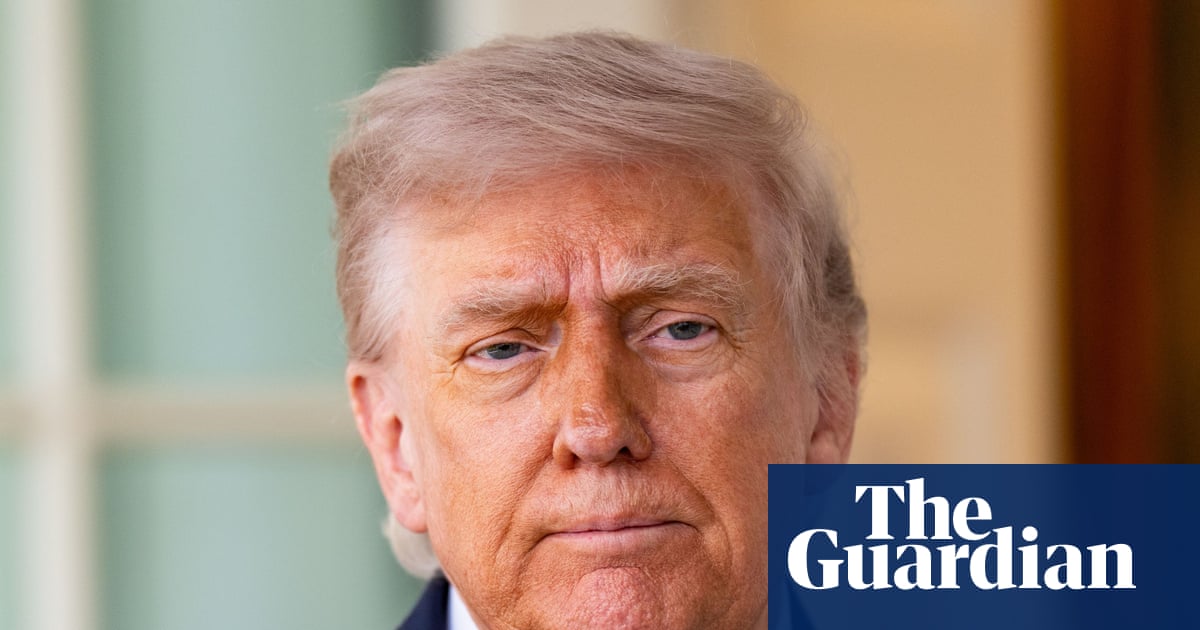
Donald Trump said US-Iranian peace talks could resume in Islamabad within the next two days, underscoring ongoing geopolitical risk ahead of a 22 April ceasefire deadline. Separately, House Democrats proposed a JD Vance-led commission to assess Trump’s fitness for office, while the Justice Department moved to vacate January 6 convictions for Proud Boys and Oath Keepers members. The article also flagged North Korea’s progress in nuclear weapons production and a report that $8bn in renewable investment could offset Cuba’s energy blockade.
The market implication is less about the headline diplomacy and more about the probability distribution of a near-term de-escalation premium being priced out too early. If negotiations restart within days, the biggest beneficiaries are not the obvious defense hedges but the high-beta assets most sensitive to shipping risk, energy volatility, and risk-off flows; the short-term squeeze would likely show up first in crude risk premium, then in regional defense suppliers only if talks visibly fail.
The more interesting second-order effect is on ICE specifically: the company is a direct mechanism for the state’s coercive immigration apparatus, so any sustained expansion of detention/transport activity can support utilization and political optionality, but it also increases headline and legal overhang. The note on ICE-related detention underscores that enforcement intensity is still a policy feature, yet the stock’s downside is tied to escalation in oversight or civil-liberties scrutiny rather than operational weakness. That creates a low-visibility asymmetry: the business can remain fine while the multiple compresses.
The contrarian read is that consensus may be overestimating the durability of any ceasefire-driven calm. These negotiations are happening under a tight clock, with multiple actors able to veto implementation; that usually compresses into a binary event where markets underprice the probability of a snapback in violence after an initial relief rally. For commodities and defense, the right frame is not directional peace vs war, but churn: every failed extension re-prices oil, air-defense, and logistics assets within 1-3 sessions.
On the domestic side, the broader pattern is institutional stress. Moves to unwind January 6 convictions and politicized rhetoric around executive fitness raise tail risk for a governance discount, which tends to benefit volatility more than any single equity. If the legal/political backdrop keeps deteriorating, expect managers to lean harder into duration-short, quality-balance-sheet names and away from politically sensitive small caps with regulatory exposure.
AI-powered research, real-time alerts, and portfolio analytics for institutional investors.
Request TrialOverall Sentiment
mildly negative
Sentiment Score
-0.15
Ticker Sentiment
