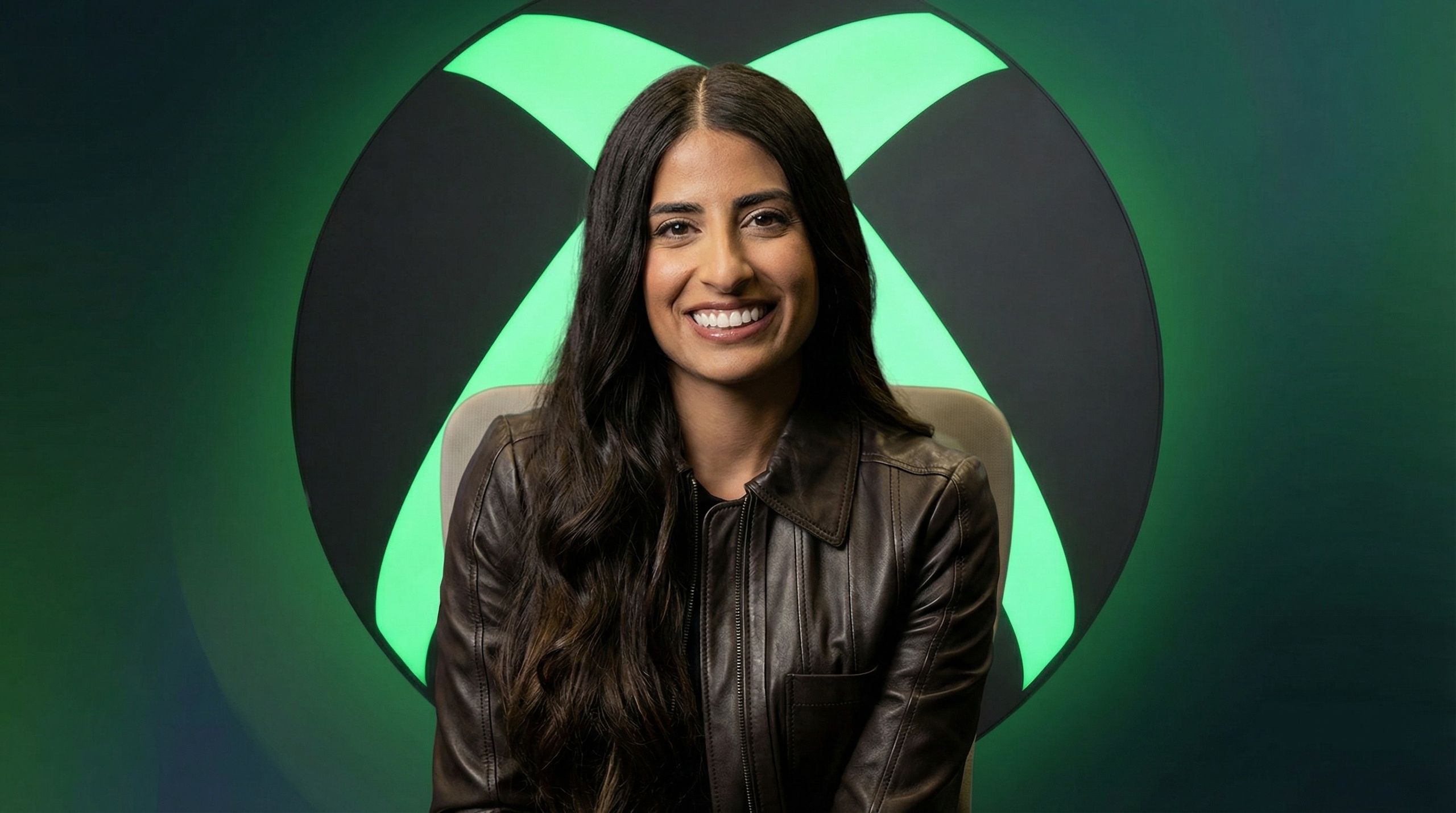
The article argues Xbox faces multiple structural challenges under new CEO Asha Sharma, including weak hardware marketing, poor PC app performance, developer tooling bottlenecks, limited international reach, and uncertain exclusive-game strategy. It also highlights reduced margin pressure from Microsoft, but warns that support quality and potential future AI demands from Microsoft could complicate the turnaround. The piece is largely opinion-driven and unlikely to move shares materially, though it underscores ongoing execution risk for Microsoft's gaming division.
The near-term beneficiary is less the console brand than the software and services layer: relaxing margin pressure gives management room to spend into friction that has been depressing conversion, retention, and developer supply. That matters because gaming ecosystems are sticky only when content acquisition, storefront performance, and support resolve into a low-friction loop; if any one of those stays broken, monetization leaks to rival platforms. The biggest second-order effect is that a more pro-consumer reset can stabilize engagement without needing immediate hardware share gains.
The hardware thesis remains structurally challenged. If the platform continues to de-emphasize exclusivity while also failing to create a distinct PC/console value proposition, the result is a slow migration of high-LTV users toward the incumbent ecosystem with the best discovery and social graph. That is negative for MSFT’s gaming optionality because the business then becomes increasingly dependent on third-party monetization and less on hardware-led ecosystem control, which lowers future bargaining power with publishers and weakens attach rates for first-party content.
There is a real AI overhang, but it cuts both ways: a credible productivity or rendering tool for developers would be margin-accretive and defensible; a consumer-facing AI gimmick would likely be ignored by the core audience and become a capital sink. The more interesting risk is internal politics—if gaming is forced to justify itself through an AI narrative, capital allocation could drift back toward headline-seeking projects before the platform fixes the mundane issues that actually move retention and spend. That makes this more of a medium-term execution story than a one-day sentiment trade.
Consensus may be overestimating how much exclusivity alone can fix, but underestimating how much the operating frictions suppress supply and discoverability. If the storefront and developer tools improve meaningfully over the next 2-4 quarters, the earnings impact can show up before any hardware rebound, especially via better take rates, lower support costs, and higher third-party participation. Conversely, if those fixes stall, the current goodwill will fade and the market will likely re-rate MSFT gaming as a low-growth adjunct rather than a strategic asset.
AI-powered research, real-time alerts, and portfolio analytics for institutional investors.
Request TrialOverall Sentiment
mildly negative
Sentiment Score
-0.15
Ticker Sentiment
