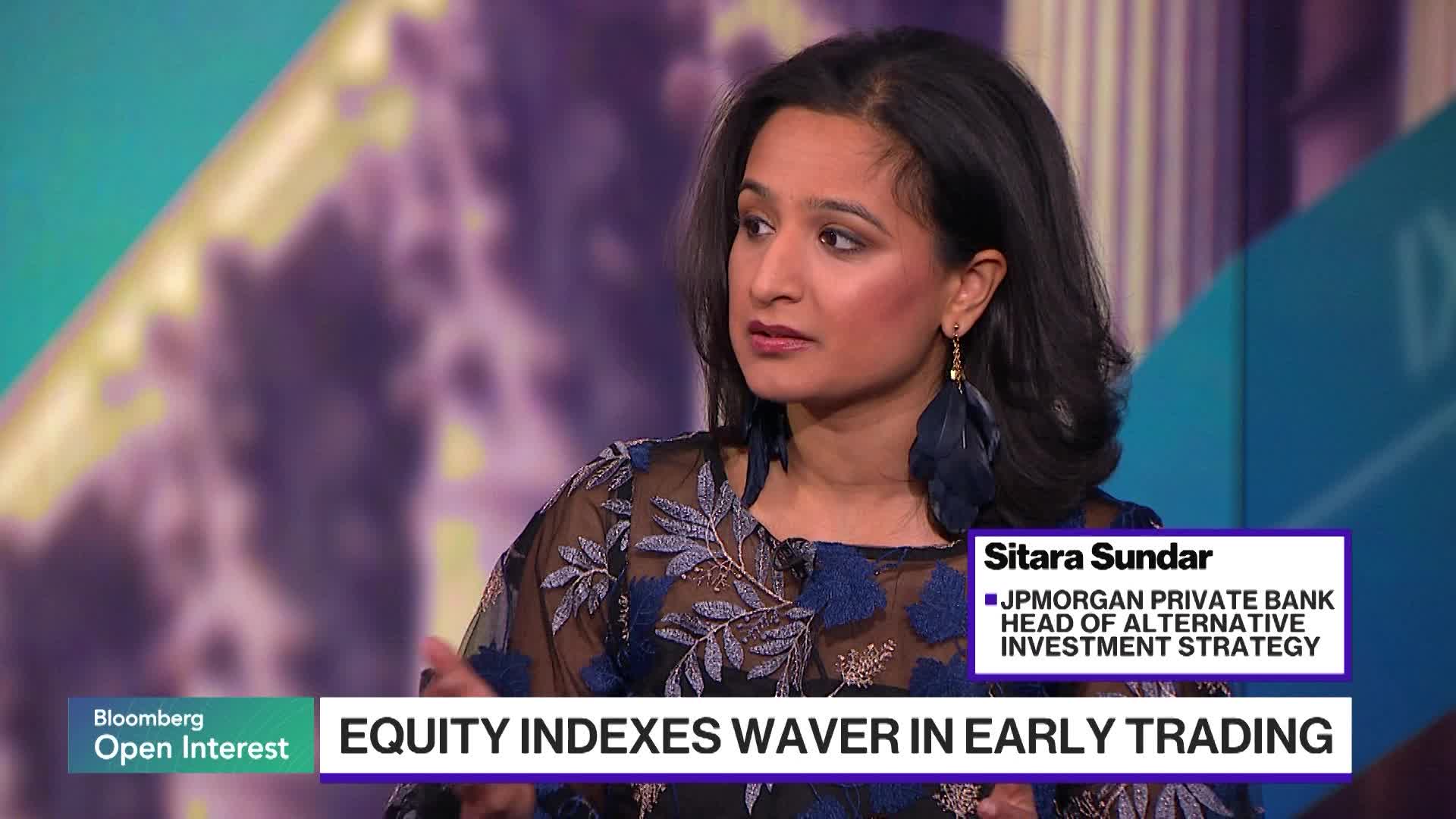
Public markets have concentrated value in AI-related infrastructure — hyperscalers, semiconductors and utility/power players — while private markets and VC are funding platform and application layers where valuations may be concentrated. Early signs show AI integration boosting revenue growth and margins for adopters, but there is localized froth (notably data-center real-estate) even as power infrastructure may face multiyear demand-driven investment needs (US power shortfall risk by 2029). Concurrently, a new macro regime with persistent inflation and higher-for-longer rates (despite ~75 bps of Fed cuts last year and a largely unchanged 10-year yield) argues for evolving portfolio construction toward alternatives, direct lending and real assets, and suggests M&A activity will be driven by secular innovation as well as easing conditions.
Market structure: Infrastructure (hyperscalers, semiconductors, power utilities) are the near-term winners — public names like AVGO and large cloud providers retain pricing power and near‑term earnings upside while application-layer VC names concentrate risk and froth. Data‑center real‑estate shows elevated valuations and short‑term margin risk; power/infrastructure looks undersupplied toward 2029 (company capex + demand could outstrip supply), implying sustained pricing for electricity and copper/natural‑gas inputs.
Risk assessment: Tail risks include a Fed surprise that re‑prices 10y >3.8% (materially compressing long‑duration tech multiples), an AI regulatory shock (privacy/competition) or a data‑center overbuild/tenant default wave. Immediate (days–weeks): dispersion around earnings and deal headlines; short‑term (3–12 months): M&A and private funding re‑allocation if rates ease; long‑term (1–5 years): structural power shortage and re-rating of infrastructure earnings. Hidden dependency: private valuations lag public marks and can cascade into credit in 6–18 months.
Trade implications: Use a barbell — maintain 12–24 month exposure to AVGO (infrastructure semi upside) and increase allocations to power/utility exposure (NEE or infrastructure funds) while trimming data‑center REITs (EQIX) and long‑duration SaaS names that don’t show AI ROI. Option strategies: cost‑efficient 12–18 month call spreads on AVGO and buy protection via TIPS or short long‑duration Treasury 2s/10s sensitivities if CPI momentum accelerates. Entry window: act within 4–8 weeks ahead of Q4 earnings and H1 2026 macro pivots; horizon 12–36 months.
Contrarian angles: Consensus underestimates sustained real asset upside from power demand — utilities may outperform even if public markets currently prize hyperscalers. Conversely, private‑market VC concentration could mean large survivorship bias: many private winners won’t IPO at current marks. Historical analogue: internet/cloud where infrastructure outperformed apps for several years; unintended consequence: a rate shock could quickly invert the froth into distressed private credit opportunities by late‑2025.
AI-powered research, real-time alerts, and portfolio analytics for institutional investors.
Request DemoOverall Sentiment
mixed
Sentiment Score
0.10
Ticker Sentiment
