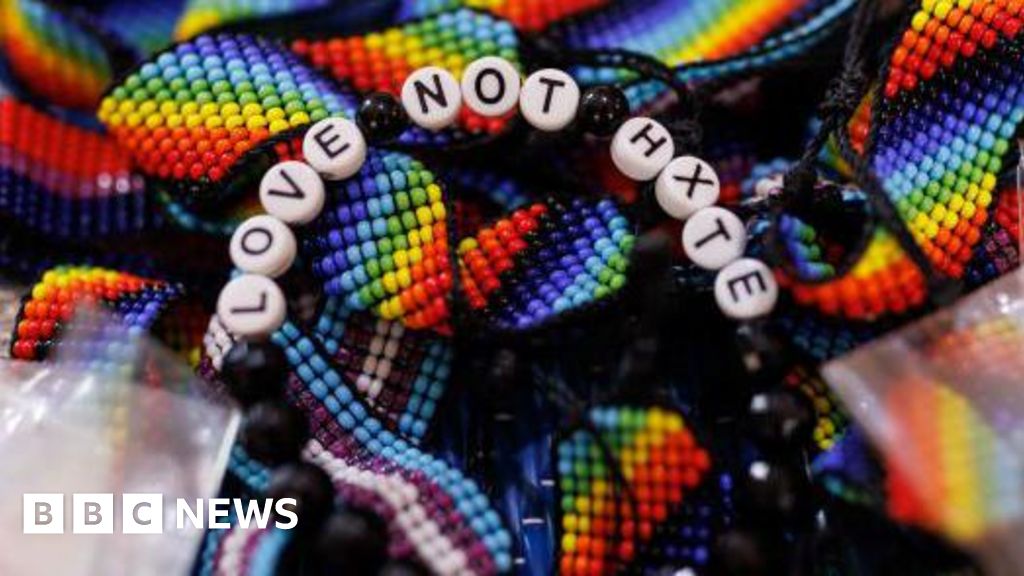
Ugandan police arrested two women (aged 21 and 22) in Arua on 18 February after neighbours reported them kissing, invoking the country’s Anti‑Homosexuality Act that carries life imprisonment for consensual same‑sex relations and the death penalty for 'aggravated' cases. The case has been referred to prosecutors, fueling international condemnation and underscoring ongoing ESG and political risks in Uganda; the piece notes prior financial fallout, including a temporary World Bank lending halt that was only restored in 2025. Investors should view this as a localized but persistent governance and reputational risk that can affect sovereign relations, donor financing and ESG‑sensitive capital flows into the country.
Market structure: The arrests and continuing enforcement of Uganda’s Anti-Homosexuality Act principally increase sovereign and country-risk premiums for Uganda while creating downside for domestic banks, telecoms and tourism operators exposed to FX funding or foreign customers. Expect a widening of Uganda USD sovereign spreads by 50–200bps in stressed scenarios and a 5–15% move lower in UGX versus USD on renewed risk-off flows; winners include short-UGX positions, USD cash and global sovereign-protection sellers. Cross-asset impact will be concentrated: local-currency bond outflows, modest upward pressure on East Africa regional CDS, and short-term safe-haven flows into USTs and EURUSD strength against frontier FX.
Risk assessment: Tail risks include re-imposition/expansion of multilateral lending freezes (World Bank/IMF conditionality) or targeted Western sanctions that could create a 1–3% of GDP annual financing shortfall (roughly $200–600m), forcing debt rollovers at much higher cost. Immediate (days) risk is a knee-jerk EM selloff; short-term (weeks–months) risk is wider sovereign spreads and FX depreciation; long-term (quarters–years) risk is structurally higher country risk, lower FDI and sustained rating pressure. Hidden dependencies: large NGOs, extractive-sector permits and tourism receipts are second-order fiscal buffers vulnerable to reputational sanctions.
Trade implications: Implement a small, hedged position: buy 6–12 month sovereign CDS protection on Uganda (target 1–2% portfolio notional) and simultaneously short UGX via 3–6 month NDFs sized to cover FX exposure, with stop-loss if UGX rallies >6%. Pair trade: short Uganda sovereign bonds (where liquid) vs long Kenyan sovereign or regional EUR-denominated safe paper (target relative spread capture of 50–150bps over 3–12 months). Tactical option: buy put spreads on frontier/EM LCY ETFs (small allocation) to cap cost and play volatility over 30–90 days.
Contrarian angles: Markets often overprice headline political risk; if multilateral lenders publicly re-engage (as World Bank partially did in 2025) flows can reverse quickly — look for CDS and UGX overshoots >150bps/10% respectively as buy-entry signals. Historical parallels: targeted political sanctions episodes (e.g., Zimbabwe/Belarus) saw deep short-term drawdowns but selective asset recoveries; focus on idiosyncratic corporate credits with hard-currency revenues (telecoms with cross-border cash flows) for opportunistic long exposure once volatility subsides. Monitor donor statements and multilateral loan pipelines over 14–60 days; a restoration signal should trigger cover of protection and partial reestablishment of long positions.
AI-powered research, real-time alerts, and portfolio analytics for institutional investors.
Request DemoOverall Sentiment
moderately negative
Sentiment Score
-0.35
