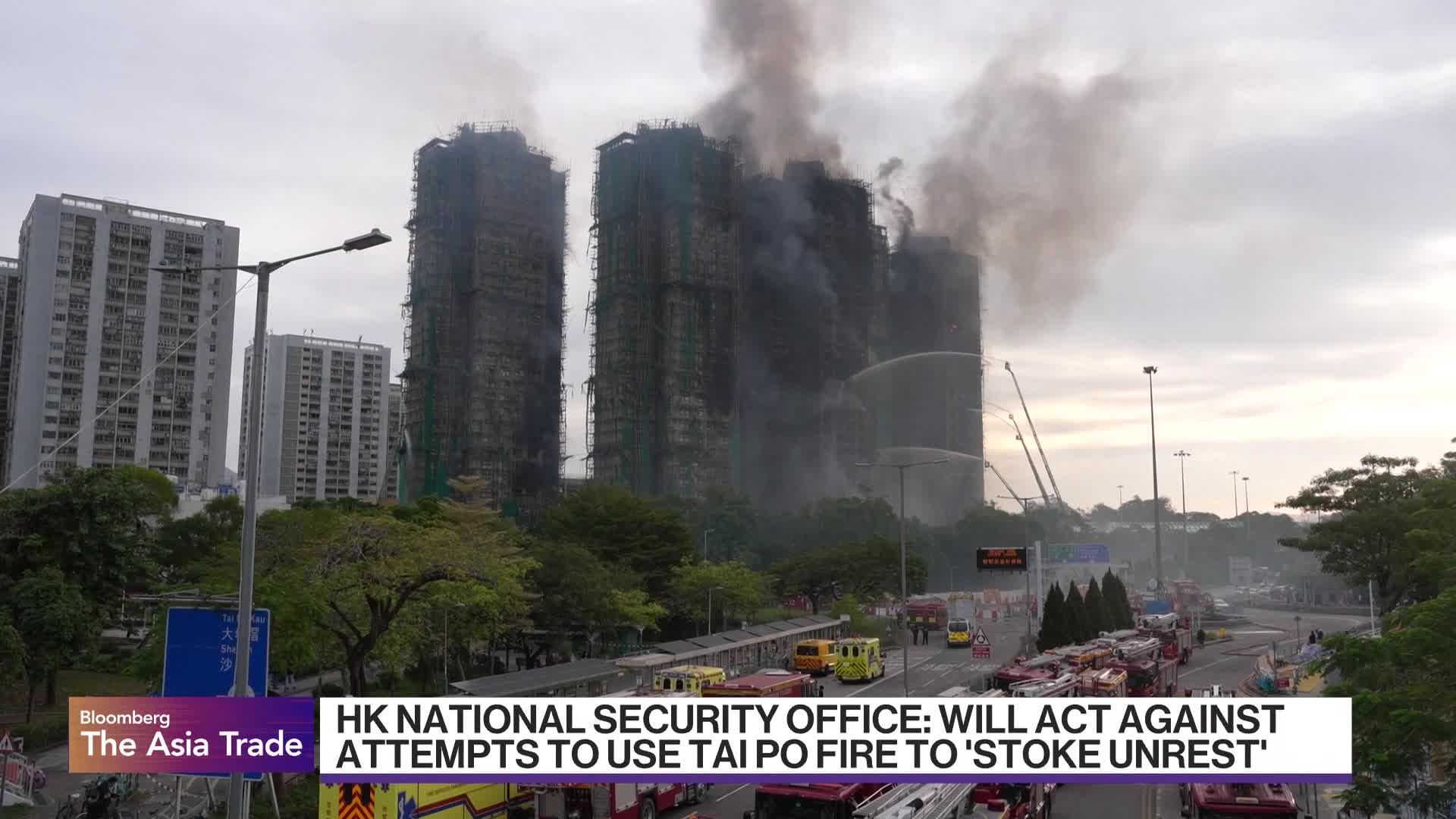
Hong Kong authorities are investigating the city’s deadliest fire in nearly a decade after public anger surged; preliminary tests cleared the green mesh as fire‑compliant but pointed to highly flammable styrofoam window boards as the ignition/spread vector. Officials set up an interagency task force to probe cause and rapid spread — including possible smoking — and defended operational choices such as not using helicopters due to downdraft risks. The episode elevates political and regulatory risk around building safety standards and enforcement, with potential implications for housing policy, liability exposure, and local investor sentiment.
Market structure: The immediate winners are firms that supply fire‑safety gear, façade remediation and retrofit contractors; losers are owners/operators of older walk‑up stock and retail‑heavy landlords (Link REIT/0823.HK, street‑level retail names). Expect a short‑term pricing reset: building inspection/compliance capex will lift service providers’ pricing power for 3–12 months while compressing net yields for landlords by an estimated 50–150bp in the near term.
Risk assessment: Tail risks include mass litigation or a sweeping retrofit mandate (0.5–2% of HK property values annually) and politically driven rent controls or tenant protections; these could widen developers’ credit spreads by 25–200bp. Immediate window: 0–30 days for inspection directives; short term 1–3 months for compliance orders; long term 6–24 months for capex and insurance repricing outcomes.
Trade implications: Use index/REIT hedges and selectively rotate into construction/retrofit exposure. Expect triggers — government task‑force findings and regulatory announcements — inside 7–30 days: these will be primary volatility catalysts for HSI, REITs and insurers. Options implied vol may spike 15–40% around announcements.
Contrarian angle: The market may over‑punish high‑quality diversified caps (e.g., Sun Hung Kai/0016.HK, HSBC/0005.HK) that can absorb retrofit costs; history shows headline disasters often cause a 3–6 month overshoot and recovery thereafter, creating selective BUY windows once discounts exceed 8–12%.
AI-powered research, real-time alerts, and portfolio analytics for institutional investors.
Overall Sentiment
moderately negative
Sentiment Score
-0.45
