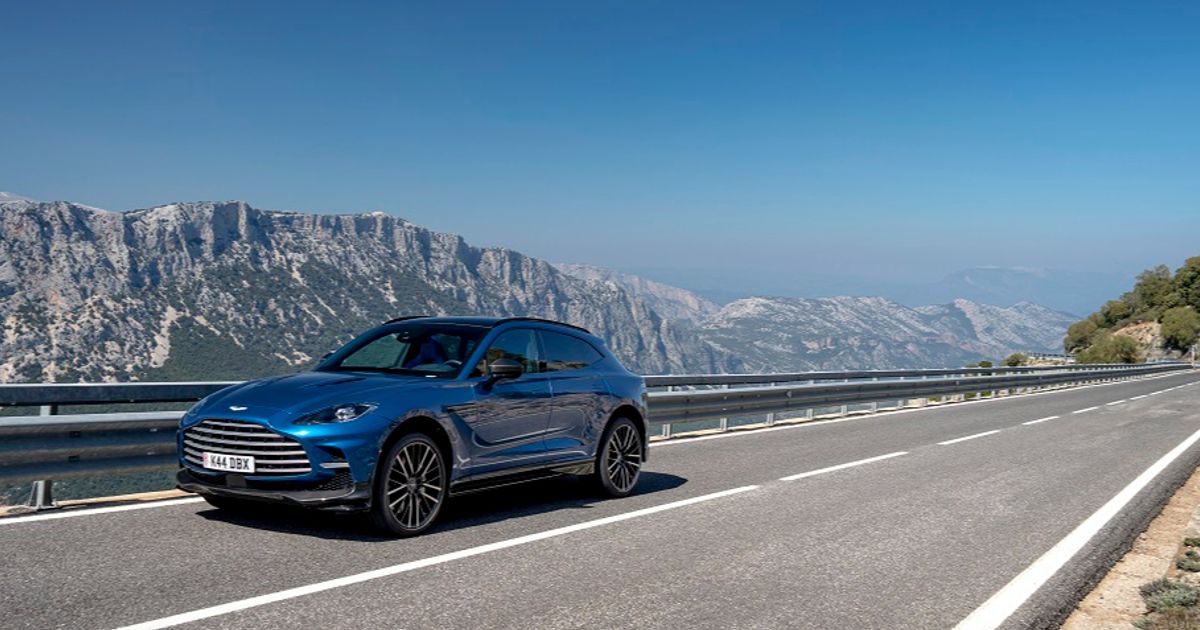
Aston Martin Lagonda's shares fell 2.4% after the luxury carmaker reported a wider first-half operating loss of £134.7 million and a 25% revenue drop to £454.4 million, attributed to reduced high-margin Specials deliveries and US tariffs, with net debt rising to £1.38 billion. Despite these weak results, Aston Martin's performance demonstrated relative resilience compared to Mercedes-Benz and Porsche, both issuing profit warnings due to wider luxury sector headwinds. CEO Adrian Hallmark projects a stronger second half, bolstered by new model launches and ongoing transformation efforts.
Aston Martin Lagonda (AML) reported a challenging first half, with revenue declining 25% to £454.4 million and the operating loss widening to £134.7 million from £106.1 million a year prior, contributing to a 2.4% drop in its share price. The weaker performance was attributed to a planned reduction in the delivery of high-margin Specials models and disruptions from new US tariffs, which saw wholesale volumes fall 4%. Despite these headline weaknesses and a rise in net debt to £1.38 billion, there are signals of underlying operational strength. The average selling price increased by 7% to £192,000, indicating robust pricing power and demand for new personalized models. Furthermore, CEO Adrian Hallmark highlighted that retail sales outpaced wholesale deliveries by over 40%, suggesting a healthy reduction in channel inventory and strong end-consumer demand. This performance is framed as resilient when compared to peers like Mercedes-Benz and Porsche, both of which have issued profit warnings amid broader sector headwinds from tariffs and falling demand in China. Management's guidance points to an improved second half, contingent on new model launches and the effects of an ongoing transformation program.
AI-powered research, real-time alerts, and portfolio analytics for institutional investors.
Overall Sentiment
moderately negative
Sentiment Score
-0.55
Ticker Sentiment
