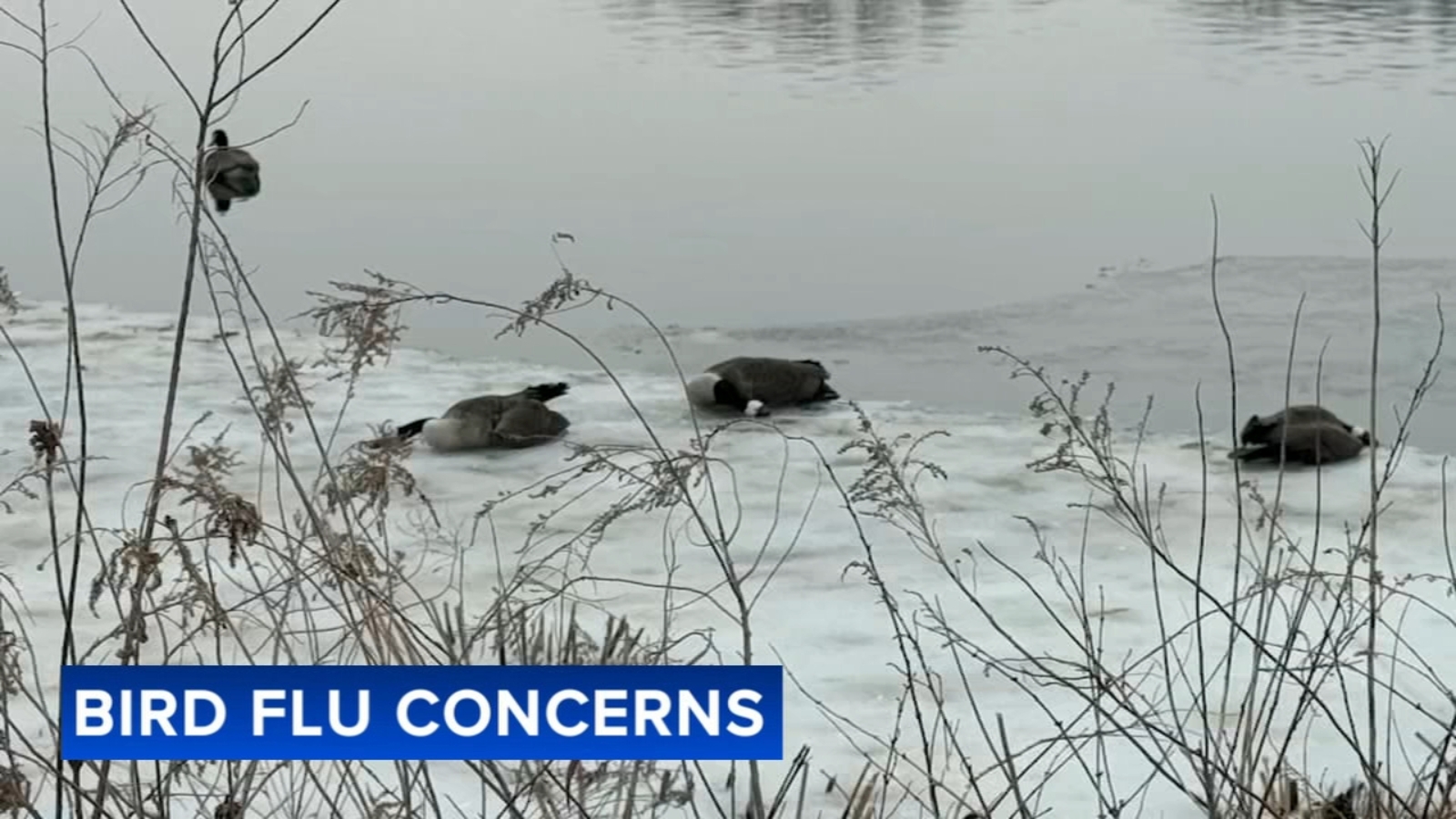
A suspected bird flu outbreak in South Jersey has left residents of Hainesport and neighboring communities confronting large numbers of dead and dying geese and ducks, with more than 1,100 dead or sick birds reported to the New Jersey Department of Environmental Protection between Saturday and Monday. State agencies have declined to assist with cleanup due to the statewide volume, leaving homeowners and HOAs to follow DEP disposal guidance; local parks have been closed and there is a localized public-health and operational burden, though officials say risk to the public remains low and broader market impact is minimal.
Market structure: winners are animal-health & diagnostic leaders (IDXX, ZTS) and local biohazard/waste contractors (WM/RSG) as demand for testing, PPE and disposal rises; losers are regional municipalities and poultry processors if the outbreak breaches commercial flocks. Pricing power for diagnostics can move +10-25% regionally in 3–6 months on order waves; processors face margin pressure from culling and biosecurity capex if confirmed commercial cases appear.
Risk assessment: low-probability/high-impact tails include human-transmissible mutation or confirmed infections in commercial poultry leading to a 5–15% shock to poultry supply and volatility across food stocks. Timeline: immediate (days) = localized municipal cost and sentiment hits, short-term (weeks–months) = diagnostic revenue spikes and options volatility, long-term (quarters) = potential capex and regulatory tightening for integrators. Key hidden dependency: wild-to-domestic transmission vectors (shared water, vectors) — watch APHIS confirmations as the primary catalyst.
Trade implications: establish modest longs in diagnostics/animal health within 7–21 days to capture testing/vaccine demand; hedge poultry processors with small-duration put spreads sized to 0.5–1% of portfolio and scale only if USDA confirms >3 commercial premises in 60 days. Rotate 1–2% from discretionary into healthcare/animal-health, and consider tactical long exposure to municipal waste contractors for 30–90 day cleanup contract windows.
Contrarian angles: consensus may overstate systemic risk from a localized wild-bird event; 2015 U.S. avian outbreaks were severe locally but centrally contained, and government indemnities often blunt long-term downside for large processors. Risk of being short processors is skewed: culling can raise wholesale prices (benefiting survivors), so size shorts conservatively and prefer options hedges over naked exposure.
AI-powered research, real-time alerts, and portfolio analytics for institutional investors.
Request DemoOverall Sentiment
moderately negative
Sentiment Score
-0.35
