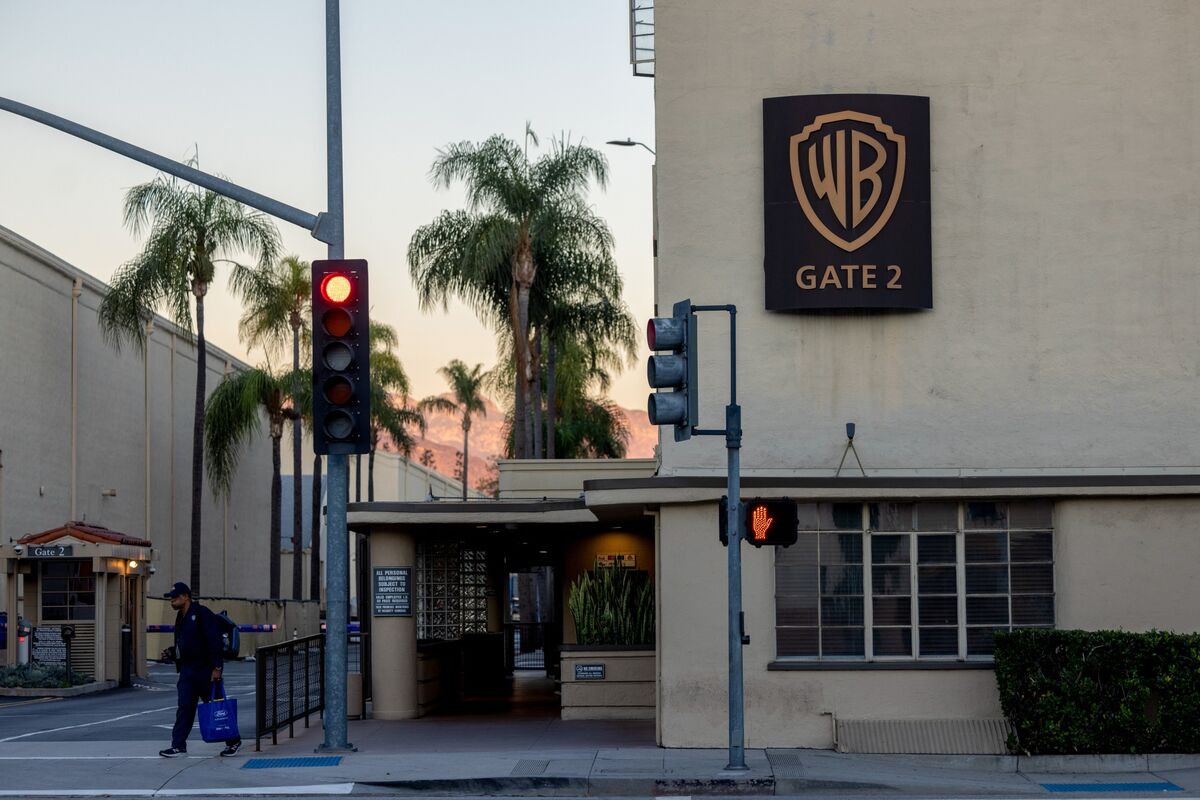
Paramount Skydance Corp. has increased the proposed breakup fee in its bid for Warner Bros. Discovery Inc. to $5.0 billion, up from an earlier $2.1 billion, payable to Warner Bros. if a signed deal is not consummated. The larger fee is part of a sweetened offer intended to outshine rival bids and is being interpreted as a sign Paramount is confident the transaction could clear regulators, a material detail for shareholders and deal dynamics.
Market structure: Paramount’s $5B breakup fee materially raises the economic seriousness of its bid and increases implied deal probability versus rival offers; that should compress WBD’s merger-arb spread and re-rate WBD toward bid levels over the next 1–6 months if the market prices >60% close probability. Direct winners: standby arbitrageurs, WBD equity holders if deal closes, scale players with content libraries; losers: acquirer equity (PARA) and creditors if financing is equity-dilutive. Expect modest pricing power shift in content licensing as scale rationalizes costs, but consumer pricing and ad markets remain competitive.
Risk assessment: Tail risks include a DOJ/FTC block (probability non-trivial — 20–40% given vertical/conglomerate scrutiny) that could erase 20–40% of deal premium within days; financing failure is a smaller tail given large breakup fee. Near term (days–weeks) expect elevated equity and options volatility; medium term (3–9 months) regulatory reviews and litigation are key; long term (1–3 years) integration execution and debt load drive credit outcomes. Hidden dependencies: financing structure, divestiture demands, and bond covenants could force asset sales or equity raises.
Trade implications: Event-driven arb (long WBD target shares sized 2–3% portfolio while hedging with 25% notional of Jan-2026 30% OTM puts) captures upside if deal closes in 6–12 months and limits regulatory tail. Pair trade: long WBD / short PARA (PARA) 1–2% to isolate spread compression versus acquirer dilution risk. Use short-dated (30–90 day) straddles only around key regulatory filings; avoid funding long-dated naked calls without hedges.
Contrarian angles: Consensus may underprice regulatory blockage and overestimate integration synergies; if market assumes >80% close probability, downside is large and rapid. Historical parallels: AT&T/Time Warner showed regulatory delay risk that compressed arbitrage returns for >12 months; a blocked deal would create buying opportunities in WBD bonds and equity at 20–40% discounts. Unintended consequence: a high breakup fee signals confidence but also raises stakes for acquirer to pursue aggressive regulatory/legal strategies that could prolong uncertainty and vol for >9 months.
AI-powered research, real-time alerts, and portfolio analytics for institutional investors.
Request DemoOverall Sentiment
mildly positive
Sentiment Score
0.25
Ticker Sentiment
