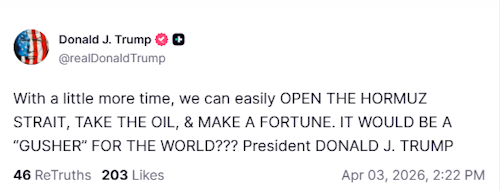
Key event: Iran's effective restriction of transit through the Strait of Hormuz is threatening global oil flows and prompted a UN Security Council vote on authorising 'defensive' force; the White House has requested a $1.5 trillion defense budget amid the escalation. Recent incidents include Israeli claims of ~70% destruction of Iran's steel production capacity, drone attacks igniting fires at Kuwait's Mina Al‑Ahmadi refinery, at least 12 people injured in Abu Dhabi from intercepted attack debris, and WHO confirmation that 20 health facilities were targeted. These developments materially increase oil‑supply and shipping disruption risk, elevate geopolitical uncertainty, and support a risk‑off stance for exposures to energy, shipping, and Gulf‑linked assets.
Market impact will be driven less by headline escalation and more by chokepoint economics: sustained disruption to the Strait of Hormuz or repeated localized strikes raises marginal shipping costs by rerouting, insurance, and speed/idle penalties — an incremental $2–6/bbl equivalent risk premium for crude for each week of partial closure. Energy exporters with flexible LNG cargoes can reprice into the tightest markets; exporters with fixed contracts or congested regas capacity cannot, creating asymmetric cashflow gains across the sector over 1–6 months.
Defense and strategic logistics are near-term winners because very little of the sector’s revenue is elastic to spot oil moves; multiyear procurement cycles and immediate demand for air-defence, surveillance and shipborne munitions can accelerate bookings within 3–12 months. Conversely, travel, leisure and just-in-time importers are the first-order losers: elevated freight days and war-risk premiums compress margins and raise inventory costs, disproportionately hitting high-turn consumer goods players in Q2–Q3.
Tail risk is a rapid diplomatic de-escalation driven by a Security Council or regional quid-pro-quo — that would unclench premiums and punish convex shorts in energy and defense. Absent that, expect a protracted period of elevated freight and insurance pricing that normalizes over quarters rather than days; position sizing should favor liquid plays where optionality can be sold after realized volatility spikes decline.
AI-powered research, real-time alerts, and portfolio analytics for institutional investors.
Request DemoOverall Sentiment
strongly negative
Sentiment Score
-0.80
