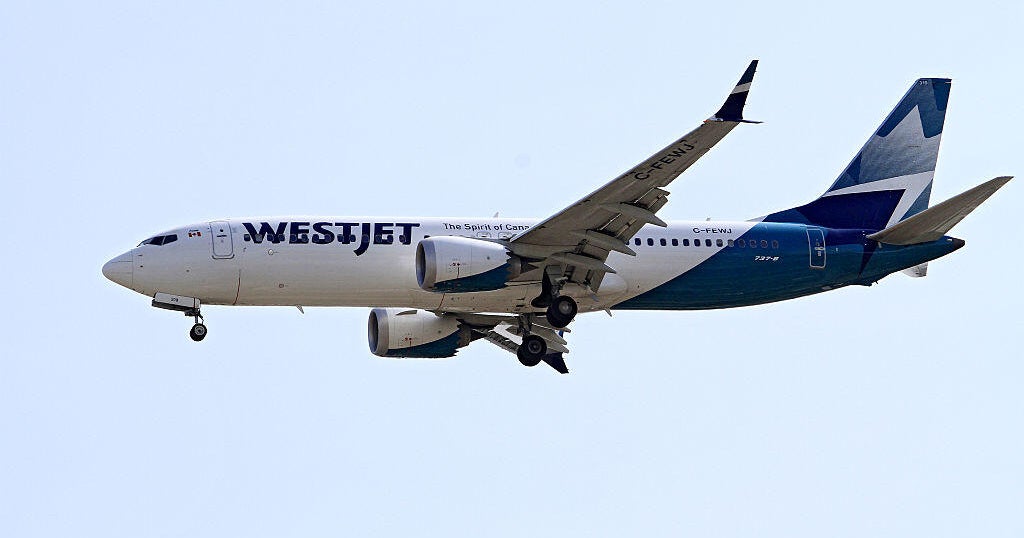
WestJet has reversed a recent aircraft reconfiguration program after passenger backlash, removing an extra row that had been added to nearly two dozen aircraft since last October and restoring prior economy seat pitch (the densified planes will be reduced from 180 to 174 seats). The change follows viral social-media criticism and regulatory/safety concerns about reduced row spacing (about two inches less pitch), and reflects a reputational trade-off for the carrier that had sought lower fares via higher density seating. The decision implies a modest capacity reduction (~3.3% per impacted aircraft) and potential short-term operational costs to undo the reconfiguration, though WestJet has given no timeline for completion.
Market structure: The reversal benefits carriers that trade on comfort/brand (Delta DAL, Southwest LUV, United UAL, Air Canada AC.TO) and travel ETFs (JETS) while imposing incremental headwinds on ultra‑low‑cost carriers (Spirit SAVE, Frontier ULCC) whose unit economics rely on maximum densification. The net capacity impact is trivial short‑term (WestJet removed 6 seats/aircraft x ~24 aircraft = ~144 seats), but the reputational signal raises price elasticity for the lowest fare segment and supports modest yield resilience (estimate +1–3%) if other carriers follow suit within 1–6 months.
Risk assessment: Tail risks include regulatory action mandating minimum seat pitch or civil liability from egress issues, which would disproportionately hit ULCC balance sheets; probability low but impact high within 6–24 months. Immediate (days) risk is PR-driven share volatility; short term (weeks–months) watch capacity guidance and booking curves; long term (quarters–years) the business model of densification may require higher ancillary fees or a pivot to fare increases. Hidden dependencies: ancillary revenue cushions (bag fees, seat fees) and fuel cost swings can mask seat‑density effects on unit revenue.
Trade implications: Favor long exposure to diversified carriers and travel ETF JETS versus short exposure to SAVE/ULCC equities for 3–6 month horizons; expect a volatility pick‑up in SAVE/ULCC options over next 30–90 days. Use limited‑risk option structures (put spreads) to express downside on ULCCs and call purchases or covered calls on legacy carriers to capture yield recovery. Entry window: act within 30 days on sentiment, reassess at next quarterly guidance (60–90 days).
Contrarian angles: Consensus treats this as PR noise; missing is the regulatory knock‑on that could impose incremental per‑seat costs ($100s–$1,000s per aircraft retrofits) and structurally raise fares—this would help legacy carriers and hurt ULCC valuations. Conversely, if ULCCs offset by raising ancillary fees, the market could be underpricing upside for SAVE/ULCC if bookings remain inelastic; watch booking conversion rates and ancillaries for 2–3 monthly reporting cycles.
AI-powered research, real-time alerts, and portfolio analytics for institutional investors.
Request DemoOverall Sentiment
mildly negative
Sentiment Score
-0.25
