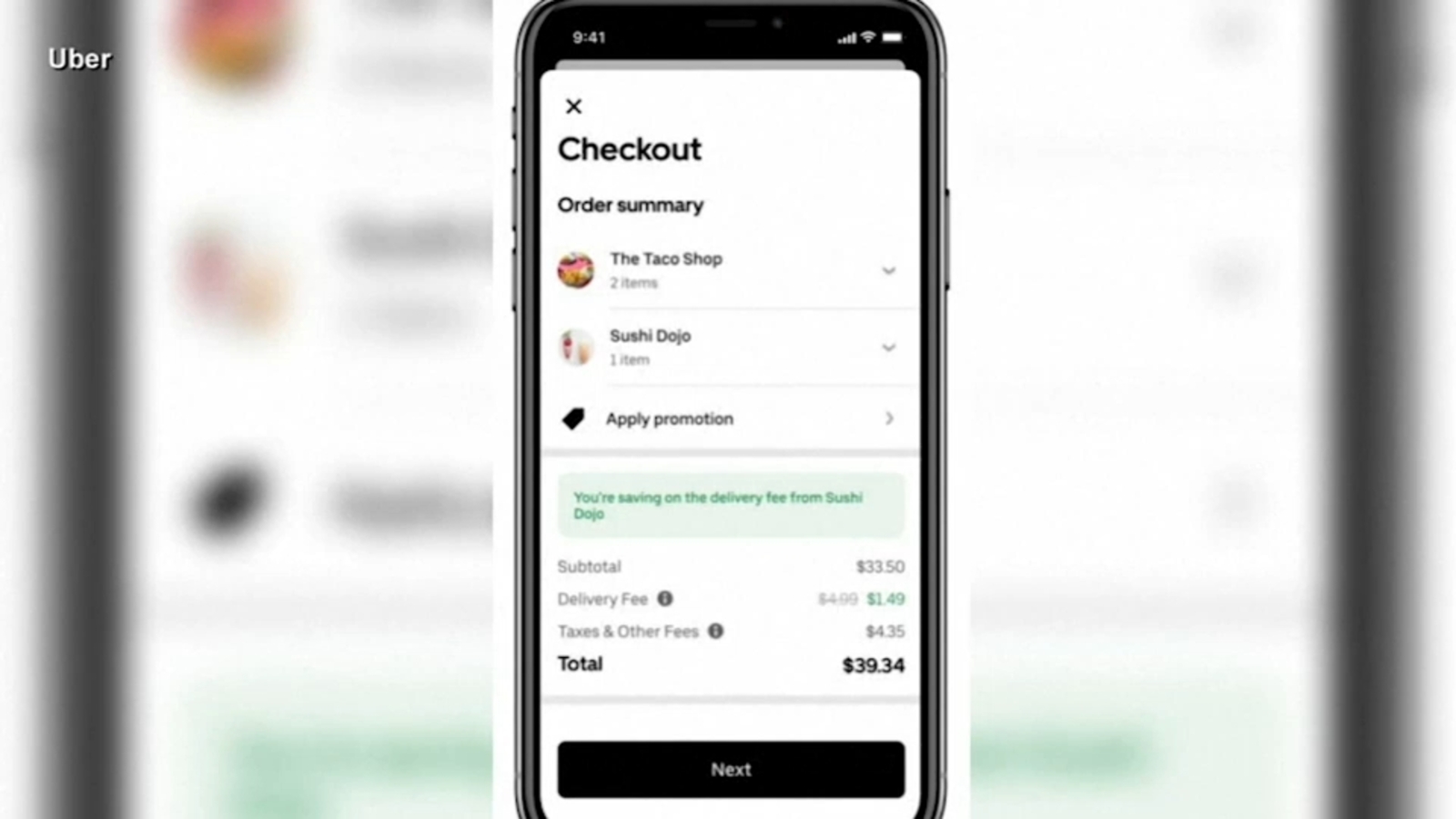
A federal judge denied Uber Eats' and DoorDash's bid to block New York City's new tipping law, which requires platforms to offer customers the option to tip delivery workers up front when ordering rather than after confirmation. The city's Department of Consumer and Worker Protection says the prior tipping design reduced worker compensation by over $550 million after platforms altered tips following an increase in the city's minimum delivery-worker hourly rate. The ruling increases operational and labor-cost uncertainty for delivery platforms in a major market and could pressure margins or prompt further changes to pricing and service models.
Market structure: The NYC rule forces upfront tipping, restoring transparency and likely raising realized pay to couriers (the city cites >$550M in lost tips). Immediate winners: delivery workers and consumer-facing cash-convenience businesses that highlight paid-upfront service; losers: platforms (DASH, UBER) facing higher apparent labor costs and potential order friction. Expect limited pricing power for platforms in NYC — margins will compress unless platforms raise merchant fees or delivery prices by a few percentage points (estimated 2–6%) or absorb costs.
Risk assessment: Tail risks include a sustained drop in order frequency in NYC (stress test: -5% to -15% orders → meaningful GOV decline) and rapid regulatory contagion to other major cities within 12–24 months. Short-term (days–weeks) volatility will come from litigation updates and user behavior; medium-term (3–9 months) impact from Qs that include NYC data; long-term (12–36 months) structural margin re-pricing if platforms can't monetize higher labor costs. Hidden dependencies: merchant willingness to accept higher commissions and consumer price elasticity in urban cores.
Trade implications: Directly negative for DASH equity — expect downside concentration in near-term guidance revisions out of DoorDash/UBER; consider a tactical short or put spread sized to 1–3% of book with clear stop-loss. Pair trades: short DASH vs long UBER (hedge size ~50–70% of notional) to isolate DoorDash exposure if UBER has more diversified revenue. Options: buy 3-month bearish put spread on DASH (e.g., 10–20% OTM) to cap premium spend while capturing downside if order volumes fall >5% in NYC.
Contrarian angles: Consensus focuses on margin hit, under-appreciated upside is improved worker retention and reduced churn that could lower per-order operational variability and long-term supply tightness — this could stabilize delivery times and reduce marketing spend in 12–24 months. Reaction may be overdone in short window if platforms offset via minor fee increases (<5%) or if consumer tip rates only partially revert; historical parallels: localized labor mandates (minimum wage, paid sick leave) often cause initial share-price drops that partially recover once pricing actions are implemented.
AI-powered research, real-time alerts, and portfolio analytics for institutional investors.
Request DemoOverall Sentiment
moderately negative
Sentiment Score
-0.40
Ticker Sentiment
