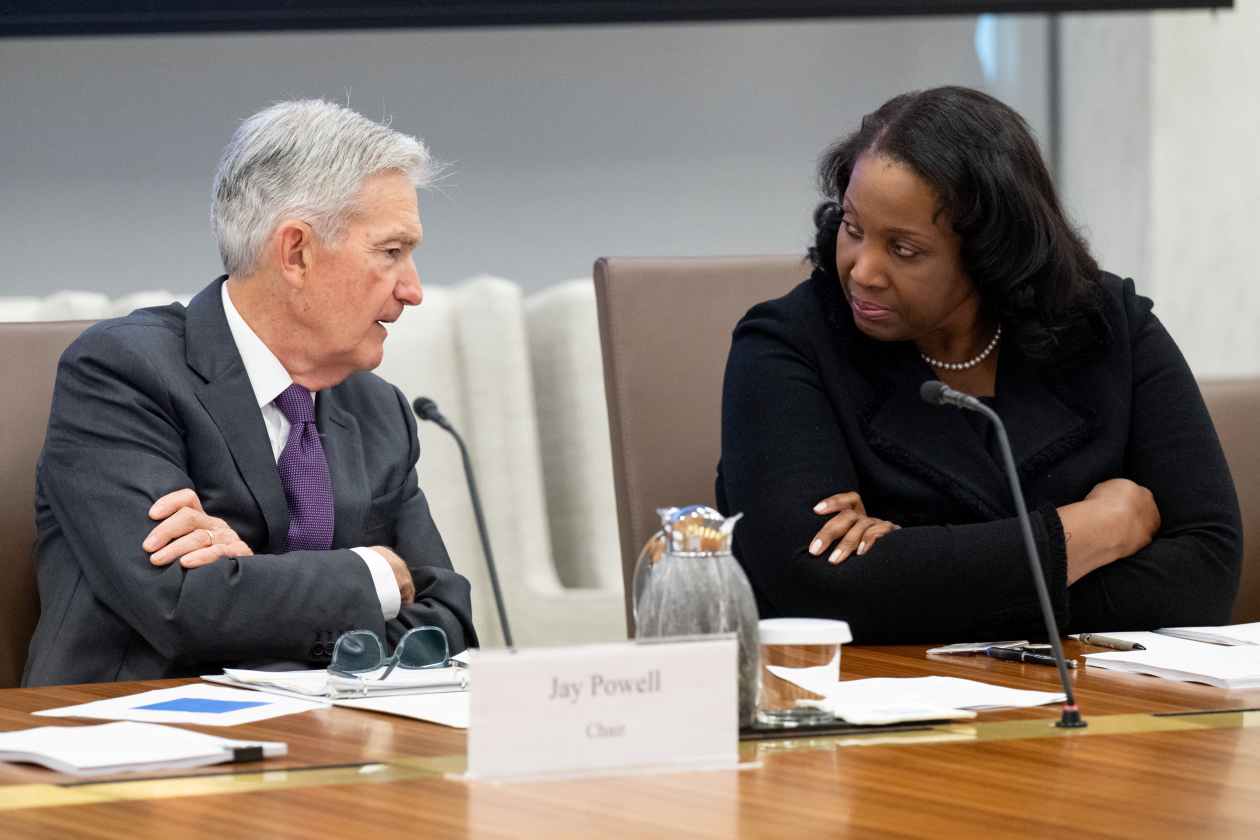
The Supreme Court has temporarily halted former President Trump's effort to remove Federal Reserve Governor Lisa Cook, scheduling oral arguments for January 2026. This decision defers a critical challenge to the Fed's independence, a principle supported by former central bank leaders who warn that allowing presidential removal for cause would severely compromise monetary policy stability, despite previous court rulings generally favoring presidential authority over other agency heads.
The Supreme Court's decision to schedule oral arguments for January 2026 regarding the removal of Federal Reserve Governor Lisa Cook introduces a prolonged period of significant uncertainty for U.S. monetary policy. This case represents a direct challenge to the central bank's independence, a foundational principle allowing it to make politically difficult decisions, such as raising interest rates to combat inflation. The high market impact score of 0.8 reflects the gravity of this situation. While lower courts have supported Cook, the Supreme Court has previously allowed the firing of other federal agency leaders, though it has also noted the Fed's unique quasi-private structure. The legal battle, centered on allegations of pre-Fed conduct, could cast a shadow over future policy decisions, especially given Governor Cook's recent vote for a quarter-point interest rate cut. The involvement of former Fed chairs warning of a "death knell for the central-bank independence" highlights the systemic risk perceived by the financial establishment, elevating this from a personnel dispute to a critical test of institutional integrity.
AI-powered research, real-time alerts, and portfolio analytics for institutional investors.
Request DemoOverall Sentiment
moderately negative
Sentiment Score
-0.50
