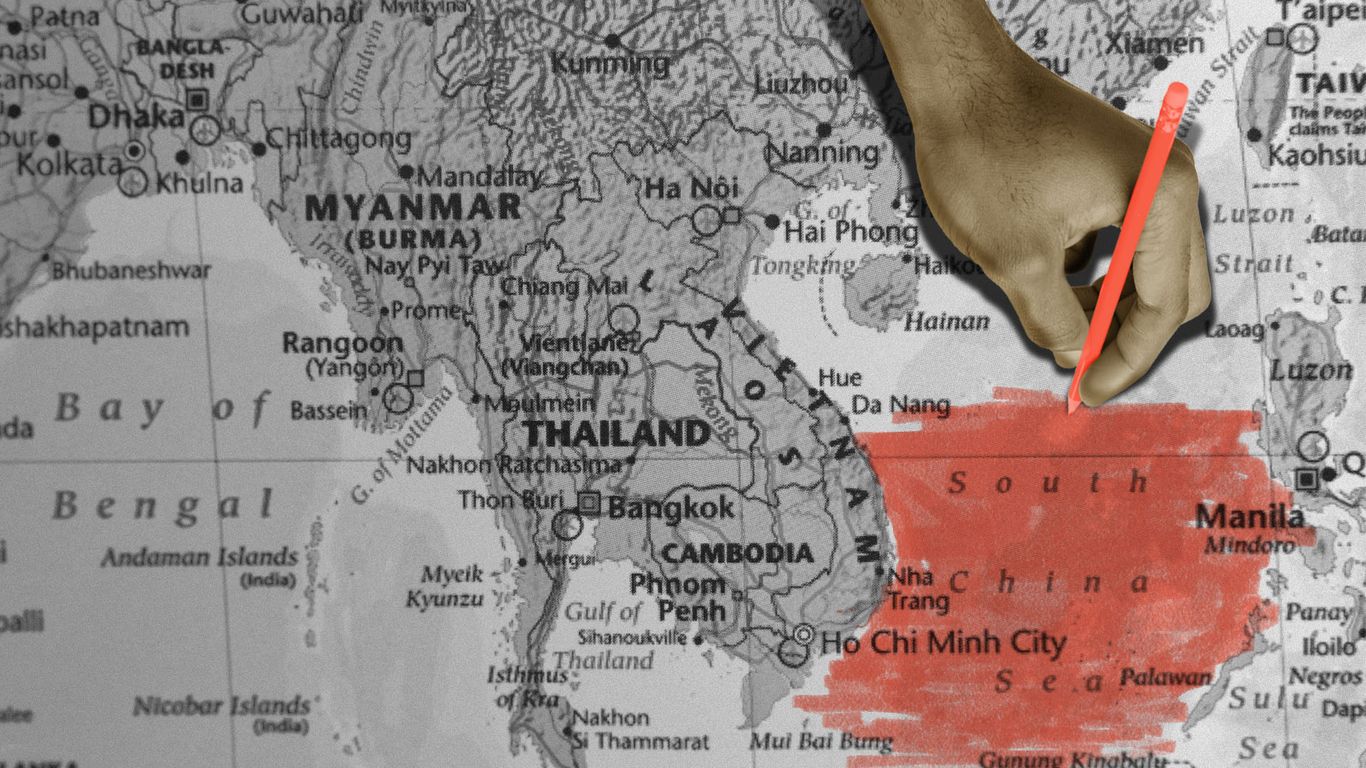
Recent incidents in the South China Sea, including mid-August collisions involving Chinese vessels harassing Philippine boats and disputed encounters with U.S. warships, underscore escalating geopolitical tensions in the Indo-Pacific. These events highlight Beijing's aggressive naval expansion and land reclamation efforts, with 3,200 acres added to the Spratlys for military fortification. In response, the U.S. is intensifying its strategic focus on the region, strengthening military cooperation with the Philippines through increased exercises and defense investments, indicating a growing commitment to counter China's assertiveness and manage regional instability.
Escalating geopolitical friction in the South China Sea, underscored by a mid-August incident involving Chinese vessels and a high market impact score of 0.7, signals a material increase in regional instability. China's assertive strategy is evidenced by both direct naval harassment and significant military buildup, including the addition of 3,200 acres of fortified land in the Spratly Islands complete with hangars, radars, and missile shelters. In response, the United States is deepening its strategic commitment to the Indo-Pacific, notably by strengthening its alliance with the Philippines. This is demonstrated through tangible actions such as the 14,000-troop Balikatan military exercises, increased investment in Enhanced Defense Cooperation Agreement sites, and legislative proposals like the Harpoon Act aimed at expanding joint patrols. This 'step change' in U.S. presence suggests a hardening of its mutual-defense posture, creating a tense standoff with multifaceted drivers, including competition for natural resources and strategic military positioning.
AI-powered research, real-time alerts, and portfolio analytics for institutional investors.
Request DemoOverall Sentiment
strongly negative
Sentiment Score
-0.60
