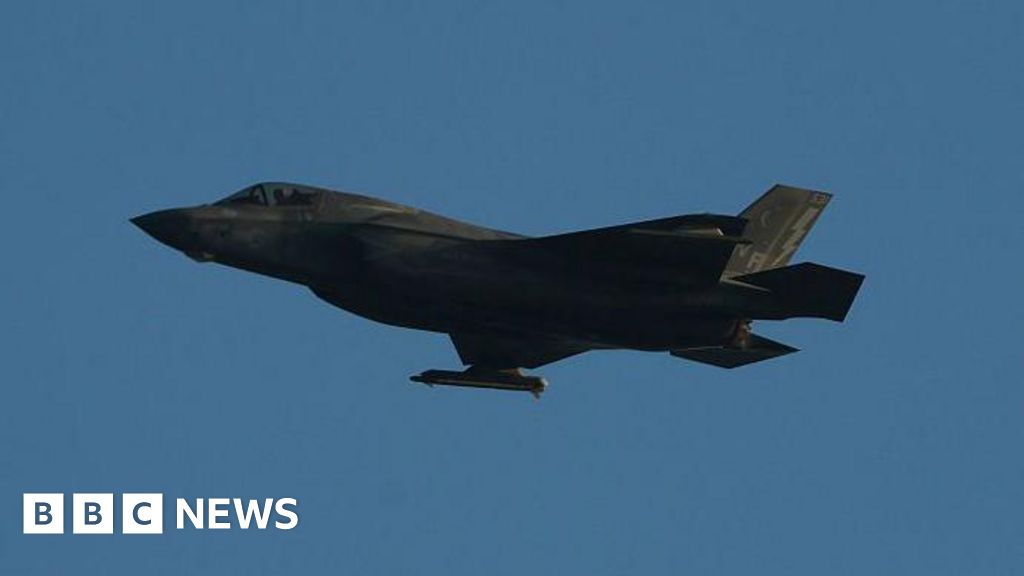
The US launched additional self-defense strikes on Iran at 17:15 ET after President Trump vowed to hit the country "hard" again, escalating an already active exchange of fire. Iran responded with strikes on US bases in the region, while explosions were reported in Qeshm, Bandar Abbas, and Sirik. The stalled diplomacy and renewed airstrikes point to a sharp rise in regional geopolitical risk with potential market-wide implications.
This is a classic escalation regime where the first-order move is obvious—risk-off, higher energy, stronger defense bids—but the second-order effect is tighter global logistics and a higher probability of policy error. The market should care less about the headline strike count than about whether Iran responds asymmetrically against Gulf infrastructure, shipping lanes, or cyber targets; those are the channels that can turn a contained exchange into a multi-week volatility event. In that setting, the biggest winners are not only defense primes but also insurance/reinsurance, security software, and select U.S. midstream assets with limited direct Gulf exposure. The key near-term catalyst is not diplomacy, but the time it takes for physical supply disruptions to show up in freight, tanker rates, and refinery runs. Energy and transport equities may diverge: upstream producers benefit quickly from higher crude, while airlines, refiners, and consumer discretionary face margin compression if crude holds elevated for even 2-4 weeks. If the conflict remains episodic rather than systemic, the initial risk premium can fade faster than implied volatility, creating a short-lived window to fade overbought defense names and monetize oil vol. The contrarian view is that the market may be underpricing how much this strengthens domestic political support for a tougher U.S. security posture and bigger FY defense appropriations. That matters for long-duration beneficiaries like missile defense, ISR, and munitions, where backlog conversion is already constrained and any surge in demand can extend through multiple quarters. The tail risk is not just a one-off strike response; it is a steady ratchet higher in geopolitical premia that lifts defense valuations while structurally raising inflation expectations and keeping rate cuts off the table longer than consensus expects.
AI-powered research, real-time alerts, and portfolio analytics for institutional investors.
Request DemoOverall Sentiment
strongly negative
Sentiment Score
-0.80
