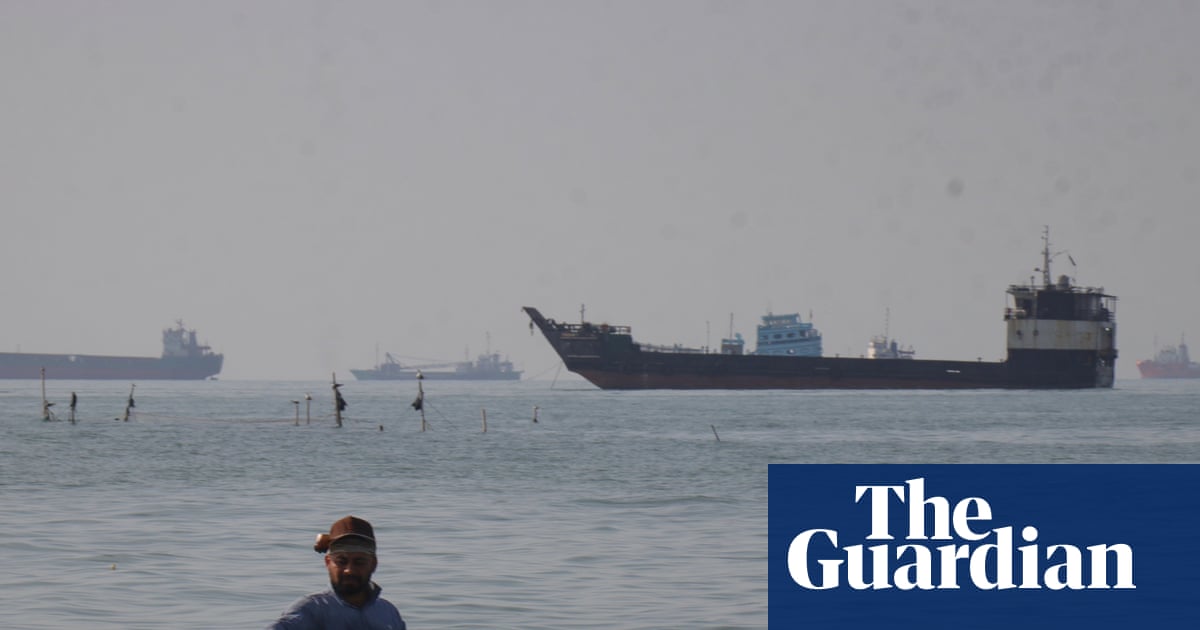
Trump said the US would "guide" ships trapped in the Gulf through the Strait of Hormuz under a Project Freedom initiative, while Iran warned US and foreign armed forces would be attacked if they enter the strait. The confrontation raises the risk of disruption to shipping routes and adds further upside pressure to oil, gas and fertiliser prices. The article also notes a worsening sovereign debt backdrop in developing countries, with 56 countries already spending more than 10% of government revenue on debt service before the conflict.
The market is now pricing a very unusual regime: a de facto wartime escort corridor layered on top of a hostile exclusion zone. That combination is bullish for realized energy volatility even if headline supply remains intact, because the bigger issue is not barrels lost today but the forced repricing of insurance, demurrage, routing, and working-capital costs across the Gulf shipping stack. The first-order move is crude/gasoline up; the second-order move is margin compression for every importer and industrial user exposed to delivered energy and freight.
The more important transmission is logistical, not just commodity price. Even a short-lived standoff can freeze a subset of cargoes for days, which is enough to trigger charter spikes, vessel queueing, and precautionary inventory building by refiners and traders; those behaviors can keep prices elevated after the initial shock fades. If the corridor is perceived as politically contingent rather than militarily secure, the market will assign a persistent “risk premium” to Middle East flows, which usually supports energy equities and shipping-insurance beneficiaries while hurting airlines, chemicals, and other fuel-sensitive cyclicals.
On the macro side, higher oil plus wider sovereign stress is a nasty mix for EM balance sheets already stretched by debt service. Countries that are net importers and funding-heavy will see two hits simultaneously: subsidy bills rise while tax receipts soften, making rate cuts less likely and external funding conditions tighter. That creates a second-order bearish setup for EM local debt, frontier sovereigns, and any domestic-demand proxy reliant on cheaper imported fuel.
The contrarian point: if this is mostly signaling and not sustained interdiction, the market may be overestimating duration and underestimating diplomatic de-escalation. The real tradeable edge is in options and relative value, not outright commodity beta, because the path dependency is extreme and headlines can reverse the risk premium in hours rather than weeks.
AI-powered research, real-time alerts, and portfolio analytics for institutional investors.
Request DemoOverall Sentiment
strongly negative
Sentiment Score
-0.60
Ticker Sentiment
