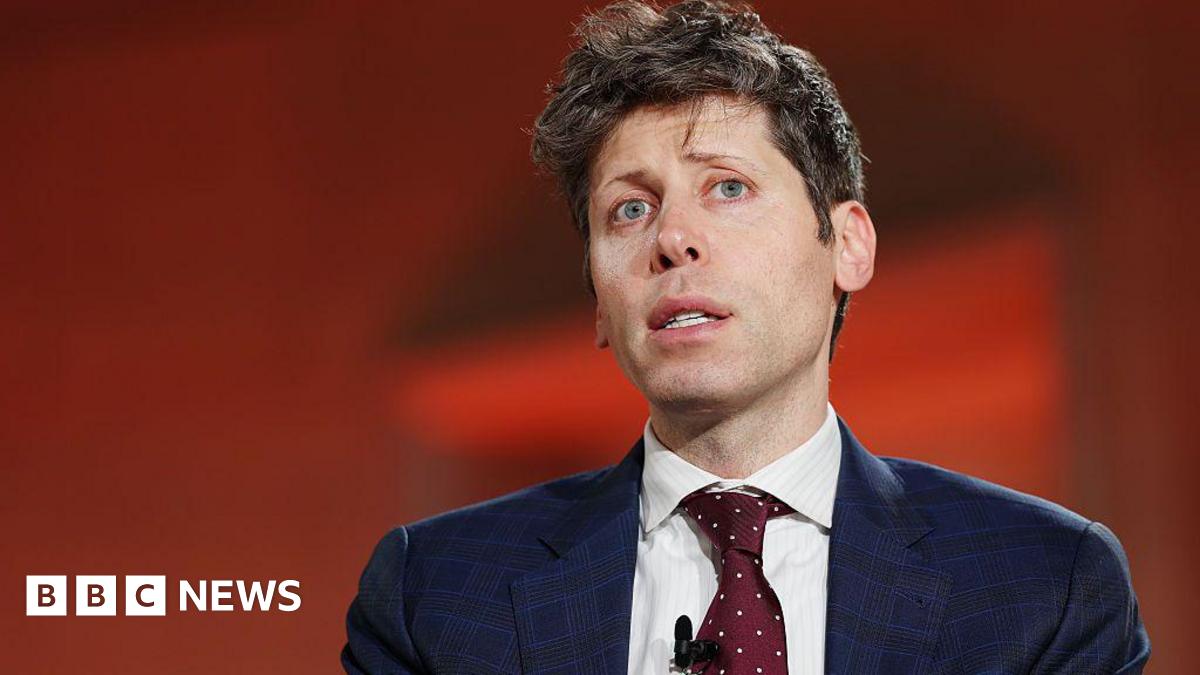
A Texas man faces state and federal charges after allegedly attacking Sam Altman’s San Francisco home with a Molotov cocktail and attempting to damage OpenAI property; no injuries were reported. Prosecutors say the suspect carried incendiary devices and documents advocating violence against AI executives and investors, heightening security and reputational concerns around OpenAI and the broader AI sector. The news is negative but appears unlikely to have a direct material impact on OpenAI’s operations or the market at large.
This is not a direct revenue event for AI equities, but it is a governance and security regime catalyst. The near-term market effect is a modest risk premium expansion for the entire AI complex: management teams will likely spend more on executive protection, site security, and incident response, while boards accelerate contingency planning around physical safety, crisis communications, and model governance. That cost line is small in absolute dollars, but the second-order effect is bigger: it increases the probability of slower deployment cadence and more conservative public messaging across frontier labs, which can marginally compress sentiment multiples for the group.
The more important read-through is regulatory. When AI becomes associated with public safety and extremist behavior, policymakers get a cleaner narrative for hearings, disclosure demands, and guardrails around model release and safety evaluation. That is a headwind for the highest-beta AI names with the least diversified revenue base, because their valuation depends more on “unbounded TAM” than current cash flow. Conversely, incumbents with deep compliance infrastructure and enterprise distribution are better insulated: they can absorb a slightly heavier governance burden without impairing adoption.
The contrarian point is that this kind of headline often looks worse for sentiment than for fundamentals. If the industry treats it as a security issue rather than a product issue, the long-run commercial path for AI remains intact; the shock can even help larger platforms by raising barriers to entry and increasing customer preference for trusted vendors. The real tradeable risk is not litigation damages but a temporary pause in risk-taking by growth investors over the next 2-6 weeks, especially in names that have run on narrative rather than earnings power.
AI-powered research, real-time alerts, and portfolio analytics for institutional investors.
Request TrialOverall Sentiment
moderately negative
Sentiment Score
-0.35
