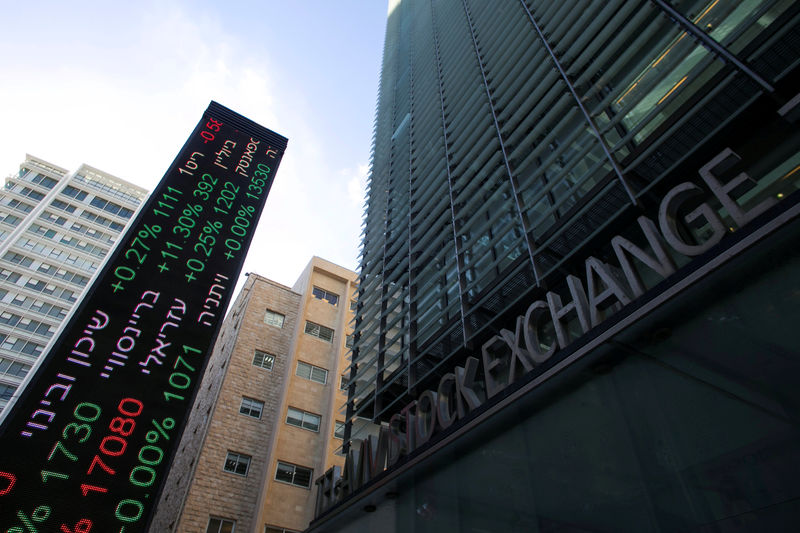
The TA 35 fell 1.62% to a new 1-month low, with decliners outnumbering advancers 327 to 146. Technology and oil & gas names led the slide, while Nova dropped 8.99%, Tower Semiconductor fell 8.90%, and Shufersal rose 3.33% to an all-time high. Commodities were firmer, with Brent up 0.74% to $110.07 and WTI up 1.06% to $102.09, while USD/ILS slipped 0.39% to 2.90.
The clean read is not just sector weakness in Israel, but a sharper signal of positioning stress in high-beta industrial/tech exposure. The largest laggards are businesses where earnings are most sensitive to global capex and semiconductor cycle assumptions, so a risk-off tape plus firmer energy and a softer dollar can simultaneously compress multiples and raise input-cost uncertainty. That creates a second-order negative for any local suppliers tied to global electronics/measurement demand: even if end-market revenues hold, order timing and inventory digestion can deteriorate quickly over the next 1-2 quarters.
NICE’s relative strength matters more than the index move. In a tape where the market is punishing duration and cyclicality, a large-cap software name outperforming on a down day often reflects either hidden defensiveness or short covering, and that can persist for several sessions if the company is perceived as lower sensitivity to macro. By contrast, the sharp drawdowns in semiconductor-adjacent names suggest the market is revising forward bookings, not just marking risk; that tends to be the kind of move that overshoots on day one but continues to leak lower for weeks as sell-side models catch down.
The currency and commodity setup is mixed for Israel-focused exposures: a weaker shekel is a modest earnings tailwind for exporters, but higher oil offsets that via broader inflation pressure and tighter financial conditions. The real catalyst to watch is whether this is a one-day de-risking or the start of a systematic unwind in global growth proxies; if U.S. rates back up or oil stays bid, the losers likely remain under pressure for months rather than days. The contrarian angle is that the semis may be closer to capitulation than confirmation, while NICE could be the cleaner crowded-long unwind if sentiment normalizes and buyers rotate back into quality software.
AI-powered research, real-time alerts, and portfolio analytics for institutional investors.
Overall Sentiment
mildly negative
Sentiment Score
-0.15
Ticker Sentiment
