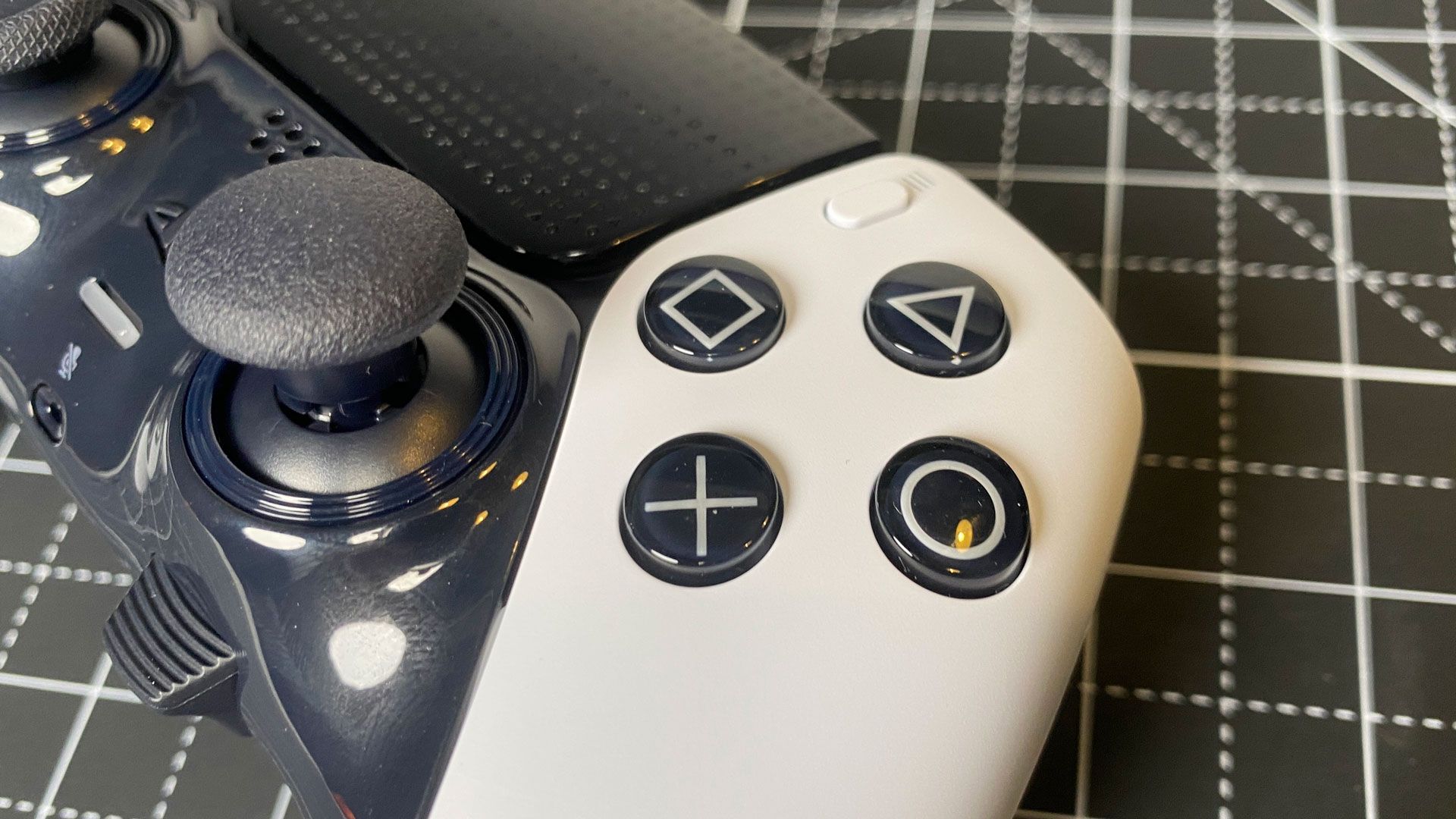
A new DIY DS5Dongle lets PC gamers use Sony's DualSense controller wirelessly with adaptive triggers and haptic feedback for under $20 using a Raspberry Pi Pico 2W. The open-source design is reported to deliver low latency and restores features that Windows Bluetooth cannot transmit natively. The news is positive for PC gaming enthusiasts, but the likely market impact is limited.
This is not a meaningful direct revenue event for SONY, but it is a useful signal that the DualSense has become a de facto standard among PC power users. The second-order implication is that Sony’s controller ecosystem is getting free feature validation outside PlayStation, which can support accessory pull-through and strengthen consumer preference for PlayStation hardware over time. The irony is that an unofficial, low-cost workaround may widen the addressable audience for Sony’s input ecosystem rather than cannibalize it. The bigger competitive read is that the value of the controller now partly resides in its tactile feature set, not just the console attached to it. If PC gamers increasingly associate DualSense with a differentiated experience, Microsoft and third-party controller makers face pressure to close the haptics/adaptive-trigger gap or risk losing enthusiast mindshare. That said, this is still a niche enthusiast channel today; the adoption curve likely matters more over 6-18 months than in the next few sessions. The key risk for Sony is that consumer goodwill accrues to the hardware brand while the monetization accrues elsewhere. An open, MIT-licensed workaround can commoditize the transport layer, making Sony’s ecosystem feel more like a premium feature set than a closed platform moat. The contrarian view is that this is mildly bullish for Sony because it reinforces controller differentiation without requiring Sony to spend capital or take platform risk; the market may be underestimating how often hardware ecosystems expand when enthusiasts prove demand is durable. Catalyst-wise, the near-term mover is not the dongle itself but whether PC accessory makers or OEMs copy the idea at scale. If this becomes a small but persistent accessory category, it could create incremental attach-rate opportunities for controller sales and related accessories over the next several quarters. If adoption stalls, this remains a novelty with negligible financial impact.
AI-powered research, real-time alerts, and portfolio analytics for institutional investors.
Overall Sentiment
mildly positive
Sentiment Score
0.20
Ticker Sentiment
