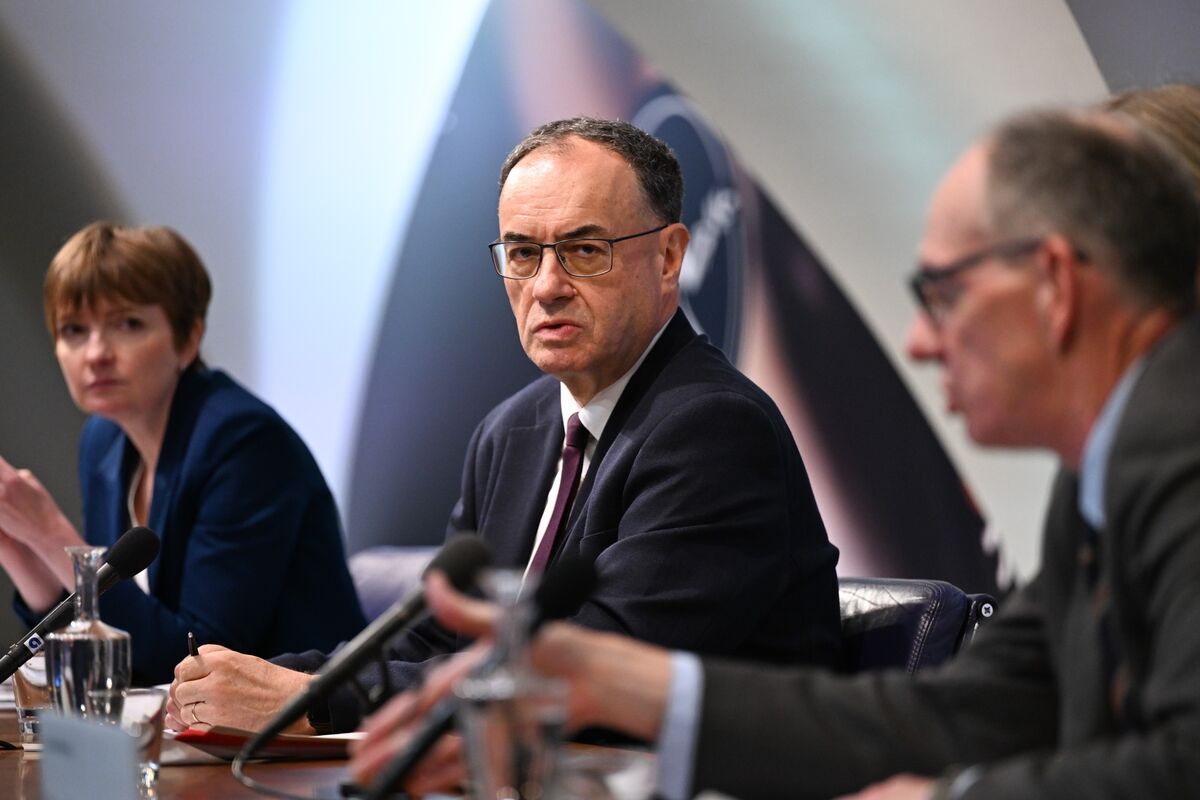
The Bank of England cut its benchmark interest rate by a quarter-point to 4%, reaching a two-year low, following a tighter-than-expected 5-4 vote by the Monetary Policy Committee. This decision, balancing a weakening jobs market against potential 4% inflation, has introduced "genuine uncertainty" for future policy, as noted by Governor Andrew Bailey, leading markets to now view a November rate reduction as highly uncertain.
The Bank of England has implemented a quarter-point interest rate reduction to 4%, a two-year low, but the decision reveals significant internal division and forward-looking ambiguity. The narrow 5-4 vote by the Monetary Policy Committee underscores a fundamental conflict between addressing a weakening jobs market, which supports monetary easing, and curbing potential inflation projected to rise to 4%, which would argue for maintaining higher rates. This policy friction is explicitly acknowledged by Governor Andrew Bailey's statement on "genuine uncertainty," which has directly impacted market expectations. As a result, the probability of a subsequent rate cut in November is now considered highly uncertain, shifting from a likely event to a decision that hangs in the balance, reflecting the mixed signals and uncertain tone of the central bank's action.
AI-powered research, real-time alerts, and portfolio analytics for institutional investors.
Request DemoOverall Sentiment
mixed
Sentiment Score
0.00
