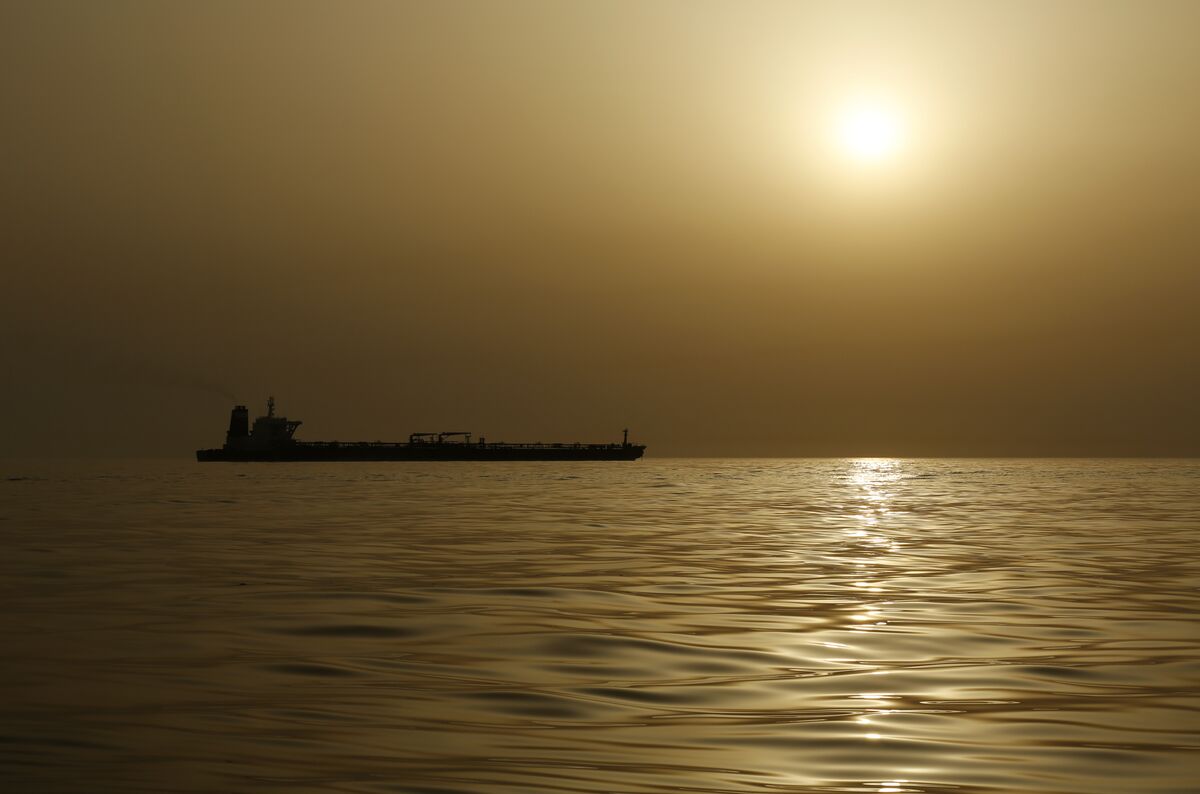
The sale of a US-sanctioned tanker, the Jasmine (formerly Contract II), for scrap in India with unusual payment and owner identity protection clauses, highlights intensifying pressure on the "dark fleet." This incident, alongside a rising number of older illicit vessels appearing at Indian scrapyards, indicates that tightening sanctions enforcement is making it increasingly difficult and costly to operate these ships in the illicit oil trade.
The sale and scrapping of the US-sanctioned tanker, formerly named Jasmine, at India's Alang ship-breaking yard signals escalating financial and operational pressure on the so-called "dark fleet." The unusual sale conditions, which include extended payment terms and measures to obscure the owner's identity, underscore the high-risk, low-liquidity nature of these assets. This event is not isolated; it is part of a broader trend where an increasing number of older, sanctioned vessels are being retired as tightened international enforcement makes their operation in the illicit oil trade untenable. The fact that a vessel built almost three decades ago is being dismantled highlights that the oldest and least-compliant tonnage is being squeezed out first. This gradual attrition of the dark fleet, driven by effective sanctions, has the potential to incrementally reduce the shadow capacity available for transporting sanctioned crude, thereby impacting illicit trade logistics.
AI-powered research, real-time alerts, and portfolio analytics for institutional investors.
Request DemoOverall Sentiment
strongly negative
Sentiment Score
-0.70
