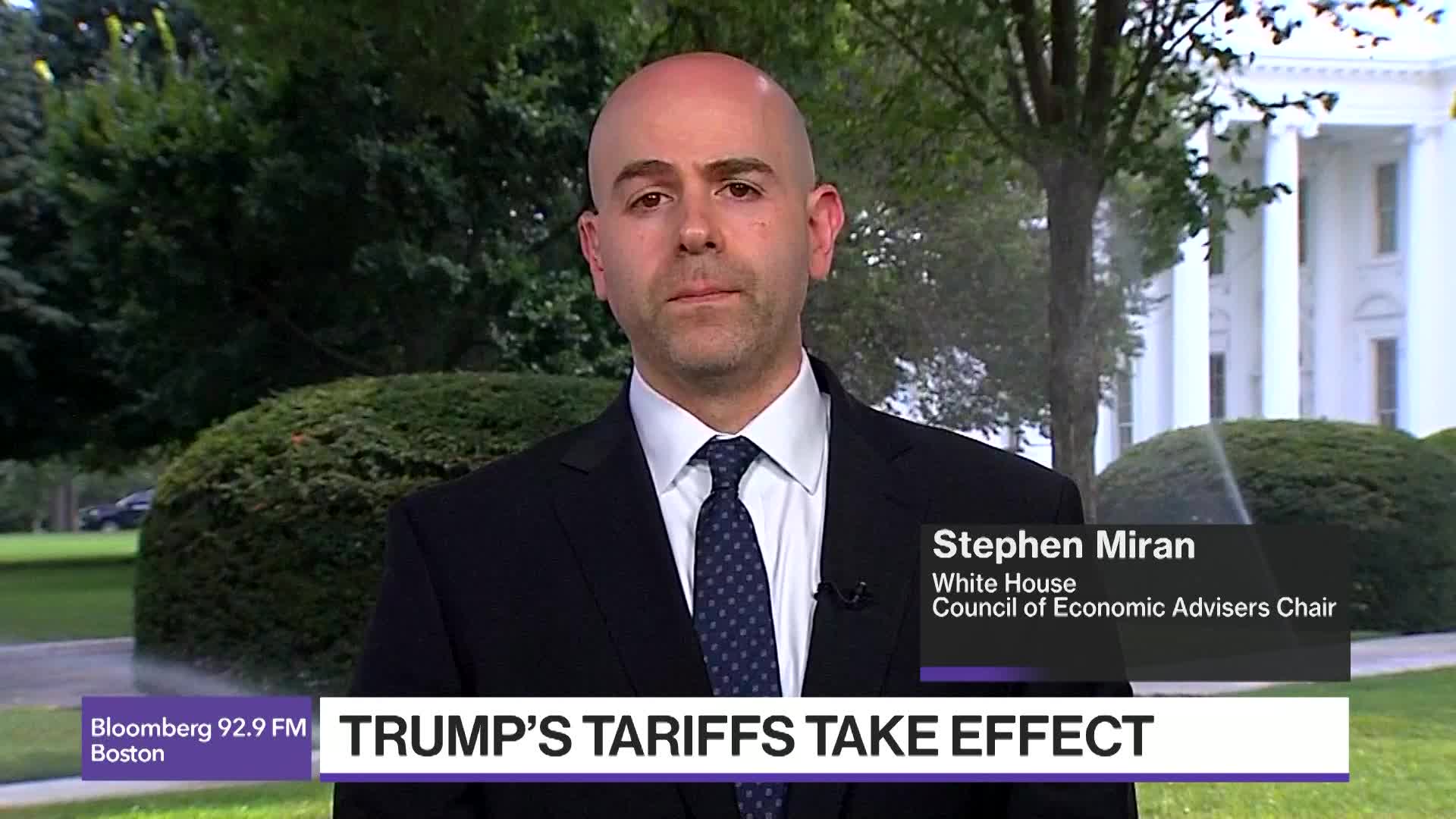
Market commentator Miran lauded Federal Reserve Governor Christopher Waller, specifically commending his apparent lack of 'Tariff Derangement Syndrome.' This praise highlights Waller's perceived resistance to protectionist trade policies, suggesting a preference for stable trade relations from a key monetary policymaker, which could be viewed positively by investors seeking economic predictability.
Market commentary from Miran has highlighted Federal Reserve Governor Christopher Waller's perceived stance on international trade, describing him as lacking 'Tariff Derangement Syndrome.' This praise suggests Waller is viewed as an opponent of protectionist trade policies, a significant observation given that tariffs and trade disruptions can have direct consequences for inflation and supply chain stability—key areas of concern for the Federal Reserve. While the Fed's mandate does not include setting trade policy, a governor's views on the matter are relevant as they inform their perspective on economic risks and the appropriate monetary response. The positive sentiment indicates that market participants may interpret Waller's position as a force for economic predictability, favoring stable trade relations that support the central bank's goal of price stability, even though the immediate market impact of this specific comment is assessed as low.
AI-powered research, real-time alerts, and portfolio analytics for institutional investors.
Request DemoOverall Sentiment
moderately positive
Sentiment Score
0.50
