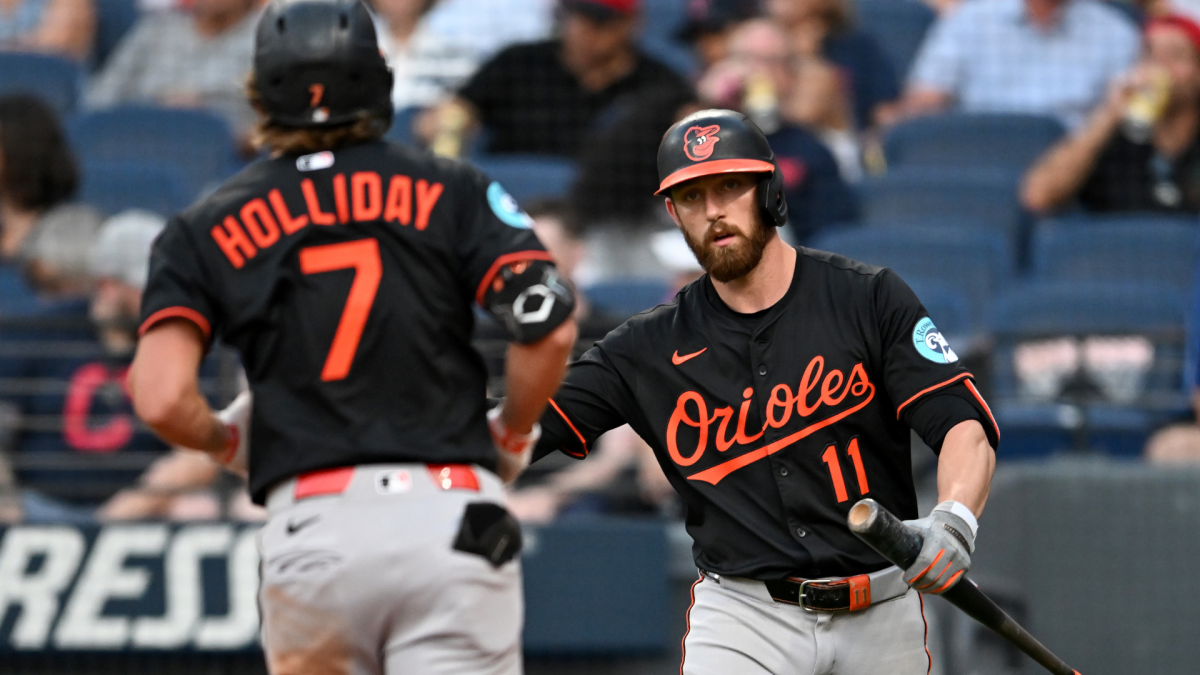
Baltimore lost third baseman Jordan Westburg to season-ending elbow surgery after a partially torn UCL worsened, leaving the Orioles without a key contributor for the rest of 2026. Westburg had posted an OPS+ of 114 with 17 home runs in 85 games in 2025, and his absence deepens an already weak third-base situation where Orioles third basemen have combined for a .523 OPS, 27th in MLB. The news adds to a difficult season for Baltimore, which is 20-24 and already nine games behind in the AL East.
The immediate market read is that this is less about one player and more about a compounding organizational execution problem: every additional infield injury increases the odds that Baltimore keeps forcing underpowered bats into premium defensive spots, which drags both run prevention and lineup construction. The second-order effect is on development velocity — if they keep shuffling positions, the club risks turning two average offensive pieces into one below-average defender and one compromised hitter, which is a meaningful drag over the next 6-10 weeks rather than a one-game setback. The most interesting angle is that the replacement hierarchy may be worse than the headline loss. If the organization leans into the higher-upside young bat, the downside is defensive instability; if it prioritizes glove-first cover, the offense likely remains structurally short of league average at a spot that already acts as a hidden tax on run creation. That creates a feedback loop: poor third-base production increases pressure on the rest of the lineup to overperform, which is hard to sustain in a team already carrying negative run differential. The catalyst window is short. Over the next 2-4 weeks, look for whether the club keeps treating the position as a short-term patch or promotes a more permanent alignment; that decision will tell us if they are optimizing for 2026 evaluation or trying to salvage 2025 competitiveness. The contrarian view is that the market may be over-penalizing the injury itself and underestimating the possibility that a cleaner infield alignment actually improves aggregate run expectancy, especially if the young hitter forces his way into a better offensive role by midsummer.
AI-powered research, real-time alerts, and portfolio analytics for institutional investors.
Request DemoOverall Sentiment
moderately negative
Sentiment Score
-0.40
