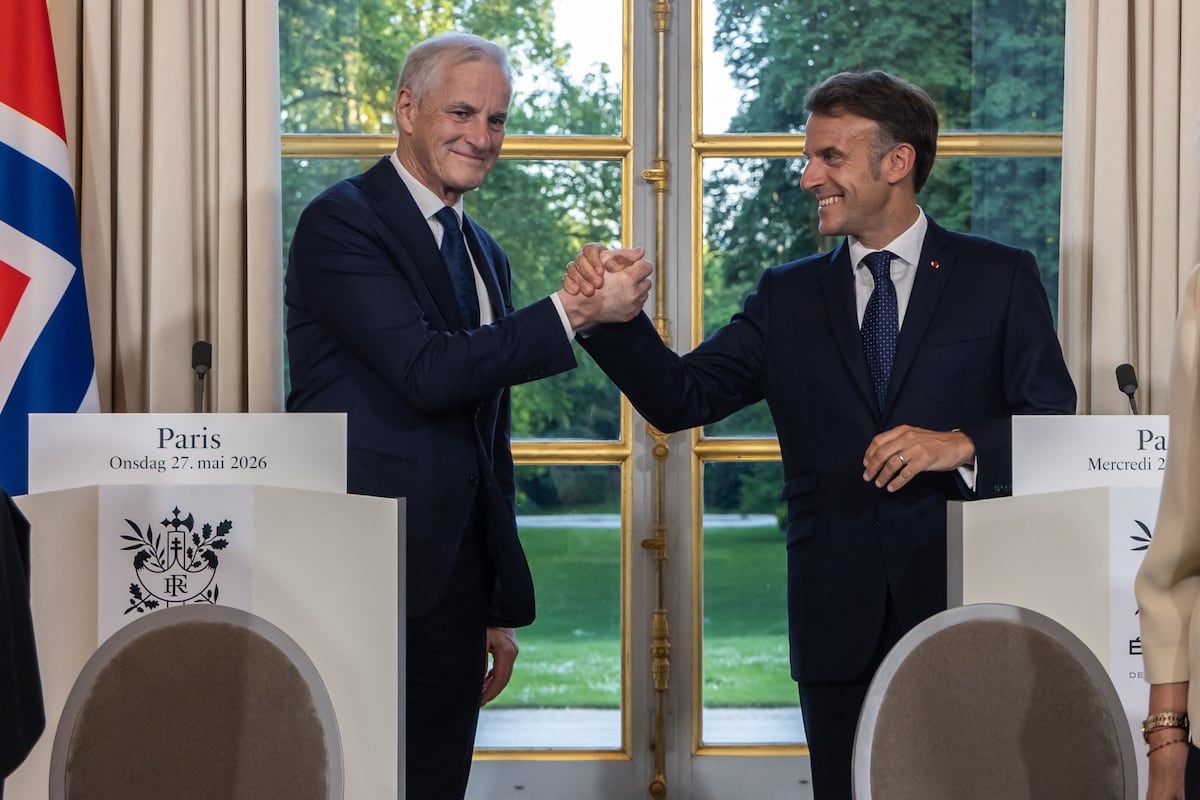
Norway became the ninth European country to sign up for French nuclear protection, expanding France’s new 'forward deterrence' framework amid heightened concerns over Russia and doubts about U.S. reliability. Germany is the most advanced partner, with a steering group in place and first concrete steps expected by end-2026; it will join French nuclear exercises as an observer starting in September. The move underscores a significant shift in European defense posture, though the doctrine remains strategically ambiguous and operational details are still being defined.
This is less about near-term force posture than about Europe slowly pricing a permanent insurance regime against U.S. political volatility. The second-order beneficiary set is broader than pure defense primes: the real economic signal is that European governments are now budgeting for sovereign redundancy in command-and-control, basing, air-defense integration, hardened infrastructure, and munitions depth. That supports a multi-year capex cycle with better visibility than most cyclicals, but the spending mix likely tilts toward domestically anchored contractors and systems integrators rather than transatlantic platform imports.
The biggest market mistake would be treating this as a one-off headline for French defense names. If Paris becomes the de facto nuclear guarantor, German and Polish procurement will keep shifting toward dual-use enablers: ISR, secure comms, air defense, EW, long-range strike, and support for certified nuclear-capable aircraft ecosystems. That is structurally supportive for European defense order books over 12-36 months, while raising the probability that NATO interoperability spending gets duplicated rather than consolidated — a negative for budget efficiency, but positive for suppliers with scarce certifications and political access.
A subtler loser is the U.S. security umbrella premium: the more European allies hedge through France, the less optionality Washington retains in alliance negotiations. That can weigh on U.S. defense names with heavy NATO-exposed export narratives if buyers increasingly diversify away from U.S.-only dependencies. The contrarian view is that ambiguity is intentional and therefore stabilizing; if the doctrine remains symbolic, the actual capital allocation may stay modest until a crisis validates it, so the trade is better expressed through staged entry than outright chase.
AI-powered research, real-time alerts, and portfolio analytics for institutional investors.
Request TrialOverall Sentiment
mildly negative
Sentiment Score
-0.15
Tail risk is a European leadership reversal if U.S. commitments reprice positively after elections or if Russia de-escalates materially; that would compress the political premium quickly. More likely, however, the catalyst path is incremental: observer roles, exercises, and infrastructure visits over the next 3-9 months, followed by procurement language in 2026 budgets. The key tell is whether this evolves from doctrine into funded programs — until then, the market should pay for optionality, not certainty.
