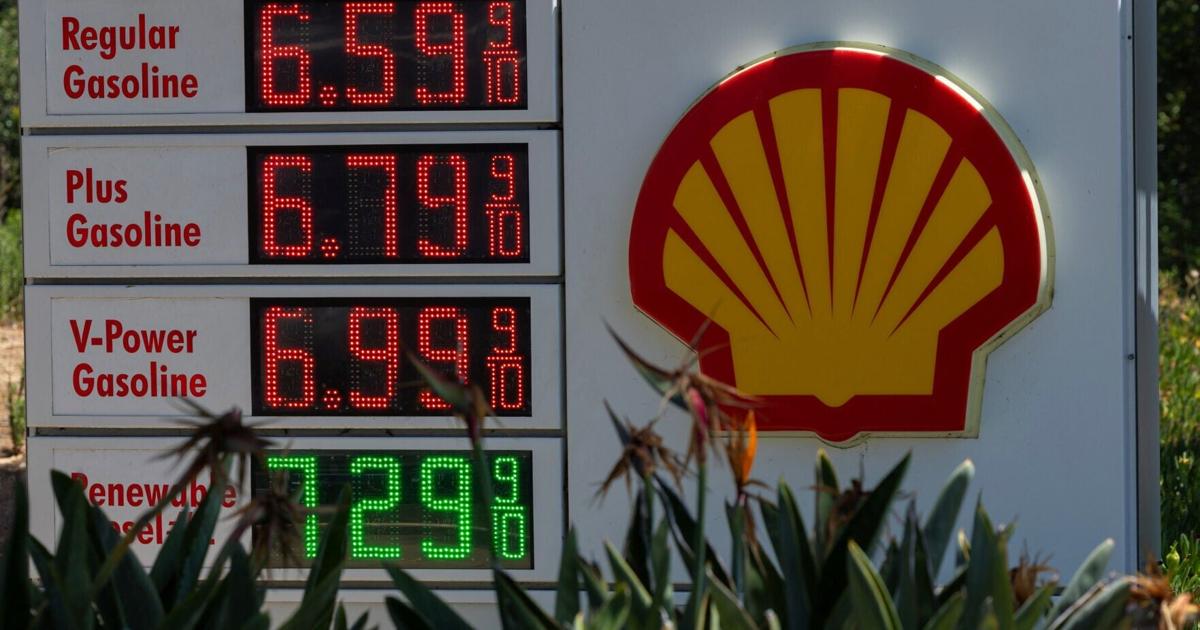
U.S. CPI rose 0.6% in April and 3.8% year over year, both above or in line with expectations but at the fastest annual pace since May 2023, driven by a 3.8% jump in energy prices and broad-based increases in food, rents, and airfares. Core CPI climbed 0.4% m/m and 2.8% y/y, reinforcing expectations that the Fed will keep rates elevated while Treasury yields move higher. The report adds political pressure on Trump amid higher gasoline prices and war-related supply shocks from the Strait of Hormuz conflict.
The immediate market read is straightforward: inflation is becoming less transitory in the places that matter most for policy credibility — energy, shelter, and services — which increases the odds of a higher-for-longer Fed and a steeper term premium. The second-order effect is that this is not just a rates story; it is a margin story for consumer-discretionary, transportation, and small-cap names with weak pricing power, while firms with inflation pass-through and hard-asset exposure gain relative advantage.
The more interesting dynamic is that this shock is regressive, which makes it politically dangerous well before it becomes macro-dangerous. Lower-income cohorts face the fastest deterioration in real disposable income, so the first visible demand damage should show up in convenience retail, lower-end apparel, quick-service traffic, and regional leisure rather than in aggregate GDP data. If gasoline and freight costs stay elevated for another 4-8 weeks, expect a broader earnings reset in categories that had been assuming flat input costs into 2H.
From a policy standpoint, the market may be underestimating how quickly the Fed will react to a renewed commodity impulse if core services stop decelerating. A one-month spike is tolerable; a three-month sequence forces the Fed to choose between growth and credibility, which usually means yields move higher even as equities derate. The contrarian risk is that some of this inflation is mechanically front-loaded and could cool if energy prices normalize, but the real asymmetry is that geopolitical supply disruptions tend to decay slowly, while inflation expectations reprice fast.
There is also a hidden beneficiary in the AI/data-center buildout: power demand is starting to contaminate utility inflation and industrial electricity pricing, which can lift regulated-utility earnings but pressure energy-intensive end users. That creates a divergence between asset owners with rate base growth and consumers of power whose costs are rising faster than volumes. In other words, this is a classic late-cycle setup where nominal winners can still be poor real winners if demand finally rolls over.
AI-powered research, real-time alerts, and portfolio analytics for institutional investors.
Request DemoOverall Sentiment
strongly negative
Sentiment Score
-0.60
