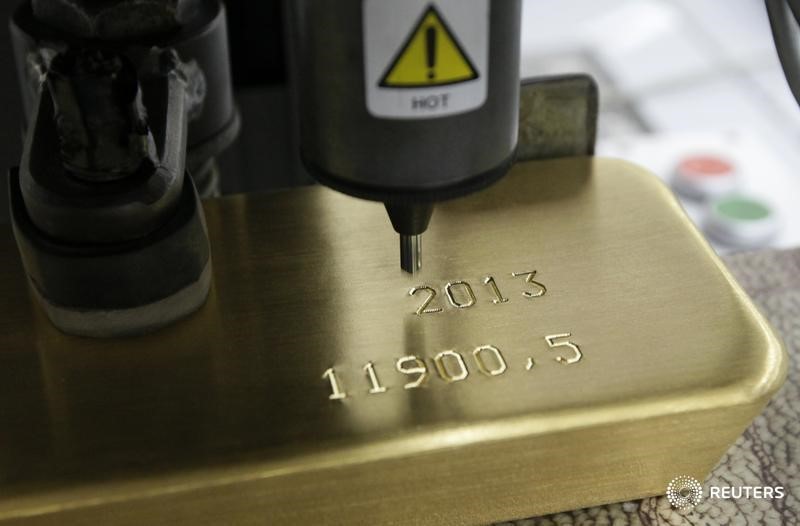
Oil surged to over $115/barrel after Yemen’s Iran-aligned Houthi group attacked Israel, raising the risk of a new front and wider Iran-related escalation. Spot gold rose 0.4% to $4,509.51/oz and futures rose 0.4% to $4,537.40/oz; spot silver fell 0.9% to $69.09/oz while spot platinum gained 1.8% to $1,898.73/oz. OCBC flagged the gold rebound as largely technical with key resistances at $4,624, $4,670 and $4,850/oz, and warned that higher energy prices could keep inflation and Treasury yields elevated, creating headwinds for gold. Market dynamics are risk-off and volatile, with geopolitics likely to have broad market and commodity-price implications.
The immediate winners are the transport and logistics nodes that monetize longer voyages and insurance dislocations — tanker owners and short-sea operators see a multi-week increase in 'time-charter equivalent' days from Suez/Red Sea reroutes, while P&I/insurers can reprice risk within 2–6 weeks. Refiners with access to heavy crude and proximity to alternative shipping lanes gain incremental margin; conversely, integrated refiners and airlines facing higher jet fuel input will see margins compress and unit costs rise in the same timeframe.
Macro feedback loops matter: a sustained $100+ Brent for 2–3 months materially lifts global CPI prints, which in turn will push real yields up and narrow gold’s real return case despite flight-to-safety flows. Central banks have ~4–12 week reaction time via messaging or hikes; strategic oil releases or OPEC+ production moves could truncate the supply shock within that window, creating high volatility around those catalysts.
Consensus is overstating perpetual upside: there is meaningful spare production and stocks that can cap a run if demand elasticity kicks in — a 6–12 month horizon increases recession risk if oil stays elevated, which would flip the winners to defensive cyclicals. Tradeable framework: play shipping and near-term oil convexity with size-limited, option-defined positions, pair energy exposure against duration-sensitive assets, and keep tactical hedges for a rapid de-escalation or aggressive policy response.
AI-powered research, real-time alerts, and portfolio analytics for institutional investors.
Overall Sentiment
mildly negative
Sentiment Score
-0.35
