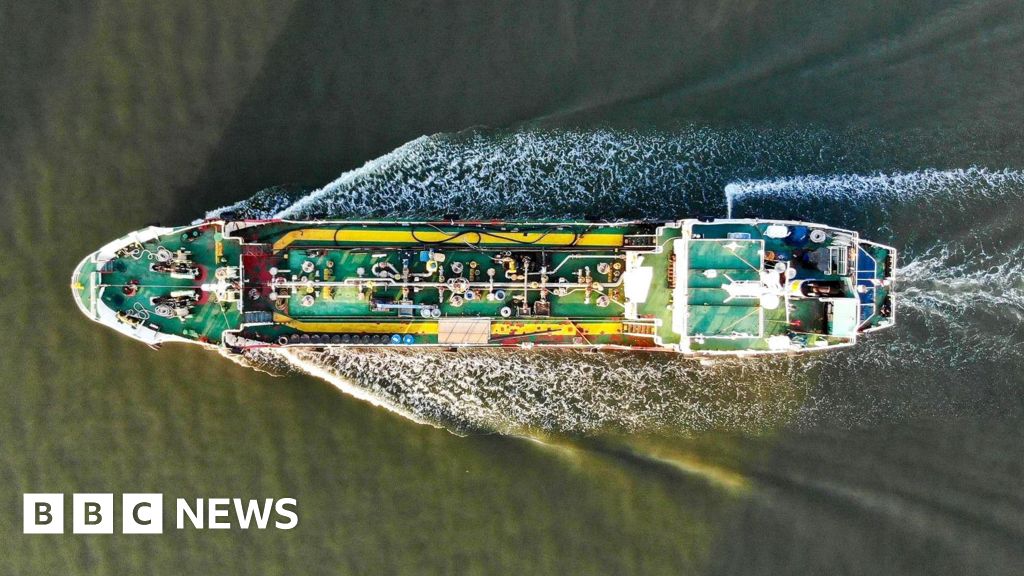
A ceasefire in the Gulf sparked roughly 15% falls in oil and gas market prices and pushed five-year UK gilt yields down the equivalent of ~25bps. Near-term: lower oil/gas prices reduce the immediate inflation spike, calm mortgage and government bond rates, and ease short-term energy bill pressure; LNG tanker flows remain critical through summer to refill European stocks. Medium/long-term risks persist: damage to Gulf gas infrastructure (notably Qatar) may take weeks to restart and years to fully restore capacity, and Iran's demonstrated control of the Strait of Hormuz (and tolling dynamics) creates lasting geopolitical supply-risk that could keep commodity and inflationary scarring elevated.
The market has likely moved too quickly from crisis to normalcy; the structural takeaway is not a temporary transit disruption but the creation of an enduring transit-risk premium embedded in shipping, insurance and energy contracts. Expect a persistent wedge between FOB Gulf prices and delivered prices into Asia/Europe driven by higher insurance, rerouting costs and informal “tolls” — a 3–8% drag on delivered oil/LNG economics that will favor producers and asset owners who can command control of flows.
Second-order winners are asset-light exporters and midstream owners with flexible LNG cargo allocation (pricing power on destination) and shipping owners with modern, fuel-efficient fleets who can cherry-pick higher-paying voyages; losers are refiners and industrials in import-dependent countries with tight diesel/jet fuel exposure and semiconductor supply chains reliant on specialty gases. Macro spillovers will be felt across term structures: near-term backwardation in oil/LNG contracts and a compression of short-end sovereign yields if the market prices a lower inflation spike, while escalation risk re-prices term premia higher in days.
Key catalysts to watch are (1) formal, verifiable reopening protocols for transits, (2) repair timelines for damaged gas infrastructure, and (3) insurance rate filings by major P&I clubs — any of which can flip the priced-in premium within weeks, while infrastructure repair and geopolitical repositioning play out over 6–36 months. Position sizing should be asymmetrical: capture carry from structural winners but size for a high-probability, short-duration volatility shock that can reverse gains quickly.
AI-powered research, real-time alerts, and portfolio analytics for institutional investors.
Request DemoOverall Sentiment
mildly positive
Sentiment Score
0.18
