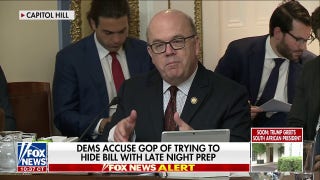
The White House is urging immediate passage of H.R. 1, the "One Big Beautiful Bill Act," which aims to advance Trump's agenda on immigration, taxes, energy, defense, and the debt limit through budget reconciliation. However, the House Freedom Caucus is pushing for a delayed vote and more aggressive cuts to Medicaid and a full repeal of the Inflation Reduction Act, creating internal GOP disagreements. Despite these divisions, Trump has signaled he would sign the bill into law, offering a significant endorsement of House GOP leaders' plans.
The White House is strongly endorsing H.R. 1, the 'One Big Beautiful Bill Act,' urging immediate House passage to implement President Trump's budgetary agenda, which includes delivering bigger paychecks, stimulating economic growth, promoting American energy, enhancing border security and national defense, and reforming federal spending. This multi-trillion-dollar bill, intended to advance priorities on immigration, taxes, energy, defense, and the debt limit, is being pursued via the budget reconciliation process, lowering the Senate passage threshold to 51 votes. However, significant internal Republican division exists, with the House Freedom Caucus advocating for a delayed vote to incorporate more aggressive cuts to Medicaid, particularly the Affordable Care Act expansion, and a full repeal of the Inflation Reduction Act's green energy subsidies. The bill remains unfinished, with leaders planning a 'manager's amendment' to address Medicaid work requirements and an amended state and local tax (SALT) deduction cap. Despite President Trump's personal lobbying for swift passage and his commitment to sign the legislation, these disagreements, occurring against a backdrop of national debt exceeding $36 trillion, introduce uncertainty regarding the bill's final content and timeline. The provided neutral sentiment score (0.1) and low market impact score (0.3) suggest that financial markets are currently viewing the bill's prospects or immediate impact with a degree of caution or uncertainty, possibly due to these internal legislative hurdles.
AI-powered research, real-time alerts, and portfolio analytics for institutional investors.
Overall Sentiment
Neutral
Sentiment Score
0.10
Ticker Sentiment
