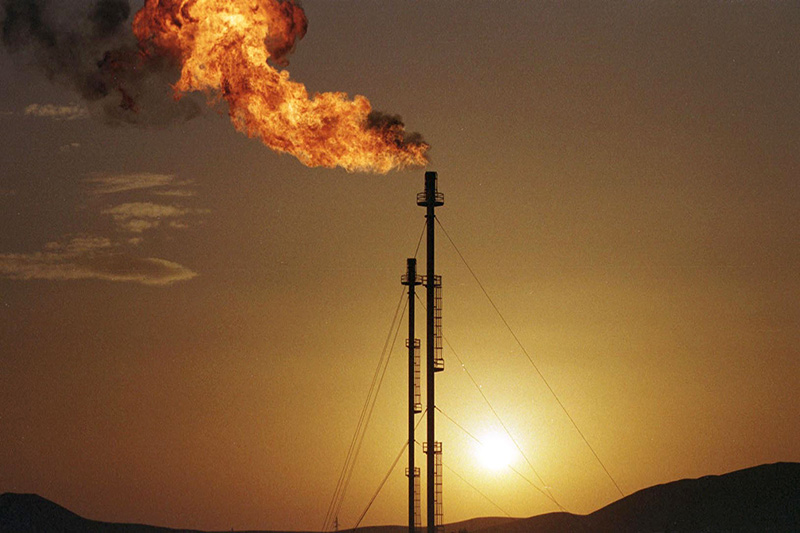
Serbia secured a 3-month extension of its Russian gas contract, preserving current price and volume terms at $320–$330 per 1,000 cubic meters and 6 million cubic meters per day (with flexibility for additional volumes). Russian gas supplies cover up to 90% of Serbia’s energy demand, so the extension maintains near-term energy cost stability and reduces immediate supply disruption risk. The move is locally material but unlikely to materially shift broader regional energy markets.
Short-term contract rollovers by importers create a quietly asymmetric outcome: they preserve incumbent supply relationships today while compressing the commercial case for near-term investment in alternative infrastructure. That deferral lowers capex for LNG terminals and interconnectors over the next 6–24 months, concentrating future demand into a narrower window and increasing the probability of episodic price spikes when contracts finally roll or weather shocks hit.
From a competitive standpoint, sellers who can offer flexible, short-duration supply retain pricing optionality and lower working capital risk versus long-term project developers. That dynamic favors vertically integrated exporters and pipeline owners with frozen-in market access, while pressuring marginal LNG projects and merchant terminal developers whose utilization and FCF are pushed further out.
Tail risks cluster around three catalysts on different horizons: near-term weather-driven demand (days–weeks) can create tight spreads if storage underperforms; medium-term political shifts or sanctions (months) can abruptly remove pipeline supply; and long-term infrastructure commitments (years) will determine whether deferred demand reappears as a controlled transition or a violent price dislocation. A sudden pivot by a buyer to multiyear diversified supply would flip the market quickly and is the primary reversal scenario.
The behavioral wrinkle investors miss is convexity: repeated short extensions build latent, concentrated demand that’s more likely to cause spike volatility than a steady upward price path. Positioning that monetizes episodic volatility and favors existing integrated exporters over stranded LNG developers captures both the stable cashflow element and the option value of episodic rallies.
AI-powered research, real-time alerts, and portfolio analytics for institutional investors.
Request DemoOverall Sentiment
neutral
Sentiment Score
0.05
