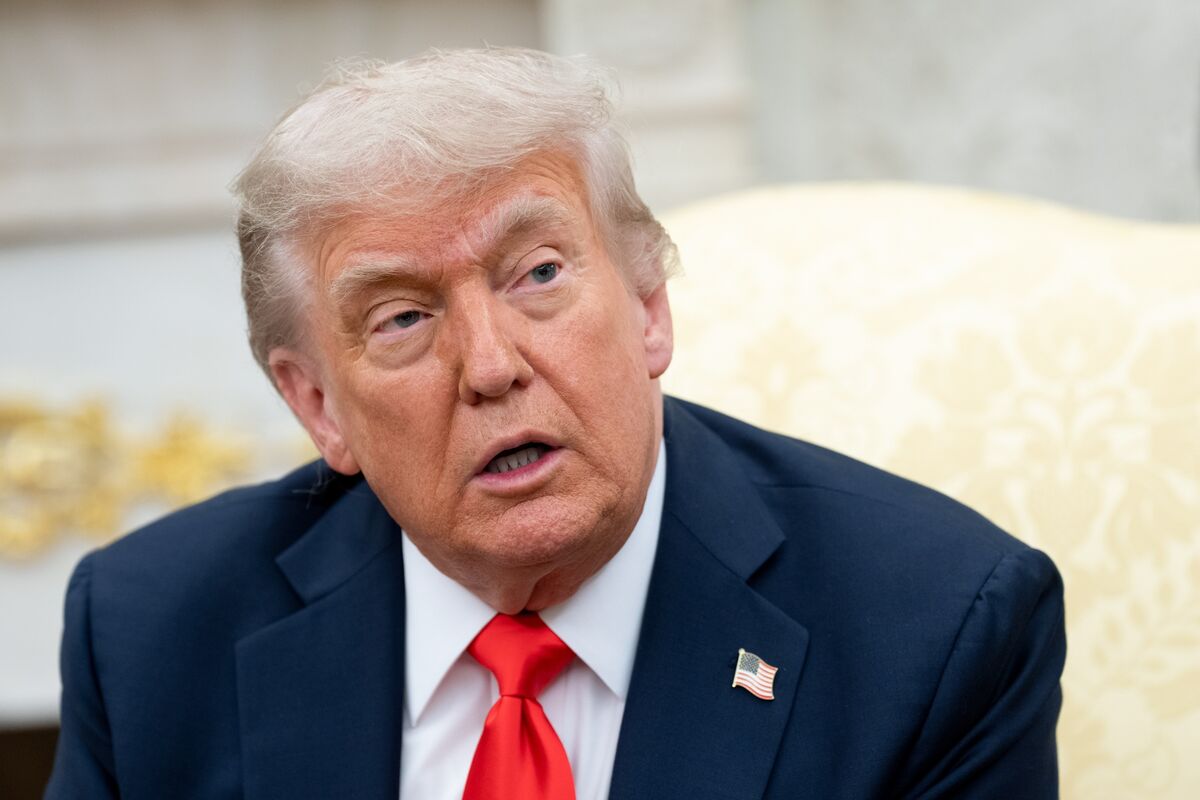
According to US and European officials, Donald Trump is refraining from pressuring China to cease its support for Russia's war efforts in Ukraine. The US administration is reportedly prioritizing bilateral concerns with Beijing, effectively downgrading the Ukraine conflict on its foreign policy agenda; however, sources caution that Trump's position remains subject to change.
According to US and European officials, the Trump administration is reportedly adopting a strategy of restraint concerning China's support for Russia's war efforts, choosing instead to prioritize direct bilateral concerns with Beijing. This approach effectively de-escalates the Ukraine conflict as a primary focus in US foreign policy discussions with China, as stated by officials who requested anonymity due to the private nature of these deliberations. It is important to note, however, that these same sources cautioned that President Trump's position on this matter could change unpredictably. The reported neutral sentiment and a low market impact score of 0.2 suggest that financial markets may not perceive an immediate, significant disruption from this specific stance. Nevertheless, this potential shift in US foreign policy carries considerable long-term implications for geopolitical alignments, international trade relationships, and supply chain stability, particularly within the context of the identified themes of "Geopolitics & War" and "Trade Policy & Supply Chain." The overarching theme of "Elections & Domestic Politics" further underscores the potential for volatility and revisions to this policy.
AI-powered research, real-time alerts, and portfolio analytics for institutional investors.
Request DemoOverall Sentiment
neutral
Sentiment Score
0.00
