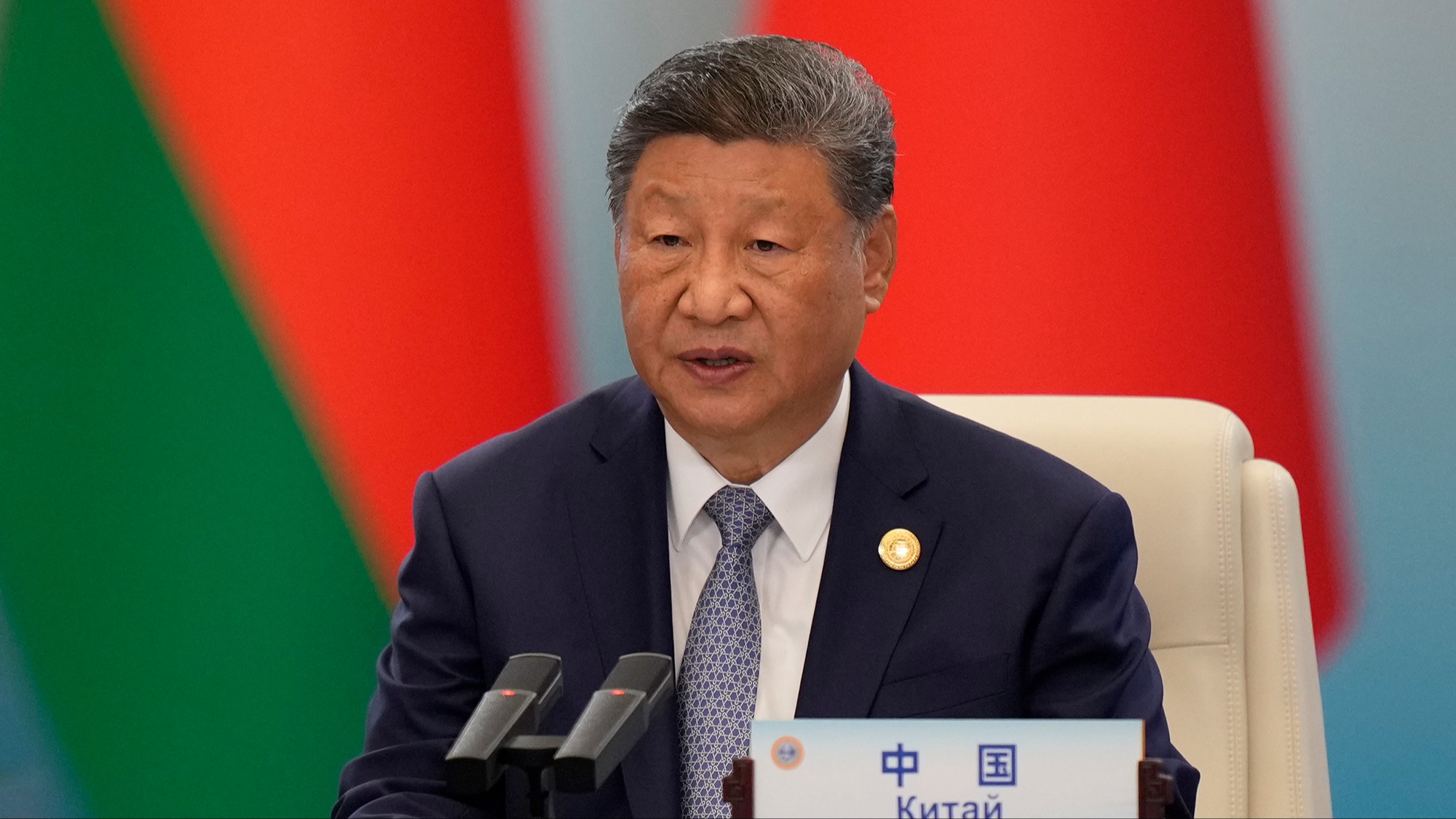
An economist argues that China’s government risk aversion is constraining the internationalisation of the renminbi, limiting its wider use in cross-border trade and finance despite Beijing’s stated ambition to elevate the currency to global reserve status. President Xi Jinping reiterated a goal for the renminbi to be 'widely used in international trade, investment and foreign exchange markets' and to attain reserve currency status, but policy conservatism and control measures are cited as the principal barriers to near-term progress, implying limited immediate market impact but continued strategic importance for FX and emerging-market allocations.
Market structure: Beijing’s risk aversion implies a slow, controlled path to RMB internationalisation — that benefits state banks, onshore bond issuers and FX-intervention service providers while constraining reserve managers and offshore RMB liquidity providers. Expect persistent onshore–offshore (CNY/CNH) frictions, higher hedging costs (CNH forwards/NDF premia) and continued USD pricing power for trade and reserves; realistic supply-demand imbalance is a chronic RMB shortage offshore rather than a flood, supporting CNH volatility and forward premia of ~1–4% annually.
Risk assessment: Tail risks include a forced rapid liberalisation (fast RMB appreciation and capital flight reversal) or a disorderly devaluation if growth deteriorates — each could move CNH ±5–15% in 3–12 months and swing yields 100–300 bps. Near-term (days–weeks) risk centers on CNH volatility around policy statements; medium (3–12 months) on capital-account tweaks; long-term (1–3 years) on reserve allocations and bilateral RMB swap networks becoming meaningful.
Trade implications: Primary actionable angle is FX and rates: favour USD carry and protection vs CNH via NDFs or UUP/short CNH synthetics, and selectively buy gold (GLD) as non-sovereign reserve hedge; consider adding duration (TLT) as safe-haven if RMB internationalisation stalls and USD reserve demand rises. Rotate away (trim 20–40%) commodity-exposed cyclicals (materials, miners) on lower probability of RMB-driven structural commodity demand growth, and favour domestically-focussed Chinese A-share exposure (ASHR) where policy support is likelier.
Contrarian angles: Consensus underestimates bilateral RMB invoicing growth (BRI partners) which can raise niche RMB demand without full convertibility — a 1–3% incremental reserve shift over 2–4 years. Market may be overpricing immediate liberalisation; mispricing exists in CNH options skew (expensive puts) — sell short-dated implied vol if you have delta-hedge capabilities. Historical parallel: gradual EUR reserve uptake after Maastricht — slow, policy-driven, multi-year.
AI-powered research, real-time alerts, and portfolio analytics for institutional investors.
Request DemoOverall Sentiment
mildly negative
Sentiment Score
-0.25
