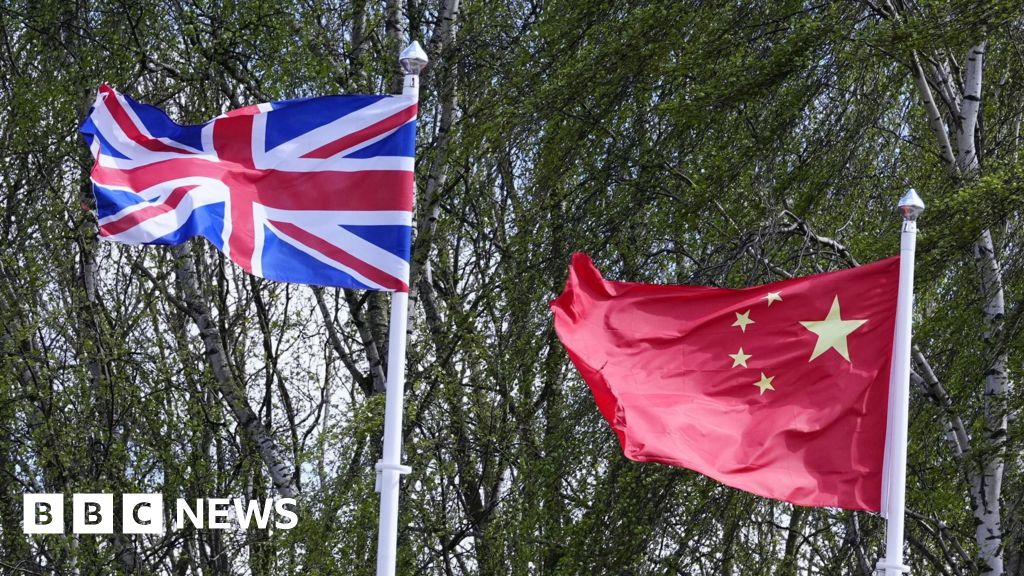
A high-profile UK spy case involving alleged Chinese espionage collapsed, with charges against two individuals dropped due to the Crown Prosecution Service's inability to secure government evidence classifying China as a 'national security threat' during the alleged offenses. This development has ignited a significant political dispute, with the current Labour government, which is actively pursuing closer trade relations with Beijing, facing accusations from the Conservative opposition of deliberately undermining the prosecution to avoid straining diplomatic ties. The controversy underscores evolving geopolitical tensions and the UK's complex foreign policy balancing act between economic engagement and national security concerns regarding China, potentially impacting investor perceptions of UK-China relations and associated market risks.
The high-profile UK spy case against Christopher Cash and Christopher Berry, accused of gathering information prejudicial to the state for China, collapsed due to the Crown Prosecution Service's (CPS) inability to secure government evidence classifying China as a "national security threat" during the alleged 2021-2023 period. Director of Public Prosecutions Stephen Parkinson indicated that witness statements did not meet the required threshold for prosecution, despite initial sufficient evidence, following a new legal precedent.
This collapse has ignited a significant political dispute, with the current Labour government, which has actively sought closer trade ties with Beijing since the last general election, facing accusations from the Conservative opposition of deliberately undermining the prosecution. Prime Minister Starmer has attempted to shift blame to the previous Tory government, while Conservatives allege the PM's national security adviser, Jonathan Powell, may have intervened to protect relations with China.
The controversy highlights the UK's complex foreign policy balancing act between economic engagement with China and national security concerns. Kemi Badenoch's accusation that the PM is "too weak to stand up to Beijing" underscores the perceived tension between trade objectives and security imperatives, potentially signaling a less confrontational stance towards China under the current administration. This dynamic could influence future UK-China relations and associated policy decisions.
The neutral sentiment and low market impact score (0.1) suggest that while the political implications are significant, the immediate, direct market reaction to this specific event is limited. However, the underlying themes of geopolitics, domestic politics, and trade policy indicate broader, long-term considerations for investors regarding the UK's strategic direction.
AI-powered research, real-time alerts, and portfolio analytics for institutional investors.
Request DemoOverall Sentiment
neutral
Sentiment Score
0.00
