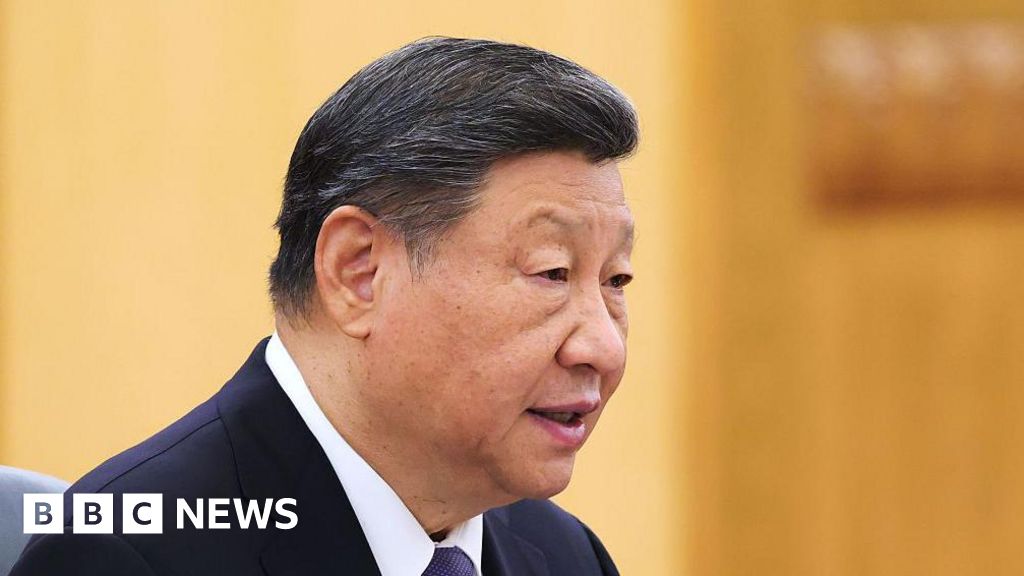
China, alongside Pakistan, unveiled a five-point peace plan seeking a ceasefire and the reopening of the Strait of Hormuz, positioning Beijing as a neutral broker ahead of high-level Sino‑US talks. China is the world's largest crude importer and purchases roughly 80% of Iranian oil, giving it direct economic incentives to avert a protracted energy shock that would raise oil prices and strain global supply chains. The initiative could materially affect energy markets and trade flows if it succeeds, but the outcome and market effects remain highly uncertain.
Market pricing now lives in two scenarios: a near-term diplomatic containment that caps the spike and a low-probability protracted disruption that sends volatility and physical premia sharply higher. If containment happens within 4–8 weeks, historical analogs imply a 20–35% retracement from peak crude ripples as floating storage unwinds and refining cycles normalize; if it fails, the physical premium can add $20–40/bbl within 2–6 months due to rerouted cargoes and higher insurance/dayrates.
Second-order supply-chain stress will show up unevenly: petrochemical and synthetic-fiber margins compress first (rolling through in 1–3 quarters), followed by layered effects on electronics and EV supply chains via higher plastics and transport costs over 3–9 months. Conversely, logistics and storage operators capture outsized cashflows in a spike environment — tanker and terminal dayrates can move multiples faster than upstream project economics.
Politically driven de-escalation has optionality value for risk assets in emerging markets and exporters; a credible diplomatic path reduces the ‘‘risk premium’’ premium embedded in EM FX and industrial equities over a 6–12 month horizon. The counterfactual — a kinetic flare or blockade renewal — is an asymmetric tail: instantaneous price moves with limited immediate marginal supply response and policy-driven interventions (SPR releases, diplomatic oil corridors) that could reverse direction within 60–120 days.
Positioning should therefore favor structures that monetize short-term volatility while preserving upside for a multi-month supply disruption. Focus on instruments with convex payoffs or pair trades that separate commodity upside from industrial/cyclical downside and keep time decay and funding costs explicit in sizing decisions.
AI-powered research, real-time alerts, and portfolio analytics for institutional investors.
Request DemoOverall Sentiment
neutral
Sentiment Score
0.00
