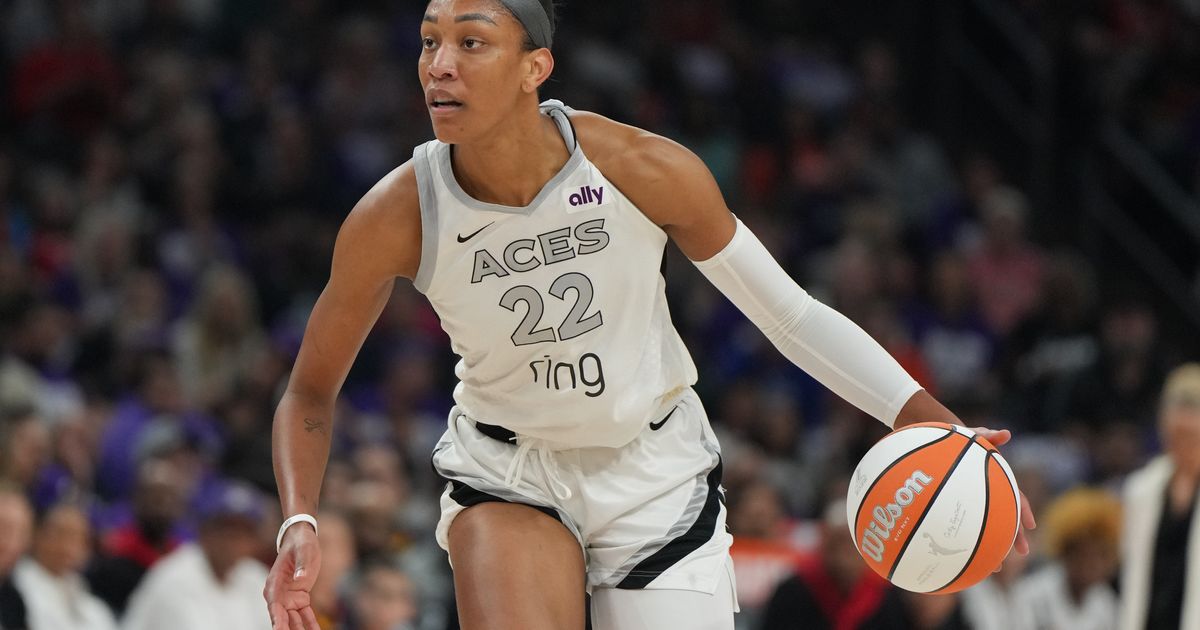
The WNBA's new seven-year CBA raises the salary cap from $1.5 million to $7 million in year one and adds charter flights, first-class travel, and expanded mental health support, marking a major benchmark for women's sports. The article frames the deal as a roadmap for newer leagues such as the WPBL, PWHL, and WER, highlighting stronger player advocacy and rising fan demand. The impact is more thematic than immediate, but it reinforces positive momentum across the women’s sports ecosystem.
The important read-through is not “women’s sports are growing,” but that the monetization stack is moving from proof-of-concept to pricing power. Once one league resets athlete compensation and travel standards, it raises the baseline for every other startup league’s labor negotiations, venue bids, and sponsor expectations; that compresses margins near term but increases category credibility over a 12-36 month horizon. The second-order winner is media rights owners and distributors that can aggregate cross-league inventory cheaply before valuations catch up.
The near-term bottleneck is not fan interest, it is operating leverage. Leagues without a strong anchor partner or billionaire balance sheet will face a slower path because charter travel, better facilities, and higher player pay are fixed-cost commitments that scale only after attendance and media revenue inflect. That creates a barbell outcome: established properties with NBA/NHL-style ecosystem support should compound faster, while standalone leagues are more likely to dilute equity or accept suboptimal financing to bridge the next 2-3 seasons.
The market may be underestimating how early we are in sponsor and media repricing. Brands typically follow audience proof with a lag of 1-2 rights cycles, so the next catalyst is not necessarily viewership alone, but renewal negotiations and expansion announcements that validate unit economics. The contrarian risk is that this becomes a “good story, weak margins” theme if leagues over-expand before media monetization catches up, especially in sports where content is seasonal and live-game inventory is still thin.
For positioning, the cleaner expression is to own the infrastructure beneficiaries rather than the league launches themselves: venues, production, ticketing, and ad-tech should capture spend regardless of which league wins. The biggest mistake would be chasing every headline as if it were immediate revenue; the better trade is to buy the picks-and-shovels now and wait for evidence that women’s sports has moved from attention to recurring cash flow.
AI-powered research, real-time alerts, and portfolio analytics for institutional investors.
Request DemoOverall Sentiment
mildly positive
Sentiment Score
0.35
