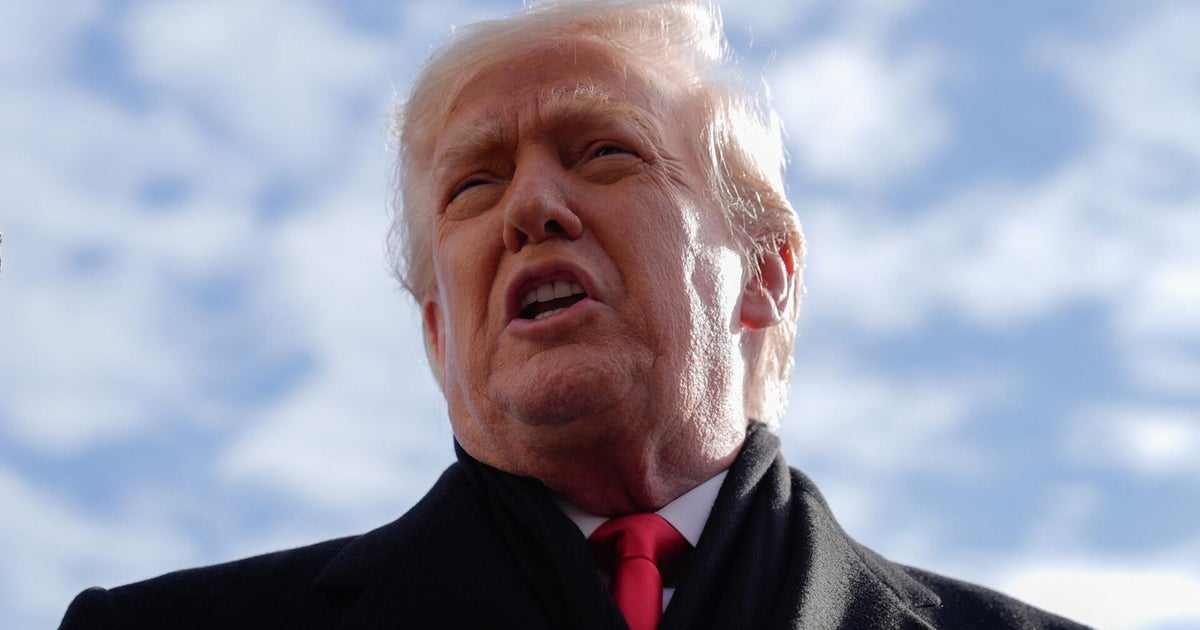
Former President Trump threatened Iran with an attack “far worse” than U.S. strikes in June unless Tehran returns to nuclear negotiations, linking the warning to the deployment of the USS Abraham Lincoln Carrier Strike Group into the CENTCOM area. He characterized the fleet as a large, ready force and invoked a prior operation he called “Operation Midnight Hammer”; Iranian military leaders responded that their forces are ready to confront any attack. The standoff raises the risk of rapid escalation in the Persian Gulf, posing downside risk to regional stability and potential impact on oil markets and defense sector assets should tensions intensify.
Market structure: A credible US naval deployment + public threats materially raise premiums for defense and energy. Direct winners: large defense primes (LMT, NOC, RTX) and oil producers/transporters via higher risk premia; direct losers: airlines (AAL, DAL, UAL), cruise lines (CCL) and regional EM assets exposed to Gulf shipping (Turkish lira, MENA banks). Expect 5–20% re-rating windows in defense and 5–15% intra-month Brent moves if shipping is disrupted (~20% of seaborne oil transits the Strait).
Risk assessment: Tail risks include full-scale Iran conflict, closing of the Strait of Hormuz, cyber retaliation against energy infrastructure, or escalation to Israel — each could push Brent +$20–40/bbl and equities into a >10% shock. Immediate (days): volatility spike, safe-haven flows to USD, gold, Treasuries; short-term (weeks–months): commodity repricing and defense contract repricing; long-term (quarters+): accelerated defense budgets but also higher inflation and supply-chain re-routing. Hidden dependencies: insurance/reinsurance repricing, freight routes, and Chinese crude buying patterns that can blunt price moves.
Trade implications: Favor tactical longs in defense (2–3% positions in LMT/NOC) and convex oil exposure via call spreads (3-month Brent call spread $85/$110) sized 1–2% of portfolio; hedge with 0.5–1% long GLD or TLT for risk-off. Short travel/airline exposure (JETS ETF or short AAL) and consider long-dated IG sovereign bond pairs (long US Treasuries vs short EM local debt) if risk-off persists. Use options to limit drawdowns: buy VIX 30–60 day call spreads if VIX >18.
Contrarian/neglected angles: Consensus will overweight pure oil longs and defense stocks; that reaction can be front-loaded and mean-revert if escalation is limited. Historical parallels (2019–2020 US–Iran skirmishes) show ~10–15% oil spikes retracing within 2–3 months; prefer implied-vol arbitrage (buy spreads, avoid naked directional overweight). Unintended consequence: rapid diplomatic de-escalation would blow up one-way commodity and defense bets — cap position sizes and set de-escalation triggers (diplomatic statements, carrier withdrawal within 30 days).
AI-powered research, real-time alerts, and portfolio analytics for institutional investors.
Request DemoOverall Sentiment
strongly negative
Sentiment Score
-0.70
