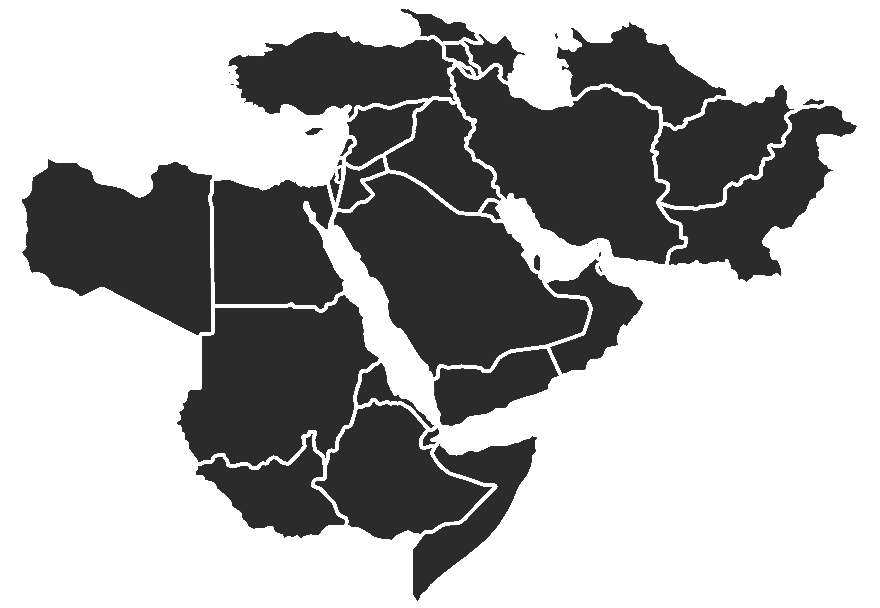
Combined US-Israeli strikes broadened to dual-use pharmaceutical and steel facilities and destroyed the B1 (Bileghan) bridge on Apr 2; Iran launched over 20 missiles at Israel between Apr 1-2. Strikes on steel plants and pharma/biological-linked sites risk degrading Iran's military production capacity and could disrupt regional supply chains and leverage over the Strait of Hormuz. Expect elevated regional escalation risk, risk-off positioning across markets, and upward pressure on oil and insurance/shipping costs over the coming weeks.
A campaign that privileges disruption of industrial and dual‑use nodes shifts the damage vector from transient battlefield attrition to prolonged supply‑chain impairment. Expect repair timelines of 3–12 months for medium‑complexity industrial assets, which will force buyers (regionally and in sanction‑constrained niches) to source from higher‑cost suppliers or pay premia for expedited shipments; that spread is the near‑term margin lever for specialty chemical and upstream capital‑goods vendors.
Reduced mobility for high‑value weapons systems will drive operational workarounds that raise logistics frictions: more staging, more overland trucking and rail, and more dispersed storage. Those adaptations push incremental cost into the enemy’s OODA loop within weeks and create predictable nodes (railheads, transfer bridges, small ports) that markets and adversaries will contest over the next 1–3 months.
Simultaneous pressure on command nodes degrades synchronized mass‑salvo capability for a material but finite window (we model 4–12 weeks of reduced coordinated launches) while increasing asymmetric, lower‑signature attacks by proxies that favor drones, FPV systems, and sea harassment. That tilts insured losses and short‑duration disruption risk to shipping, energy transit, and crewed logistics — a higher probability of episodic spikes rather than sustained structural shocks.
For markets, defense primes and munitions suppliers are the clean asymmetric beneficiaries over 3–9 months as inventory replenishment and accelerated procurement orders convert into revenue; energy price tail risk is concentrated in the next 2–6 weeks around potential strikes on energy nodes and chokepoints; and P&I/reinsurance pricing is the multi‑quarter trade to watch as carriers reprice war‑risk exposure. Key catalysts: intensity of operations, public repair estimates from damaged industrial assets, and a measurable uptick in proxy attacks on shipping lanes.
AI-powered research, real-time alerts, and portfolio analytics for institutional investors.
Request DemoOverall Sentiment
strongly negative
Sentiment Score
-0.80
