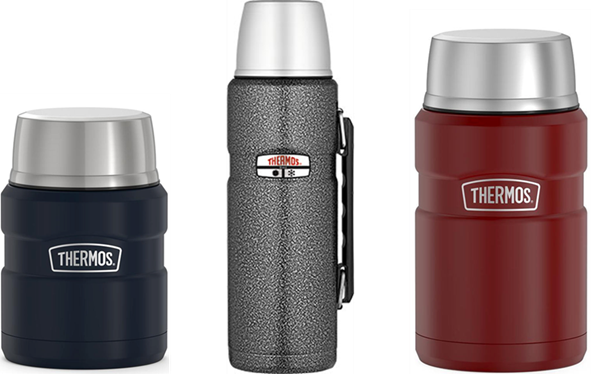
Thermos is recalling about 8.1 million food jars and beverage bottles due to a stopper defect that can eject forcefully when opened, creating impact and laceration hazards. The CPSC said Thermos has received 27 injury reports, including cases requiring medical attention and three permanent vision loss incidents. Consumers are being offered free replacements or returns depending on the model, while the recall adds reputational and liability risk for Thermos L.L.C.
This is a brand-damage event for any premium insulated food-storage franchise, but the more material second-order effect is likely channel friction rather than immediate revenue loss. A recall of this scale creates weeks to months of returns, customer-service costs, and retailer scrutiny; that tends to pressure sell-through for the entire category as consumers defer purchases and retailers lean harder on vendor allowances and chargebacks. If Thermos has meaningful shelf presence at mass and outdoor accounts, expect competitors with similar form factors to capture short-term share through in-store reset decisions and e-commerce ranking gains. The most important near-term risk is litigation and remediation optics, not the direct replacement cost. The permanent-vision-loss detail raises the probability of attorney-driven class actions and punitive settlement language, which can keep the issue alive for 12-24 months even after the physical remedy is completed. Because the failure mode is related to a design feature, not an isolated manufacturing defect, the company may need broader engineering review across adjacent SKUs, increasing the chance of preventive recalls or redesign delays. I would be cautious on any business with a concentrated private-label or branded insulated-container exposure, especially if margins rely on premium pricing and repeat purchases. The contrarian point is that recalls can actually accelerate category consolidation: smaller players often cannot absorb remediation and legal costs, so the leading incumbent with the deepest balance sheet may regain share once the headline risk fades. That said, the initial reaction is usually underpriced for the downstream retail and legal drag, while the eventual recovery tends to take longer than the market expects. From a market-impact standpoint, this is a low-beta event, but it is directionally bearish for consumer-durable brands with safety-sensitive product lines. The cleanest expression is relative-value: short the most exposed branded kitchen/outdoor consumer names on any strength, versus broad consumer staples or a diversified retailer basket that can absorb minor category disruption.
AI-powered research, real-time alerts, and portfolio analytics for institutional investors.
Request DemoOverall Sentiment
strongly negative
Sentiment Score
-0.55
