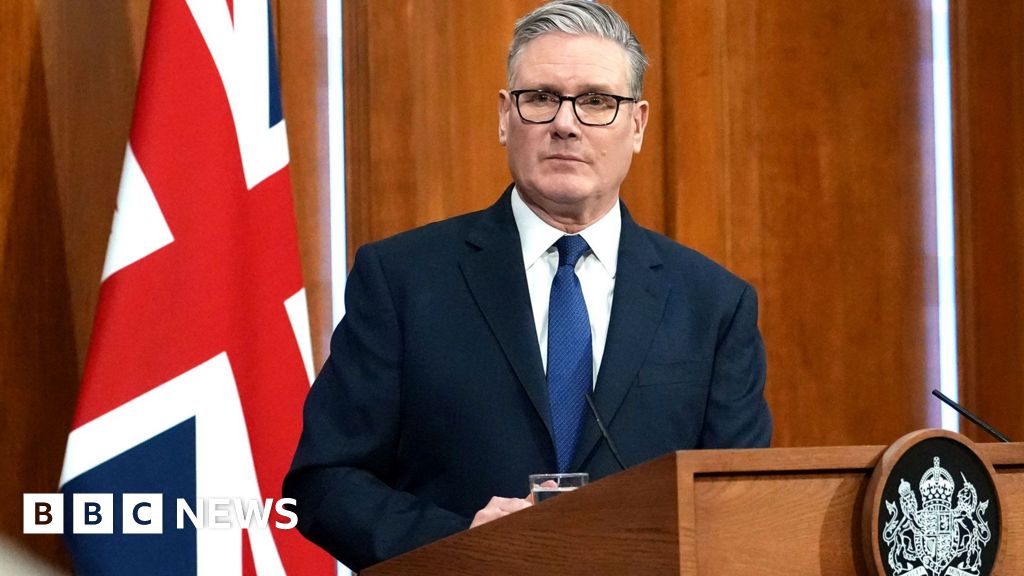
Prime Minister Keir Starmer will push for closer economic and security cooperation with the EU at a UK‑EU summit this summer and is hosting 35 nations to discuss reopening the Strait of Hormuz after Iran effectively blocked it. The OECD warns the UK faces the largest hit to growth among major economies, and rising wholesale oil and gas prices risk a material jump in household energy bills when the price cap is reset in July. The government is implementing near‑term measures (removal of some green levies, higher national living wage) but broader household support and the scheduled fuel duty change (set until September) remain under review.
Commodity-risk transmission is the dominant channel to UK macro and markets: with inventories tight, even a 0.5–1.0 mb/d effective supply disruption can add ~$5–10/bbl to Brent in the near term, which cascades through refined product spreads and raises winter-forward power curve by 10–20% within 3–6 months. That magnitude of commodity shock compresses household real incomes and forces either fiscal transfers or mandate changes to regulated retail tariffs, creating a binary political/fiscal catalyst window around the mid-year tariff reset and the summer UK–EU summit.
A pivot toward deeper UK–EU cooperation reduces non-tariff frictions (customs paperwork, logistics delays) — an incremental 2–5% reduction in cross-border friction for goods trade would materially boost margins for manufacturing exporters and logistics operators within 12–24 months, while also lowering working-capital drag (days inventory and receivables) for SMEs integrated into EU supply chains. Conversely, consumer-facing domestic names and discretionary retailers are the asymmetric losers: profit pools get squeezed first via higher energy input and second via slower wage-adjusted demand.
Policy cross-currents create tradable dispersion: defence and infrastructure suppliers should capture elevated multi-year spending while domestic utilities and suppliers face a short-term political risk of capped pass-through or direct subsidies, which would tilt fiscal deficits and pressure real yields. Key near-term catalysts to monitor are (1) the trajectory of Brent and refined product cracks over the next 30–90 days, (2) announcements from the summer UK–EU summit that change trade-friction assumptions, and (3) any fiscal package sizing ahead of the tariff reset — each can reverse positions quickly if diplomatic de-escalation or large SPR releases occur.
AI-powered research, real-time alerts, and portfolio analytics for institutional investors.
Request DemoOverall Sentiment
mildly negative
Sentiment Score
-0.25
