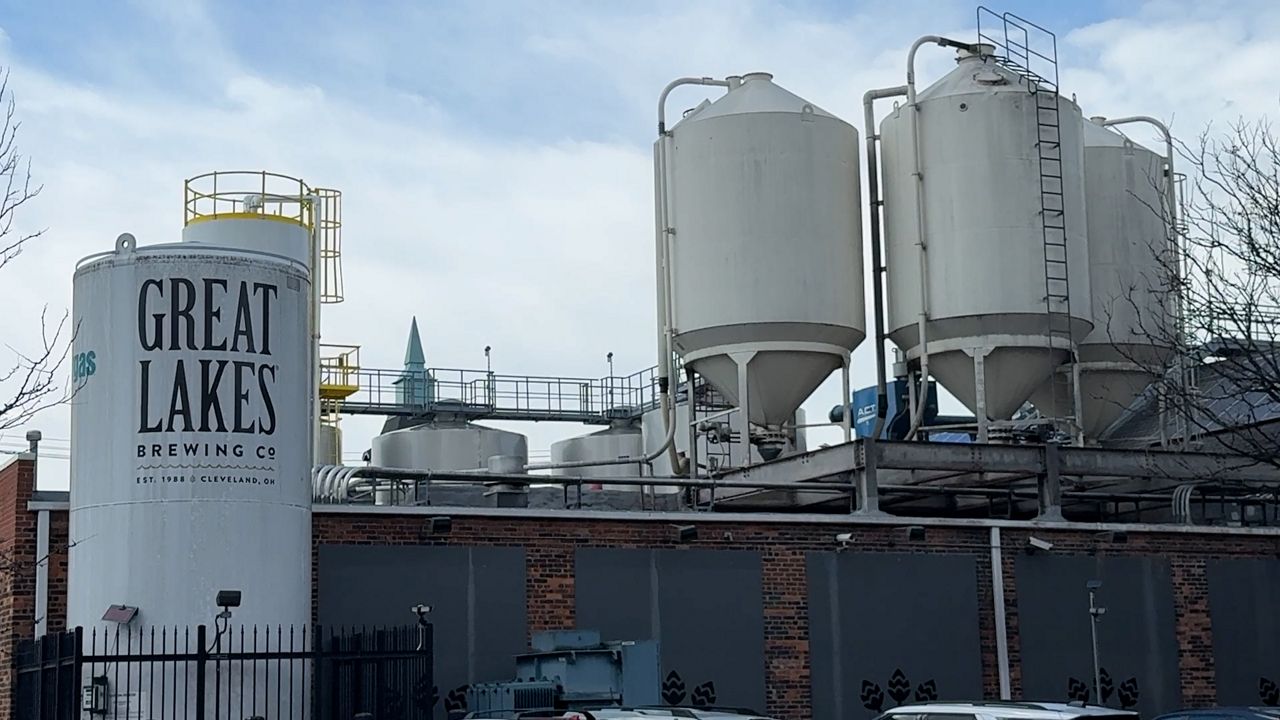
Senate Bill 56, now in effect in Ohio, outlaws intoxicating hemp/THC beverages outside approved dispensaries, halting local production and retail sales of THC-infused drinks. Craft brewers such as Great Lakes Brewing (which had produced THC drinks and sold into 22 states, including 9 states it still served) and Saucy Brew Works report meaningful revenue disruption, inventory relocation to Indiana, and industry coalition activity (13 breweries, >13,000 supporters) pushing for an override amid warnings of job losses and 'millions of dollars' in economic impact.
A targeted state-level regulatory pullback creates a classic production-shift externality: manufacturers that cannot legally produce an item in-state will push incremental volume into out-of-state co-packers and canning lines, materially raising near-term utilization for packaging suppliers and contract fillers. Expect a concentrated 4-12 week wave of reallocation where co-packer pricing power can rise 10-30% on incremental spot volumes while logistics and cross-border compliance costs compress craft brewer margins.
Smaller producers with narrow SKU economics are most exposed to a 10-30% revenue shock that translates into immediate cash-flow pressure and forces short-term prioritization of core SKUs over innovation. That creates a two-sided market outcome: (1) increased bargaining power and incremental revenue for can/packaging manufacturers and regional co-packers, and (2) accelerating M&A or capacity-sharing among small brewers as marginal players either exit or outsource production permanently.
Political reversal remains the primary binary catalyst: a legislated reinstatement would create a sharp snap-back in demand concentrated at producers who retained formulations and supply chains, producing meaningful short-term volatility (30–90 days). Absent reversal, the durable outcome is a reallocation of manufacturing footprints and a modest structural tailwind for national alcohol incumbents and packaging equipment suppliers over the next 6–18 months.
AI-powered research, real-time alerts, and portfolio analytics for institutional investors.
Overall Sentiment
moderately negative
Sentiment Score
-0.35
