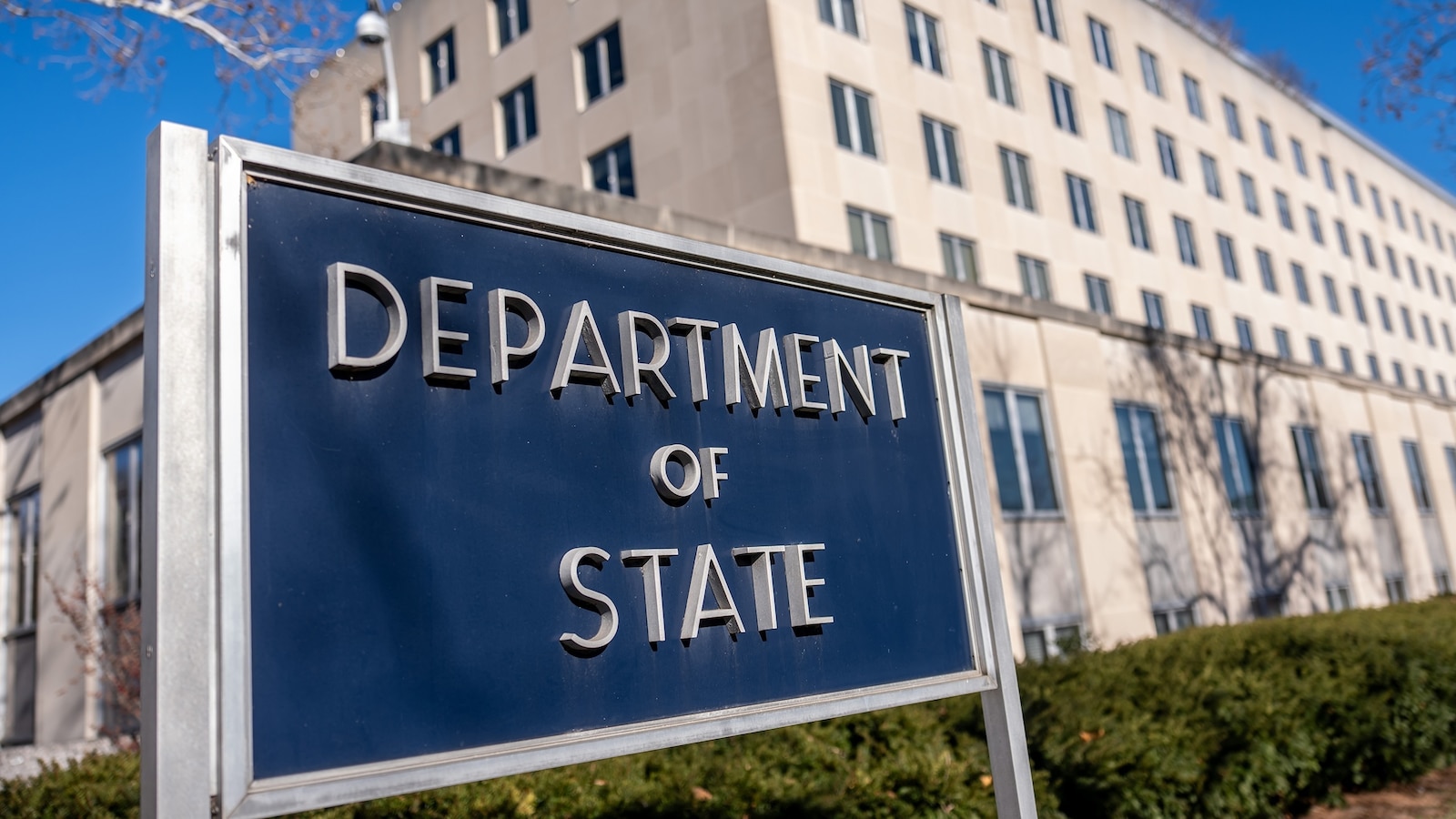
The State Department will pause immigrant visa processing for nationals of 75 countries beginning Jan. 21 while it re-evaluates vetting under the 'public charge' provision, citing countries including Somalia, Russia, Afghanistan, Brazil, Iran, Iraq, Egypt, Nigeria, Thailand and Yemen. The directive, tied to a broader Trump administration crackdown that includes ending TPS for Somalis and heightened consular screening, may cause diplomatic friction and operational disruption for travel, remittances and labor flows but is unlikely to move broad markets materially in the near term beyond targeted impacts on travel-related and labor-sensitive sectors.
Market structure: Winners are firms that can substitute immigrant labor with remote/contract work and staffing firms that can fill short-term gaps (e.g., MAN). Losers are regional homebuilders (PHM, DHI, LEN), local service providers in immigrant-heavy metros, and community banks with concentrated deposits in those communities (e.g., USB, ZION) because a pause in immigrant visas reduces future household formation and remittance flows by a measurable but modest amount over 12–36 months. Cross-asset: expect near-term pressure on affected EM FX (BRL, NGN, EGP) and sovereign bonds; slight USD safe-haven bid and marginal flattening in US rates if regional credit concerns rise.
Risk assessment: Tail risks include: (1) legal injunctions reversing the pause within 30–90 days, (2) reciprocal diplomatic/visa responses from affected countries within 3–6 months, and (3) a political escalation that triggers tighter sanctions or trade frictions—each could amplify market moves by 5–15% in niche names. Immediate operational disruption is days–weeks at consulates; hiring/relocation and corporate HR impacts materialize over 1–6 months; demographic demand shifts take 1–3 years. Hidden dependency: corporate hiring budgets (tech/healthcare) assume steady immigration — stop-gap delays can cause underspend and margin pressure.
Trade implications: Favor small, hedged positions: short 1–2% of portfolio in homebuilders (PHM, DHI) via 3–6 month put spreads sized to risk 0.5% portfolio; pair with a 1% long in staffing (MAN) to profit from reallocation. Reduce concentrated exposure to regional banks with heavy local immigrant customer bases (trim USB/ZION by 1–2%, reallocate to large-cap banks like JPM). FX trade: small (0.5% NAV) long USD/BRL and USD/NGN spot or forwards for 3–6 months with stop-loss at 3% adverse move.
Contrarian angles: The market may overprice permanence — this is an administrative pause likely to see legal and political pushback; historical parallels (2017 travel restrictions) caused short-lived volatility but limited long-term structural damage. Mispricings: a knee-jerk >5–10% sell-off in regional banks or builders is a buy-with-protection opportunity; unintended consequence: tighter labor supply could boost wages and short-term demand for staffing/automation vendors (MAN, PAYC) and increase capex in automation, creating asymmetric opportunities for long positions in staffing/automation names over 6–18 months.
AI-powered research, real-time alerts, and portfolio analytics for institutional investors.
Request DemoOverall Sentiment
moderately negative
Sentiment Score
-0.25
