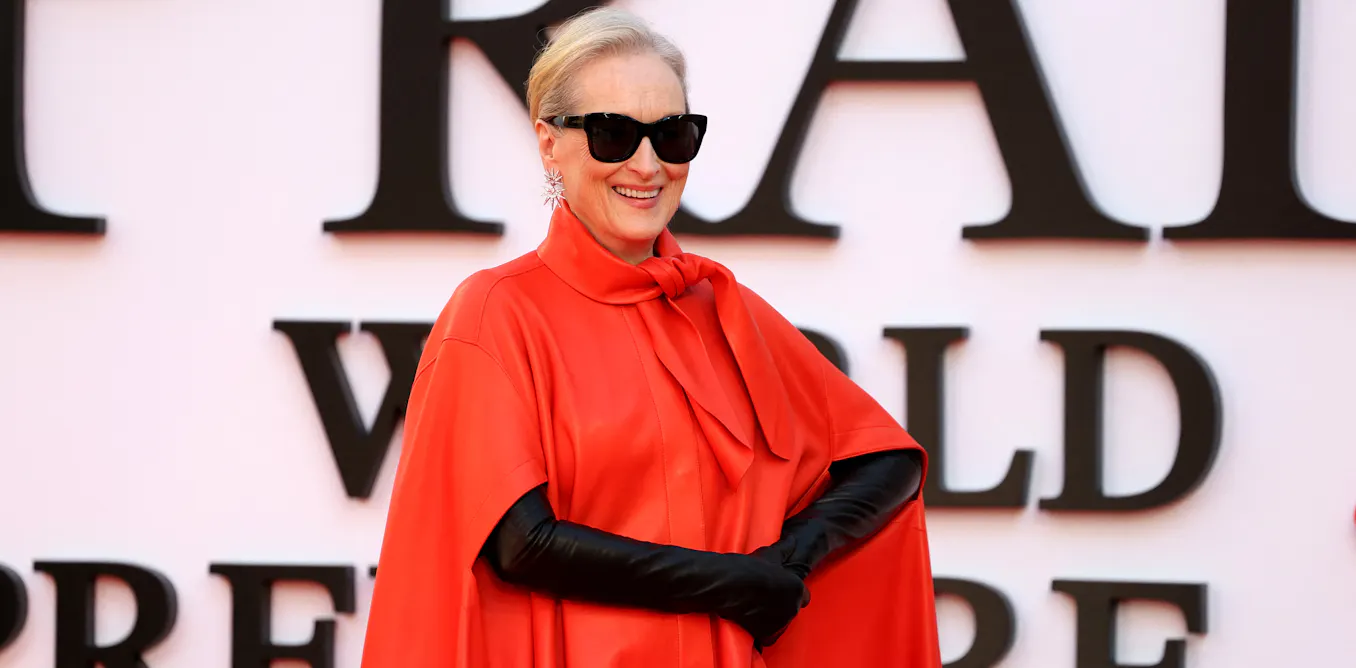
The article argues that Christianity has long influenced fashion, from 18th-century modest dress norms to modern runway collections and advertising campaigns. It highlights examples including Versace’s 1991 Marian halter, Dolce & Gabbana’s repeated Christian-themed collections, and YesuGod’s 2026 luxury Christian fashion showcase. The piece is largely cultural and historical analysis rather than market-moving news, with no direct financial figures or immediate implications for listed companies.
This is not a single-stock catalyst, but it is a useful read-through on how luxury brands monetize semiotic shock: religious iconography has evolved from occasional provocation into a repeatable traffic generator. The second-order effect is that the winners are not only the heritage houses doing the actual designs, but also the ecosystem that converts controversy into engagement — premium media, fashion platforms, and celebrity-driven PR agencies that benefit from higher earned impressions and longer content shelf life.
The more interesting competitive dynamic is between legacy luxury and fast-fashion copycats. When a house normalizes a symbol-set like Marian or clerical references, the viral halo is quickly translated into lower-price dupes, which compresses the originality premium over a 1-2 season horizon. That favors brands with stronger distribution control and brand equity, while weaker labels may see short-lived social buzz without full-price sell-through.
From a risk standpoint, the main tail event is cultural backlash or retailer pullback if religious imagery is interpreted as disrespectful rather than fashion-forward. That risk is asymmetric because the upside from controversy accrues immediately, while the downside — boycott, negative press, or wholesale cancellations — can emerge over weeks to months if the theme is pushed too far. The contrarian read is that the market may underappreciate how “safe” sacred iconography has become versus overtly transgressive motifs; the trend is less about blasphemy and more about packaged spirituality, which is commercially durable.
Net: the signal is supportive for brands and media franchises that can consistently engineer spectacle, but it is not broadly bullish for the entire apparel complex. The better expression is to own platforms that monetize cultural conversation rather than the thematic apparel itself, unless the brand has demonstrated an ability to convert attention into sustained full-price demand.
AI-powered research, real-time alerts, and portfolio analytics for institutional investors.
Request DemoOverall Sentiment
neutral
Sentiment Score
0.05
