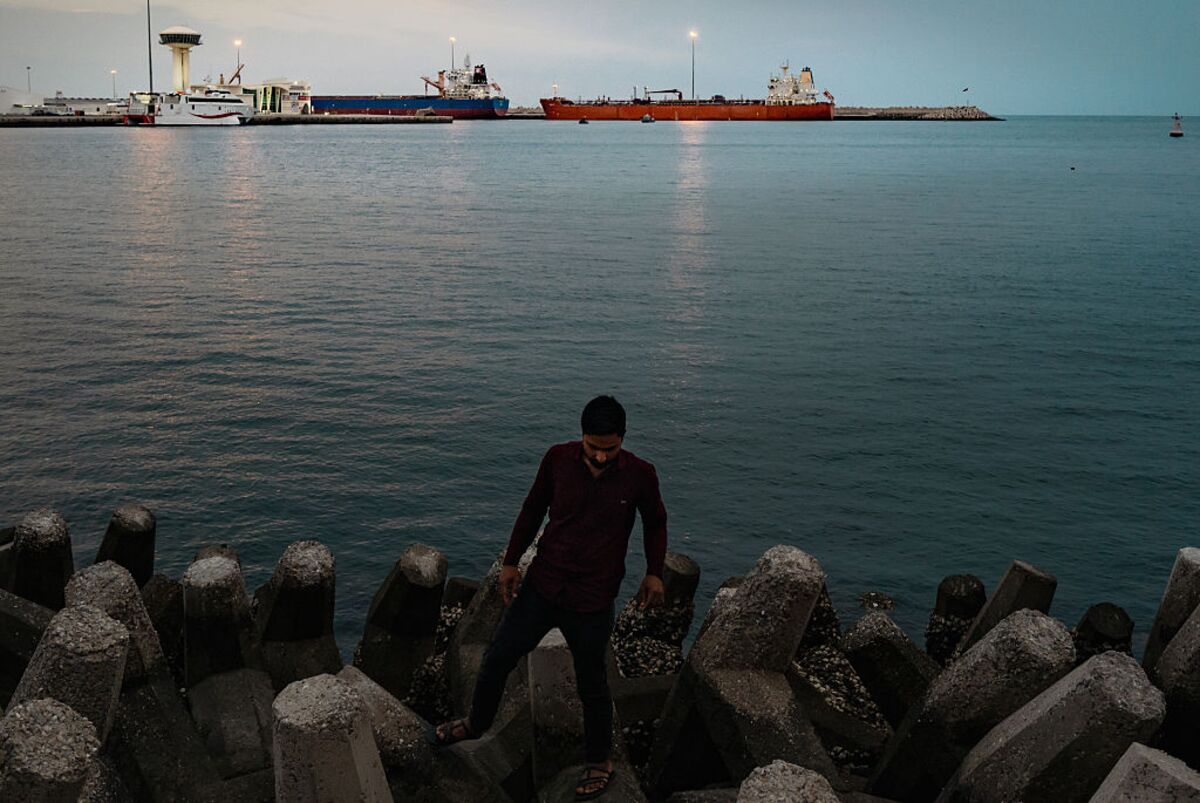
The conflict is now centered on control of the Strait of Hormuz, as Iran moves to legislate a permanent 'toll booth' while the U.S. deploys a small ground force to the Persian Gulf, increasing the risk of prolonged disruption to oil shipments and global trade. Negotiations framed to calm markets amounted to mutually unacceptable demands, leaving few viable U.S. options and elevating geopolitical risk for energy, shipping and risk assets.
Market reaction is appropriately risk-off but is over-indexed to an immediate choke-point scenario; a persistent ‘‘toll/harassment’’ regime is more likely than a permanent closure and that produces a multi-channel inflation of costs rather than a one-off supply shock. Expect war-risk insurance and freight rates to reprice first — incremental shipping and insurance premia of 20–100% would lift delivered crude/LNG costs to Asia and Europe within weeks and compress refinery margins unevenly across hubs. Over 1–3 months a sustained premium on tanker rates and a 5–15% effective reduction in seaborne throughput would typically widen Brent vs inland crudes and increase spot volatility by 30–60% vs the prior year. Over 6–24 months the structural response (faster pipeline builds, Indian/Chinese spot storage additions, and longer-term contracting away from Gulf routes) will mute price spikes but permanently raise logistics cost bases and reshape trading flows.
Second-order winners include flexible midstream/storage owners and VLCC/time-charter equity lessors who capture higher freight and storage spreads; losers are Asian refiners lacking crude oil swap lines, short-cycle ETFs that track daily WTI (not Brent), and insurers with unhedged war-exposure. Defense and mercantile-security services will see elevated revenue visibility for 6–24 months, while commodity hedgers will face higher basis risk — the usual crude hedge now needs an explicit freight/insurance leg. Geopolitical catalysts to watch: credible diplomatic de-escalation (days–weeks), Iranian legislative entrenchment of toll mechanics (weeks–months), and any strike on tankers that forces physical closures (tail event) — each maps to discrete payoff profiles for oil, freight and defense exposures.
Consensus misses the most investable nuance: the market is pricing physical scarcity when the more permanent exploitable profit is in the logistics/insurance/defense chain. If you believe closure probability is <30% but tolls persist, premium capture in freight/time-charter and short-duration Brent option strategies offers asymmetric returns versus pure oil longs. Conversely, if closure risk is >30%, cheap long-dated Brent calls and select E&P producers with immediate export flexibility will pay off; position sizing should reflect binary payout potential and the high correlation shock across risk assets in the first 30 trading days.
AI-powered research, real-time alerts, and portfolio analytics for institutional investors.
Request DemoOverall Sentiment
strongly negative
Sentiment Score
-0.70
