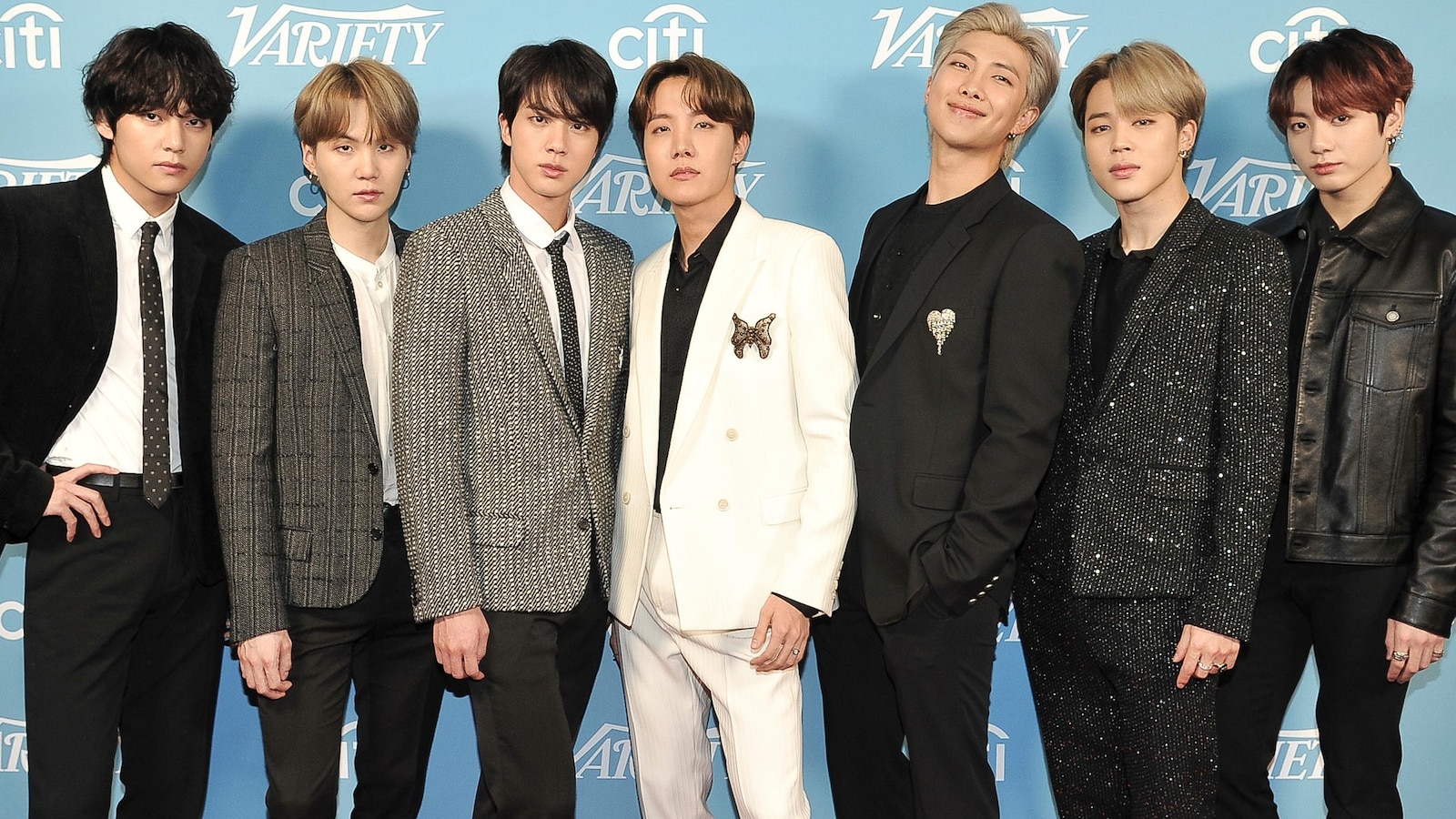
BTS will officially return on March 20, 2026, ending an almost four-year hiatus after all seven members completed South Korea’s mandatory military service (Suga completed social service in June 2025). BigHit Music says the group began work on a spring 2026 group album in July 2025 and has teased a world tour, creating near-term commercial catalysts—album sales, touring and merchandise—following their last anthology release in 2022 ('Proof') and the group's most recent studio album in 2020 ('Be').
Market structure: BTS’s March 20, 2026 comeback is a concentrated demand shock for live events, streaming, merchandising and travel. Direct winners include HYBE (Korean parent; ticker 352820.KS), global concert promoter Live Nation (LYV), streaming platforms (SPOT, AAPL) and KPOP ETF (KPOP); expect promoters and ticketing to see revenue uplifts concentrated in 2Q–4Q 2026, plausibly +5–15% quarter-over-quarter in tour windows. Losers are smaller domestic-only labels and any venue/ticketing platforms with weak international routing ability that lose market share or margin to large, vertically integrated partners.
Risk assessment: Tail risks include band controversy, tour cancellations, Chinese market access restrictions or Korean regulatory crackdowns on ticket resale—each could erase anticipated revenue and trigger >30% downside in HYBE or promoter names short-term. Immediate effects will concentrate around announcement/pricing and presales (next 0–8 weeks); medium-term (3–9 months) depends on album/chart performance and tour routing; long-term (12–36 months) depends on sustained streaming/merch income and licensing. Hidden dependencies: revenue shares with promoters/venues, FX exposure to KRW receipts, and third-party merchandising/licensing contracts.
Trade implications: Direct plays—establish sized exposure to HYBE and LYV ahead of presale windows and album release; use call spreads to cap cost and define risk. Pair trades—long HYBE (global IP/merch) vs short smaller Korean labels lacking global tour capability. Options—buy 2–3 month call spreads into March and transition to short premium 2–4 weeks post-release if realized volatility spikes. Sector rotation—overweight Travel & Leisure (airlines, hotels on tour routes), Consumer Discretionary (apparel/licensing) for next 6–18 months.
Contrarian angles: Consensus likely prices a sizeable pop; downside is that much of BTS’s near-term economics are split with promoters and local partners, so EPS upside for HYBE may be more muted than headline revenue. Historical parallel: blockbuster tours (e.g., Taylor Swift) boosted promoters and local economies but returns to label equities were uneven and mean-reverted after initial quarters. Unintended consequences include regulatory caps on resale or artist pay reforms reducing margins—price those as 10–30% downside tail events for equity positions.
AI-powered research, real-time alerts, and portfolio analytics for institutional investors.
Request DemoOverall Sentiment
mildly positive
Sentiment Score
0.35
