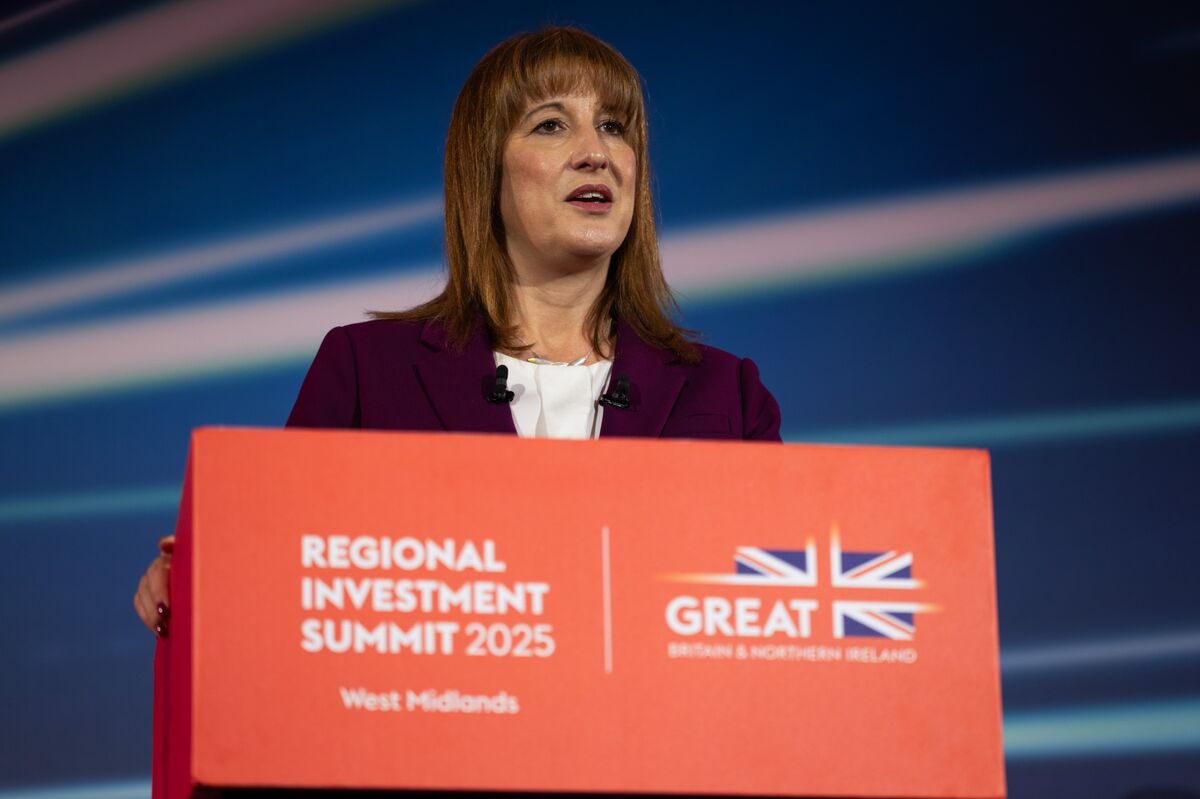
UK Chancellor Rachel Reeves could realize significant savings of up to £4.5 billion on the upcoming November budget, driven by a recent sharp decline in UK government borrowing costs. This potential saving, estimated by Bloomberg Economics, is contingent on the timing of the Office for Budget Responsibility's debt-interest forecast window, with a £2 billion saving if the window closed immediately.
The UK government is poised to realize significant savings on its upcoming November budget, driven by a sharp decline in borrowing costs over the past week. Bloomberg Economics estimates these potential savings could reach £4.5 billion ($6 billion) if the Office for Budget Responsibility (OBR) were to open its 10-day data collection window today and current market pricing persists. Even if the window closed immediately, the saving would still be a substantial £2 billion, highlighting the immediate fiscal benefit.
This potential fiscal windfall, stemming from lower debt-interest payments, offers Chancellor Rachel Reeves considerable flexibility ahead of the budget. The precise timing of the OBR's data collection window is critical, as it directly impacts the final realized savings, which are contingent on sustained low yields. This development is strongly positive for the UK's fiscal outlook, as indicated by the 0.75 sentiment score.
The sharp fall in UK government borrowing costs reflects broader movements in credit and bond markets, directly impacting sovereign debt management. Sustained lower yields reduce the cost of servicing the national debt, potentially easing pressure on public finances. This scenario could lead to either increased spending capacity or reduced borrowing requirements, influencing future gilt issuance and market dynamics.
AI-powered research, real-time alerts, and portfolio analytics for institutional investors.
Overall Sentiment
strongly positive
Sentiment Score
0.75
