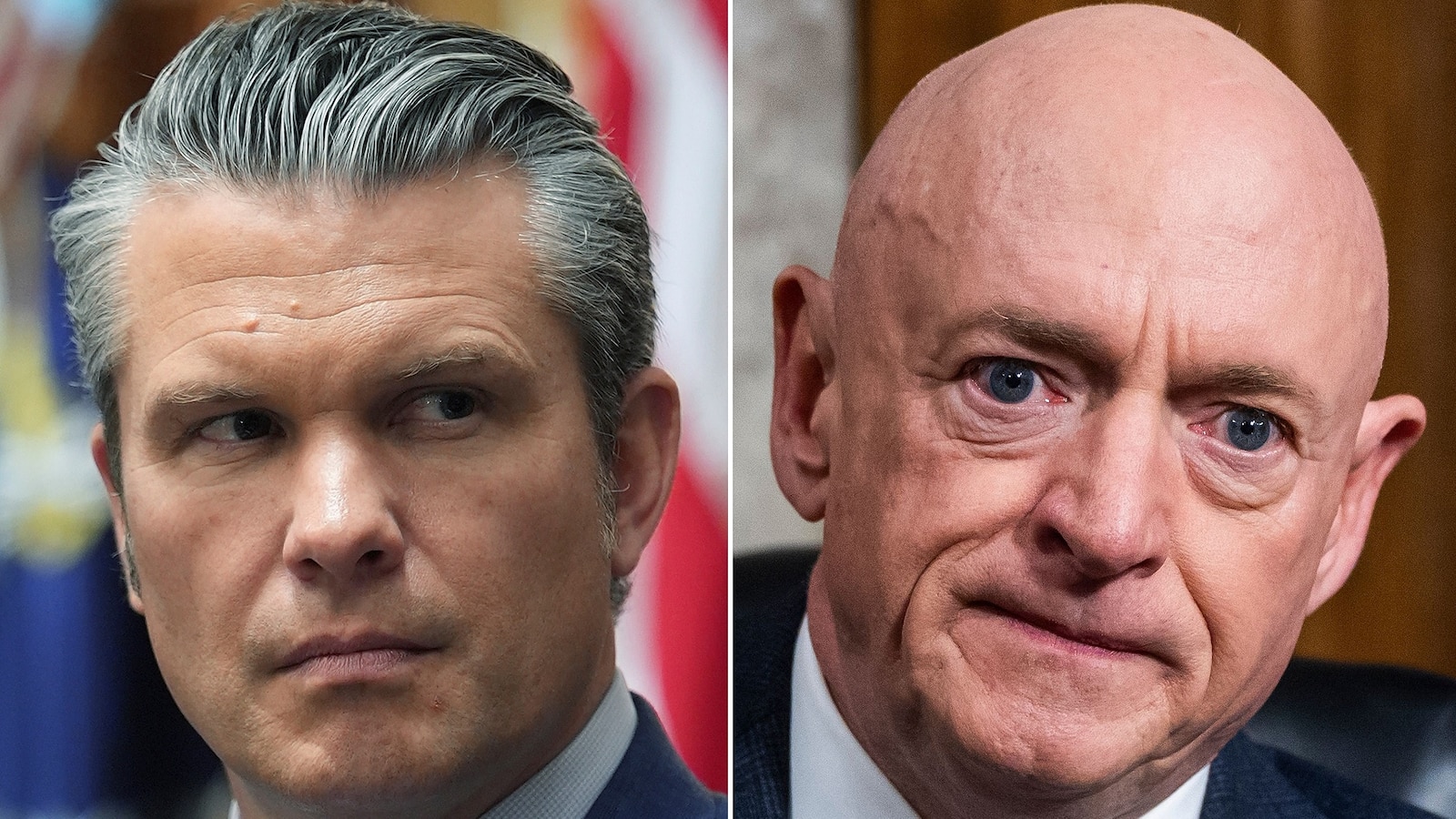
Sen. Mark Kelly, a retired Navy captain and former astronaut, is seeking a preliminary injunction to block Defense Secretary Pete Hegseth from demoting him and reducing his military retirement benefits over a video urging troops not to follow illegal orders. In a closed hearing, Judge Richard J. Leon pressed Justice Department lawyers for legal precedent for such Pentagon actions and said he aims to rule by Feb. 11; the administration argues retired officers do not have the same free-speech protections and that Kelly has not exhausted administrative remedies. The dispute centers on First Amendment rights of veterans and separation-of-powers limits on military personnel actions, and could set a legal precedent for how the government disciplines retired service members who enter public political debate.
Market structure: The case is a legal/political shock with limited direct corporate impact but asymmetric effects within defense-related markets. Winners in a short-term risk-off would be large-cap, cash-rich defense primes (LMT, NOC, RTX, GD) that can absorb procurement delays; losers are small-cap suppliers and boutique contractors dependent on steady contract flow (XAR constituents). Competitive dynamics could temporarily shift share toward primes if administrative reviews delay awards by 1–3 months, increasing pricing power for firms with backlog and liquidity. Cross-asset: expect small Treasury bid and modest gold bids if the dispute escalates politically; options implied volatility on defense names should spike around key dates (Feb 11 injunction decision) by +20–40% relative to baseline.
Risk assessment: Key tail risk (low prob/high impact) is a court precedent empowering DoD to strip retired ranks broadly, provoking mass litigation and legislative intervention that could re-price reputational and regulatory risk for defense contractors. Time horizons: immediate (days) — IV and headline-driven knee-jerks; short-term (weeks–months) — procurement timing risk and congressional scrutiny; long-term (quarters–years) — potential statutory clarifications or limits on DoD authority. Hidden dependencies include DoD leadership turnover, midterm Congressional composition, and appeals timing. Catalysts to watch: Feb 11 preliminary injunction ruling, DC Circuit appeals, and Congressional hearings within 60–120 days.
Trade implications: Favor tactical overweight to large-cap defense primes on headline-driven dips: target entries on 3–8% pullbacks with 6–12 month upside of 8–12% based on enduring defense budgets. Use pair trades to express relative strength (long LMT, short XAR) to isolate scale premium. Options: deploy defined-cost bullish call spreads (3-month) on NOC/LMT if IV inflates post-ruling; allocate 1–2% portfolio to Treasury/gold hedges if VIX >20 or S&P500 futures drop >1.5% at the Feb 11 event. Limit exposure sizes to 1–2% per ticker to control event risk.
Contrarian angles: The consensus treats this as niche political theater; markets often overreact to politicization without changing appropriation-level defense spending — historical parallels (2018–2021 DoD controversies) show <5% transitory moves reversed in 2–8 weeks. Missing is the chance that a government loss will trigger legislative protections for retirees, which would reduce long-term political risk for primes and be a positive catalyst. Unintended consequence of the other outcome (broad DoD powers) is heightened contractor legal risk and reputational premium — justify hedges rather than outright directional bets.
AI-powered research, real-time alerts, and portfolio analytics for institutional investors.
Request DemoOverall Sentiment
neutral
Sentiment Score
0.00
