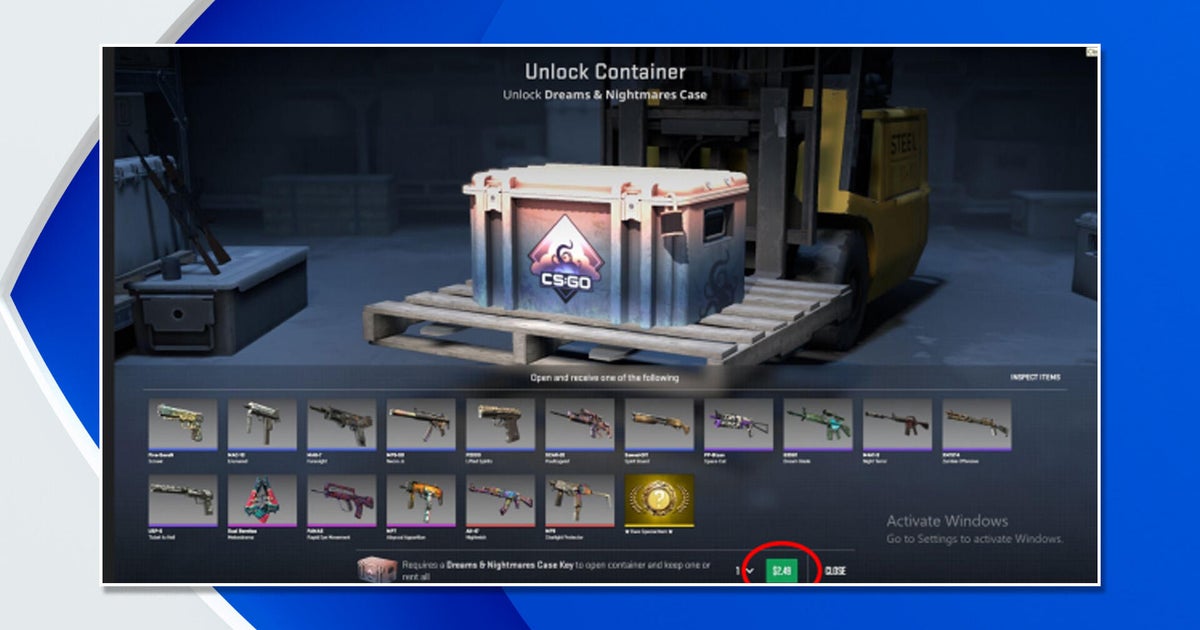
New York Attorney General Letitia James has filed suit against Valve alleging its loot-box mechanics constitute illegal gambling, saying Valve has monetized games like Counter-Strike 2, Team Fortress 2 and Dota 2 through chance-based purchases whose rare virtual items can be exchanged for real money. The complaint cites a single skin sale exceeding $1 million in 2024 and a reported Counter-Strike skin market of more than $4.3 billion in March 2025, alleges Valve facilitates secondary-market sales and links the system to increased account-hacking and fraud, and seeks to stop the practice under state law. The case raises regulatory, legal and reputational risk for Valve and could prompt scrutiny of similar monetization models across the gaming industry, with potential implications for in-game revenue streams and marketplace operations.
Market structure: This lawsuit shifts economic risk from a single private operator (Valve) onto the wider free-to-play/live-service ecosystem — public publishers that derive meaningful revenue from randomized monetization (estimate: companies with >5% revenue from gambling-like mechanics) face potential 5–25% EBITDA downside if bans broaden. Winners include subscription-first platforms (MSFT Game Pass) and publishers that sell fixed-price cosmetics; losers are firms with heavy skin marketplaces or third-party trade-enabled ecosystems. Expect short-term share-volatility for gaming equities and a longer re-pricing of multiples for firms exposed to loot-box revenues.
Risk assessment: Tail risks include multi-state or federal injunctions, large civil fines (>$500M for large publishers aggregated), or forced marketplace shutdowns that could eliminate secondary market liquidity; these are low-probability but high-impact over 6–24 months. Immediate (days) risk = headline-driven IV spikes; short-term (weeks–months) = regulatory inquiries and platform policy changes; long-term (quarters–years) = structural monetization shifts and migration to subscriptions or crypto-based markets. Hidden dependencies: payment processors, escrow/third-party marketplaces, and esports betting platforms could transmit losses across fintech and exchanges.
Trade implications: Tactical trades include buying protection on gaming baskets (buy 3-month put spreads on HERO) and short-biased option exposure to publishers with known randomized monetization (EA, ATVI, TTWO) sized small (1–2% portfolio each) using 3–6 month 25–35 delta puts. Rotate modestly into MSFT (2–3% overweight) and cybersecurity names (CRWD, OKTA 1–2% each) to capture subscription/network effects and increased account-security demand. Time entry on IV-rich pullbacks or within 30–90 days of new regulatory filings to optimize option pricing.
Contrarian angles: The market may overstate contagion — Valve is private and legal outcomes in NY historically take 6–18 months; many publishers will pivot to fixed-price cosmetics or better disclosure rather than suffer permanent revenue loss. Historical parallels: Belgium’s loot-box restrictions caused short-term top-line hits but firms recouped via direct sales within 12–24 months. Unintended consequences include accelerated adoption of regulated centralized marketplaces or crypto tokenization that could re-monetize value to different counterparties (benefitting infra/blockchain plays).
AI-powered research, real-time alerts, and portfolio analytics for institutional investors.
Request DemoOverall Sentiment
moderately negative
Sentiment Score
-0.45
