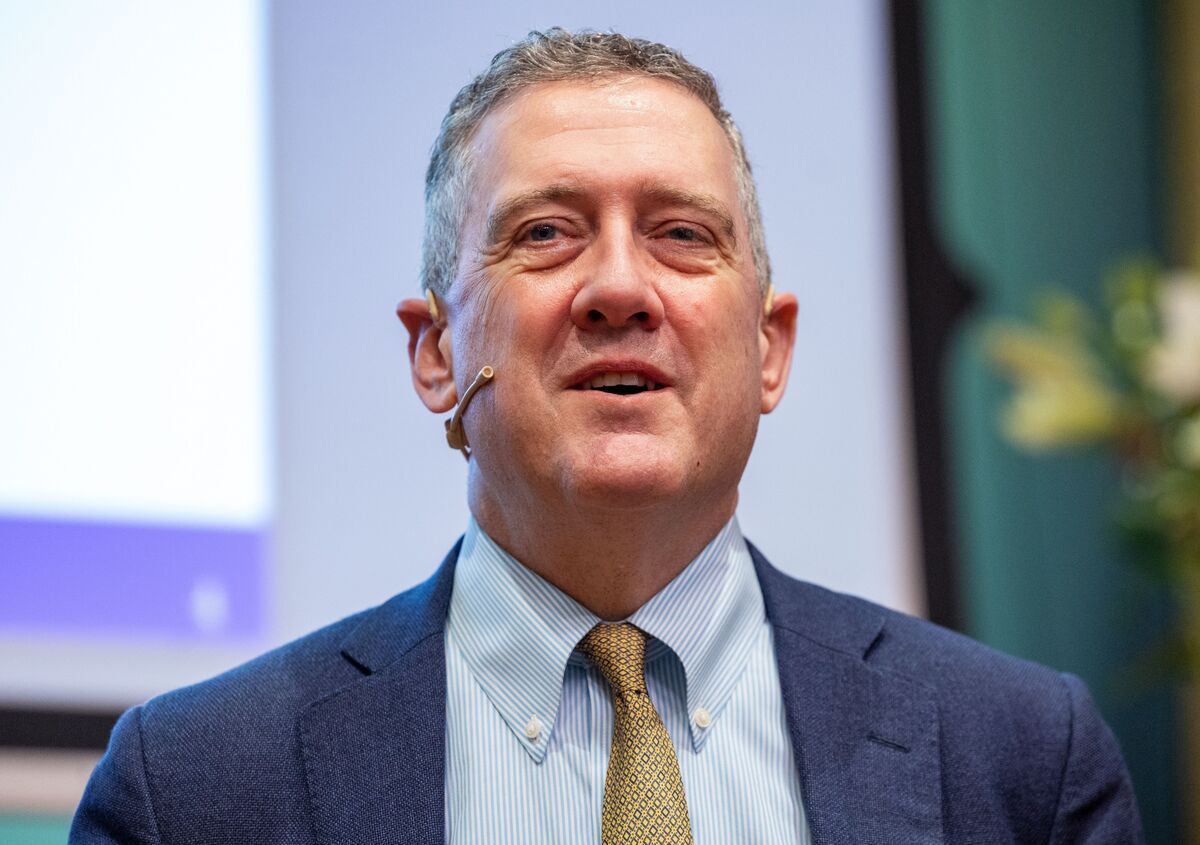
Former Federal Reserve Bank of St. Louis President James Bullard stated he would not have backed a 50 basis point interest-rate cut this week, endorsing the Federal Reserve's recent policy decision. He further projected a sequence of three rate moves through the end of the year, providing insight into potential future monetary policy trajectory from a prominent former official. This suggests a measured approach to easing, with incremental adjustments anticipated.
Former St. Louis Fed President James Bullard, a potential candidate for the next Fed Chair, has endorsed the central bank's recent policy decision, stating he would not have supported a more aggressive 50 basis point interest-rate cut. This stance signals a preference for a measured approach to monetary easing, pushing back against calls for more dramatic, front-loaded action. Critically, Bullard projects a 'sequence of three moves in a row through the end of the year,' which implies a predictable, gradualist path for rate adjustments. His commentary provides a significant data point for market participants, suggesting that a key voice in monetary policy circles favors incremental changes over a more forceful easing cycle, aligning with the cautious tone detected in the communication.
AI-powered research, real-time alerts, and portfolio analytics for institutional investors.
Request DemoOverall Sentiment
neutral
Sentiment Score
0.00
