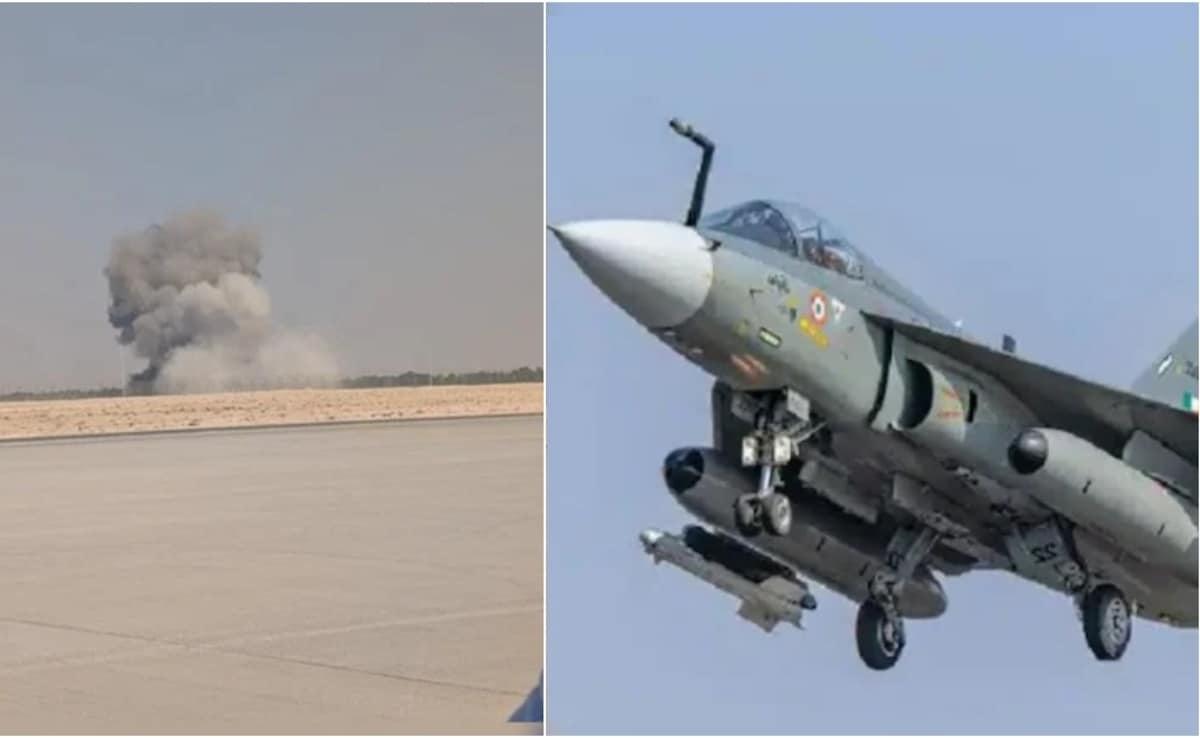
A Tejas fighter from the Indian Air Force crashed during a demonstration at the Dubai Air Show, killing Wing Commander Namansh Syal and prompting the IAF to set up a court of inquiry. Captain Taylor Hiester of the US F-16 demo team publicly criticized organisers for continuing the flying schedule — his team withdrew in respect — an event that may prompt reputational and safety scrutiny of air‑show organisers and display protocols but is unlikely to have material direct market effects.
Market structure: Expect short, targeted winners in training/simulation and defense MRO providers and selective reinsurers; these firms gain pricing power if organizers shift toward simulator-based demonstrations or require upgraded maintenance/avionics. Direct losers are specialist airshow operators and small FBOs whose revenue is concentrated in public displays; expect a 5–15% hit to near‑term event revenues for exposed small caps if cancellations rise by even 1–2 large shows annually.
Risk assessment: Tail risks include regulatory bans or tightened display rules across GCC/India (low-probability but high-impact), litigation/insurance claims pushing premiums up 10–30% at renewal. Immediate window (days) is headline-driven; short-term (30–90 days) centers on inquiry findings and insurance filings; medium-term (3–12 months) is where capex/training procurement decisions move markets. Hidden dependency: insurer/reinsurer pricing cycles and contract renewal dates — a spike in claims before renewals can materially alter P&L.
Trade implications: Favor defense/training suppliers and reinsurers on small, size-constrained allocations and use calendar-limited option structures to express conviction while capping downside. Rotate out of small-cap event/exhibitor equities into XAR/ITA or CAE/LHX; use 3–9 month call spreads to capture a measured upside tied to contract awards and higher training budgets.
Contrarian angles: Market will over-focus on optics; the secular trend is toward simulation and stricter certification (beneficial to large OEMs), not fewer defense budgets. Historical parallels (post‑accident tightening in 1990s) show temporary reputational hits but durable reallocation of spending to safety suppliers. If inquiry clears systemic fault, small-cap event names could rebound quickly — leave optionality via short-dated puts rather than large shorts.
AI-powered research, real-time alerts, and portfolio analytics for institutional investors.
Request DemoOverall Sentiment
neutral
Sentiment Score
0.00
