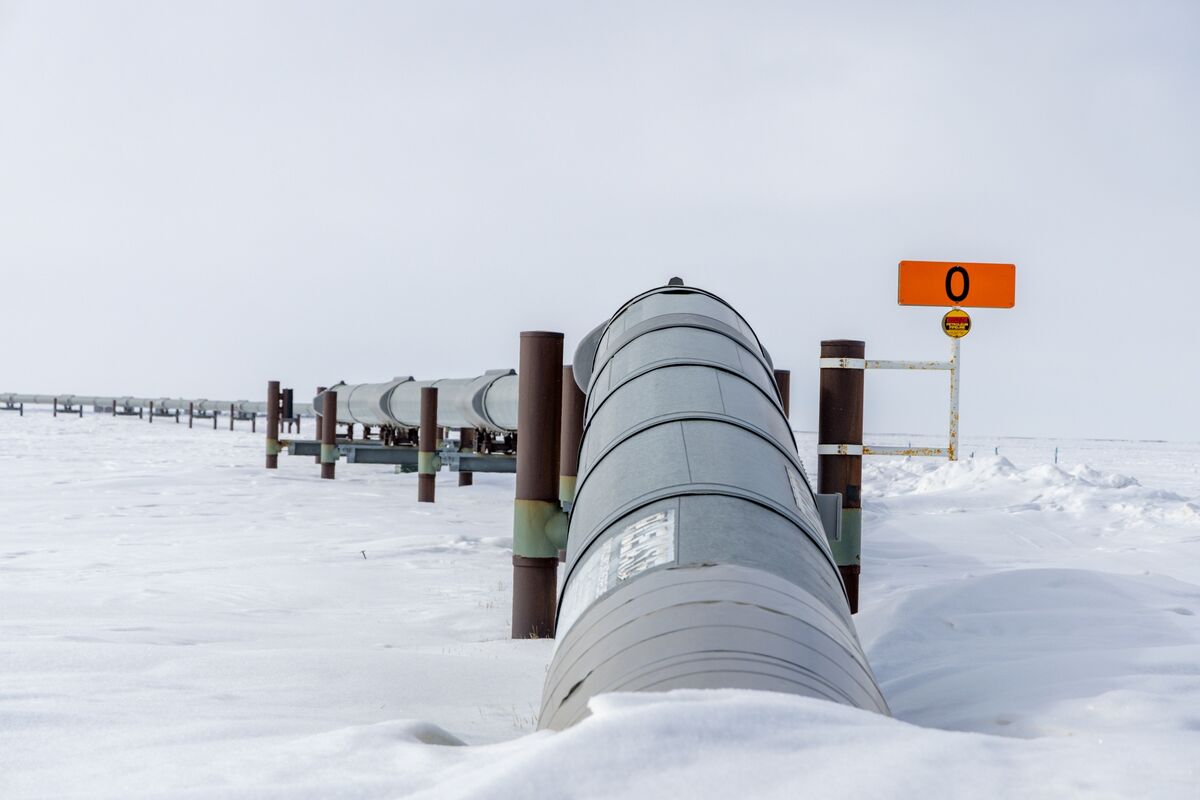
The Trump administration is initiating the repeal of Biden-era restrictions on oil and gas drilling within the National Petroleum Reserve in Alaska, which holds an estimated 8.7 billion barrels of recoverable oil. Interior Secretary Doug Burgum announced the policy shift during a visit to Alaska, signaling a renewed focus on energy development in the region.
The Trump administration is initiating a significant policy reversal by moving to repeal Biden-era restrictions on oil drilling across most of Alaska's National Petroleum Reserve, a region estimated to contain 8.7 billion barrels of recoverable oil. This planned shift, announced by Interior Secretary Doug Burgum during a visit to Alaska, signals a renewed emphasis on promoting domestic energy development. The associated data signals, indicating a 'moderately positive' sentiment, an 'optimistic' tone, and a moderate market impact score of 0.6, suggest that this development is perceived as potentially beneficial for the energy sector and U.S. energy independence, despite the environmental considerations inherent in Arctic drilling. The policy change directly intersects with key themes including Energy Markets & Prices, through its potential to influence future supply; ESG & Climate Policy, due to the environmental sensitivity of the Arctic; and the overarching impact of Elections & Domestic Politics on Regulation & Legislation.
AI-powered research, real-time alerts, and portfolio analytics for institutional investors.
Request DemoOverall Sentiment
moderately positive
Sentiment Score
0.60
