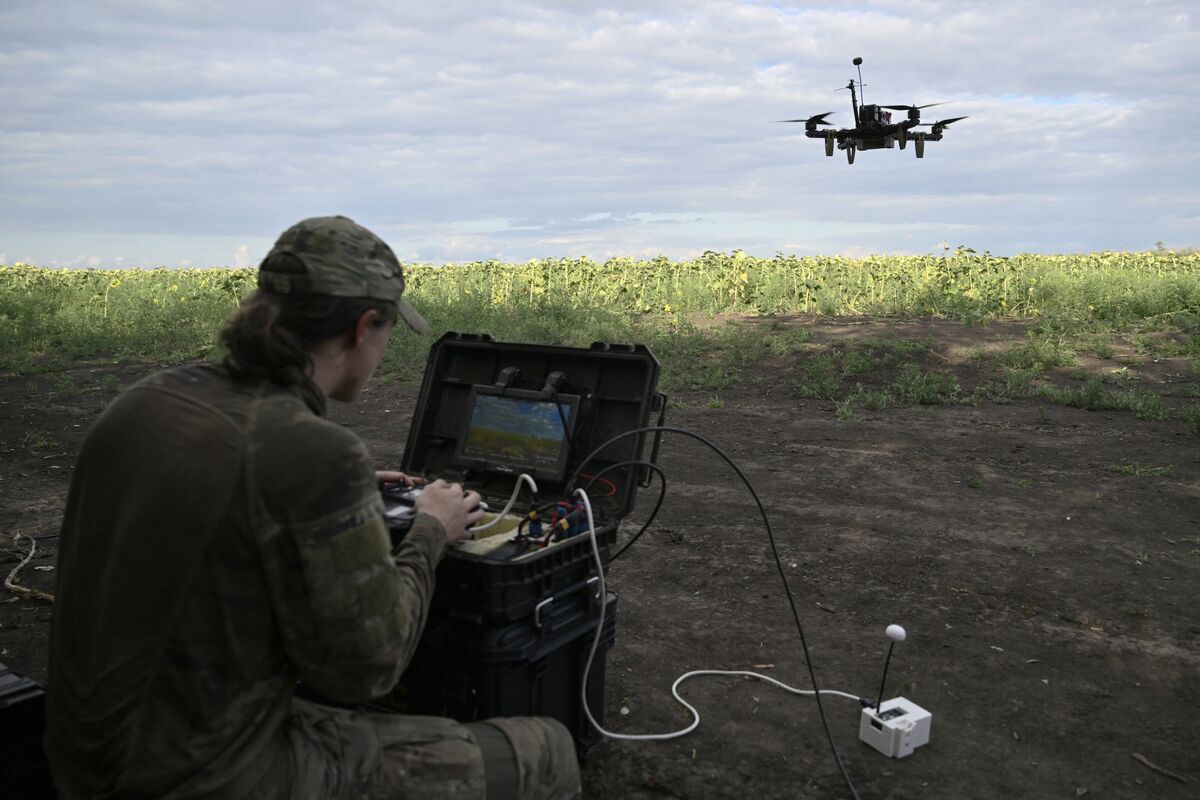
One foreign-flagged bulk carrier was damaged by drone debris in the Azov Sea after fragments from an intercepted drone sparked a fire that has been contained; the vessel was several kilometers off Taganrog. Russia also reported strikes on multiple Ukrainian regions, signaling ongoing military escalation; expect localized disruption to shipping, upward pressure on regional marine insurance costs, and potential short-term impacts on commodity flows from the area.
Near-term market mechanics: expect a discrete rise in war-risk/route-surcharge premia for short coastal dry-bulk voyages in the Black Sea/Azov corridor within 48-72 hours, translating into an immediate 5-15% uplift in spot charter rates for Handymax/Panamax sized fixtures that service regional grain/fertilizer hubs. Even a modest rerouting that adds 1-4 days per round trip increases bunker burn by ~1-4% and reduces annual voyage count by 2-6%, an outcome that amplifies per-voyage revenue sensitivity for smaller owners by double-digit percentages over the next 1-3 months.
Supply-chain secondaries: shippers will preferentially shift volumes to larger transshipment hubs in Turkey and Romania, imposing incremental inland trucking/rail costs and dwell times that can add $10-50/ton and 7-21 days for bulk agricultural flows; that choke point risk is most acute during planting/harvest season and can push regional cash wheat basis 3-7% higher over weeks-to-months. Fertilizer timelines are stickier — even a temporary port disruption can cascade into seasonal application shortfalls that affect crop yields and fertilizer demand dynamics over a 3-6 month horizon.
Risk architecture and beneficiaries: P&I and war-risk insurers are positioned to widen premia quickly, creating positive underwriting margin optionality in coming renewals but also short-term claim exposure; banks with concentrated shipping finance exposure to small coastal owners are the top tail-risk. Defense and surveillance contractors gain asymmetric optionality if incidents cluster (6-18 months), whereas global integrators and logistics providers with diversified routes will see margin pressure but have pricing power to pass through part of increased transport costs.
Contrarian read: the market often overshoots on headline incidents — systemic disruption requires sustained interdiction or sanctions that remove alternative export corridors. If the next 2-4 weeks show no escalation, expect a partial reversal in freight-risk premia and a re-rating of short-duration plays; conversely, a pattern of repeated incidents would crystallize a structural reroute that’s underpriced by many short-term focused players.
AI-powered research, real-time alerts, and portfolio analytics for institutional investors.
Request DemoOverall Sentiment
moderately negative
Sentiment Score
-0.35
