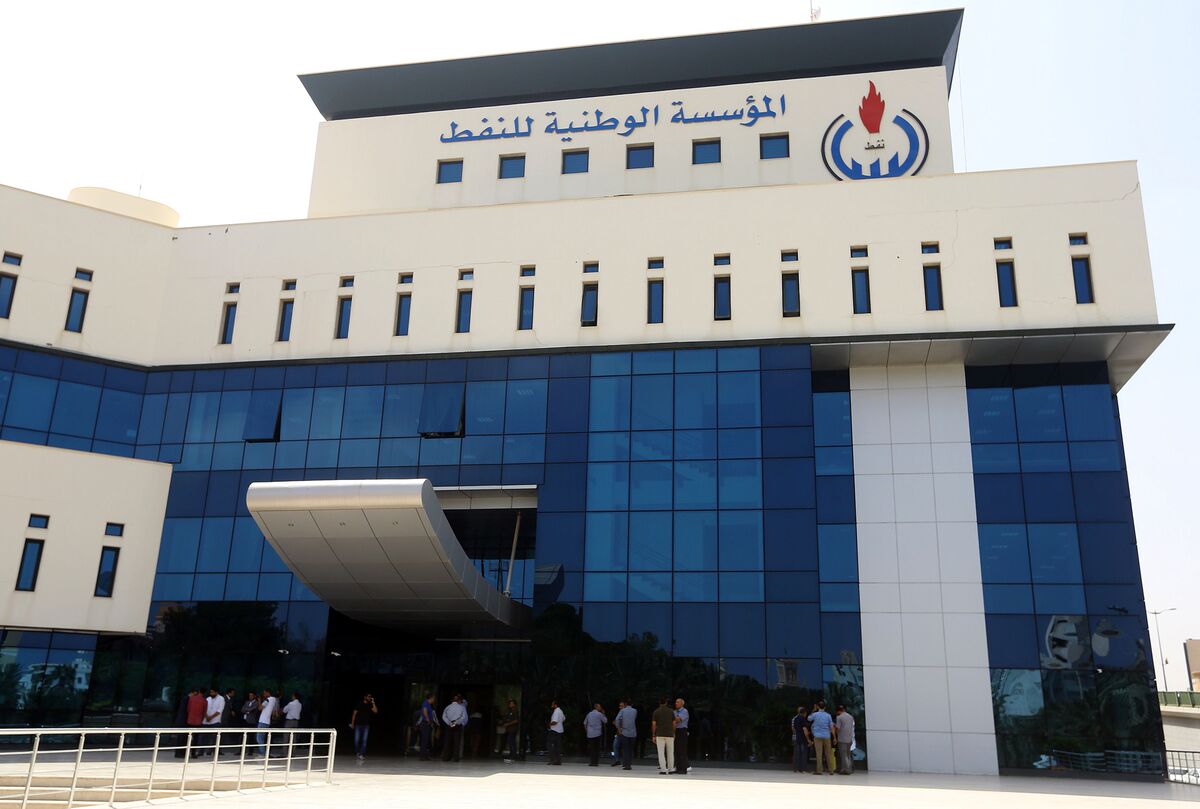
Libya's National Oil Corp. has accumulated $1 billion in debt to fuel suppliers following the termination of an oil barter program three months ago. The debt is projected to triple by year-end if left unaddressed, potentially jeopardizing the supply of essential fuels like gasoline amidst ongoing political instability.
Libya's state-owned National Oil Corp. (NOC) has accumulated approximately $1 billion in arrears to its fuel suppliers, a situation that developed following the termination of an oil barter program about three months ago. Projections indicate these dues could triple by the end of the year if the NOC does not commence payments, which critically threatens the availability of essential refined products like gasoline within the country. This financial instability is exacerbated by Libya's ongoing political unrest, heightening the risk of significant fuel supply disruptions. The reported negative sentiment and pessimistic tone surrounding this development underscore the precariousness of the NOC's financial position and its potential to impact energy supply chains and create further instability in an emerging market context.
AI-powered research, real-time alerts, and portfolio analytics for institutional investors.
Request DemoOverall Sentiment
Negative
Sentiment Score
-0.60
